
There’s an island in the mediterranean where myths aren’t just old stories they’re part of the land itself. You can feel the echoes of ancient civilizations in the ruins of grand palaces, and catch the scent of wild herbs on the warm breeze, telling tales that go back thousands of years. This is Crete, Greece’s biggest and most diverse island. It’s not just a place to take a holiday it’s a destination that offers a real experience. More than just a place with sunny beaches, Crete is like a small continent. It has tall mountain ranges, green plateaus hidden in the clouds, and busy cities where old history meets modern life. This guide is your way to discover everything this island has to offer.
What makes Crete special?
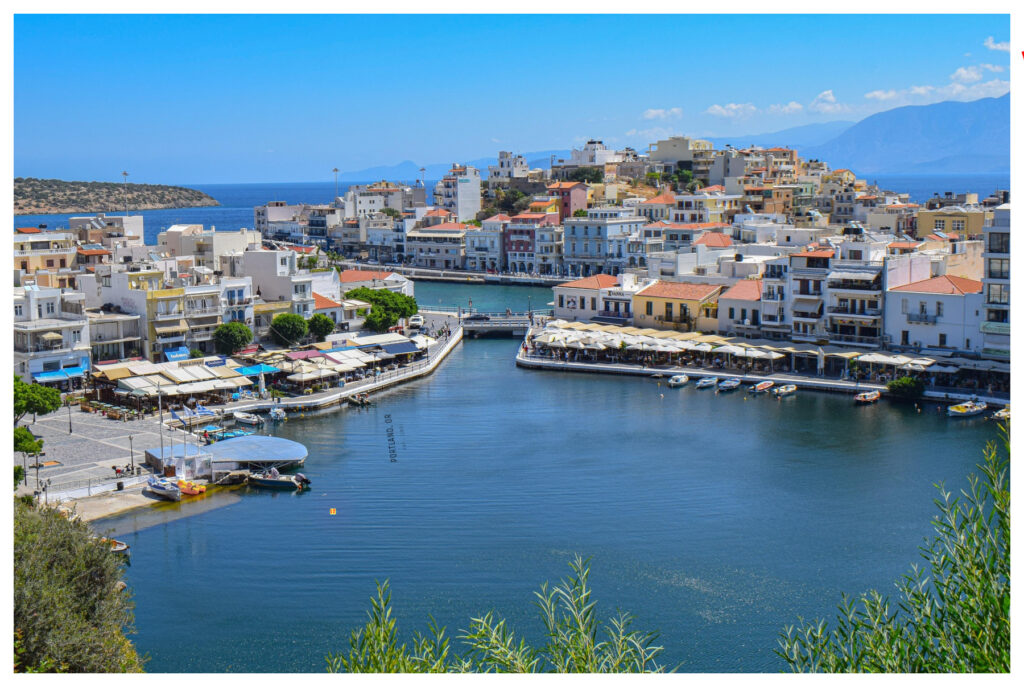
It’s because of the variety. You can start your day hiking through Europe’s longest gorge, then spend your afternoon exploring a palace from 4,000 years ago, and end the day with a glass of local wine while watching the sunset over a venetian harbor. Crete has something for everyone history lovers, adventure seekers, foodies, and beachgoers alike. There’s a piece of Crete for every person.
Walking through Myths: The must see historical treasures
To understand Crete, you have to understand its deep history. This was the center of the Minoan civilization, Europe’s first advanced society.
The palace of Knossos:
Just south of the capital, Heraklion, is the Palace of Knossos. Stepping inside this complex is like stepping into the legend of the Minotaur. Although the buildings built by Sir Arthur Evans are sometimes questioned, they help bring the site to life, letting you imagine the grandeur of the Minoan rulers. The bright frescoes, the royal quarters, and the large central court are unforgettable. Tip: Visit early in the morning or later in the afternoon to avoid the crowds and the heat. Hiring a guide can really help you understand what you’re seeing.
The archaeological museum of Heraklion:
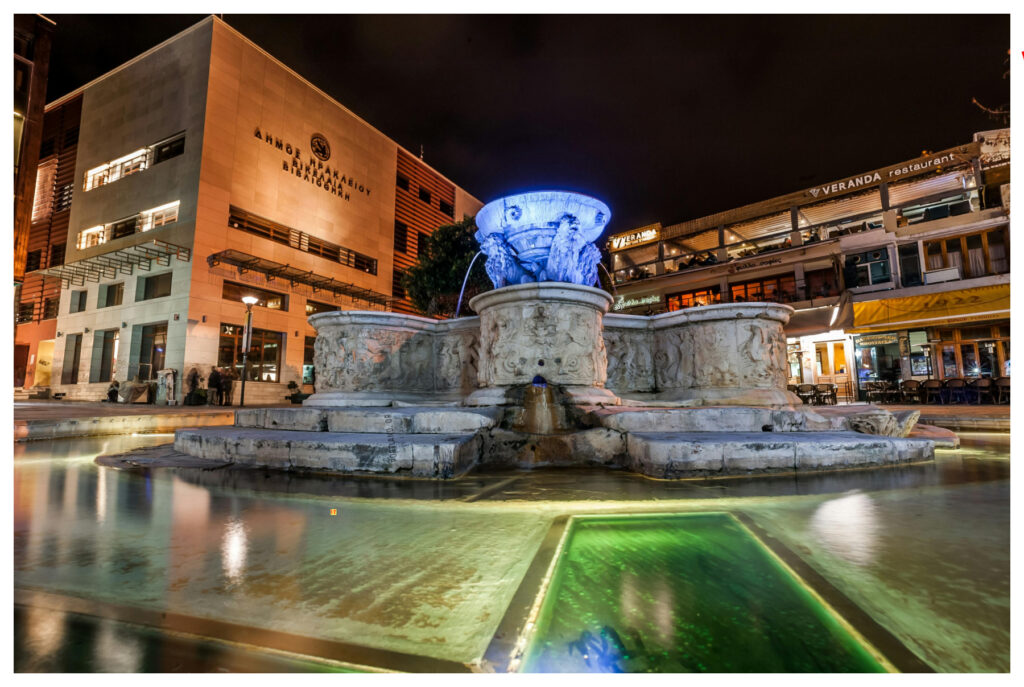
This museum is a must visit with your visit to Knossos. It holds the most important collection of Minoan artifacts in the world. You’ll see famous items like the Snake Goddess figurines, the intricate Bull Leaping Fresco, and the mysterious Phaistos Disc. These objects are displayed beautifully, telling the story of a smart and strong culture.
Beyond knossos:
Crete’s history doesn’t stop with the Minoans. Explore the well preserved Roman city of Gortyna, the strong Venetian fortresses in Rethymno and Chania, and the lovely old towns that show centuries of architectural styles.
Heaven on earth: Crete’s famous beaches
Crete’s coast is full of dreamy beauty, with beaches for every mood.
Balos Lagoon:
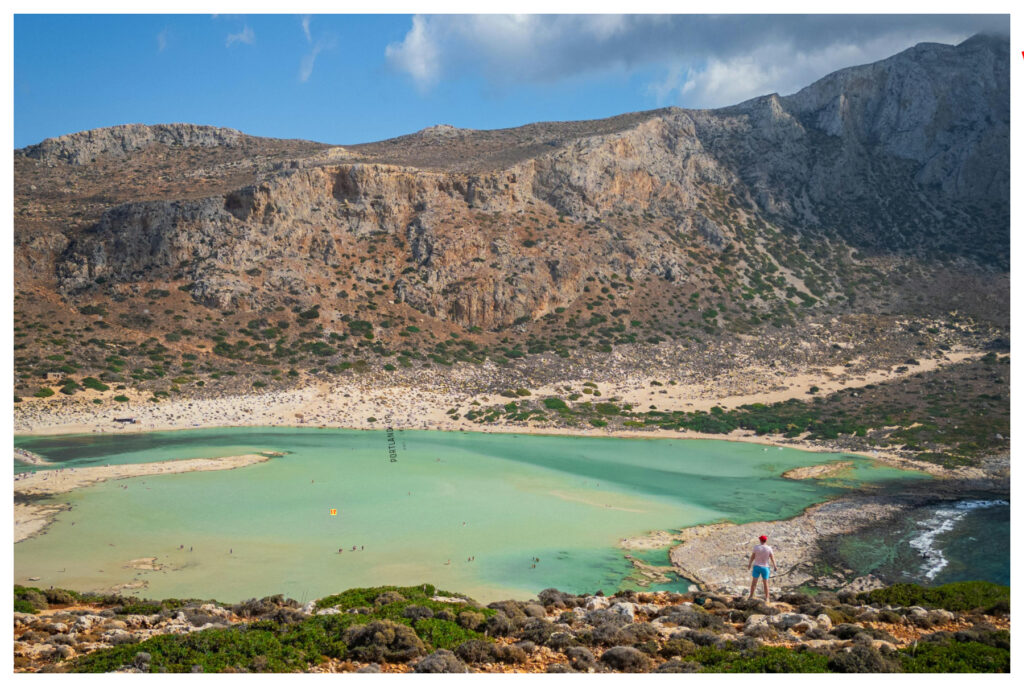
Known as the symbol of cretan beauty, Balos is a stunning mix of turquoise, aquamarine, and deep blue waters. The lagoon is shallow and warm, perfect for walking in. You can reach it by taking a long drive down a dirt road (4×4 recommended) followed by a short walk, or by boat from Kissamos. The view from the top of the path is something you’ll remember forever.
Elafonissi beach:
Famous for its pink sand made from crushed seashells, Elafonissi is a protected nature area. The water is clear and very shallow, allowing you to walk all the way to the small island of Elafonissi. It’s great for families, but it can get crowded, so arriving early is a good idea.
Preveli beach:
This beach is special because a river meets the sea. Preveli has a grove of palm trees along the riverbank leading to a beautiful cove. It feels like a tropical paradise. You can swim in the fresh water of the river or the salt water of the Libyan Sea. Note that you have to walk a lot of steps to get there and back.
Secluded coves:
If you want to escape the crowds, rent a car and explore the south coast. Beaches like Triopetra, Ligres, and Sweetwater Beach offer beautiful, natural beauty and a peaceful experience.
An adventure for the soul: Mountains and gorges
If you can leave the coast behind, Crete’s interior has some of the most exciting adventures in Greece.
Samaria gorge:
Many visitors consider this a must do. This 16 kilometer trek through a UNESCO Biosphere Reserve is tough but very rewarding. The tall cliffs, the many plants and animals, and the famous “Iron Gates” where the gorge is just four meters wide are amazing. The hike ends in the village of Agia Roumeli, where a swim in the sea is the perfect reward. Important: Wear strong shoes, take plenty of water, and check if the gorge is open. It closes in winter because of flood risks.
The white mountains (Lefka Ori):
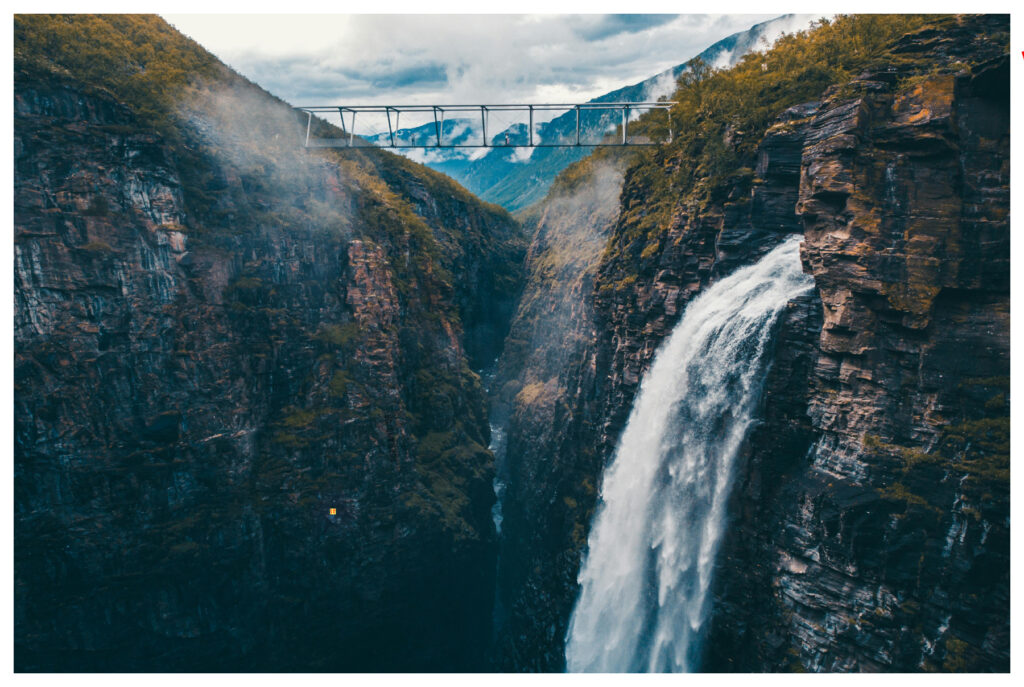
For serious hikers, the White Mountains offer tough peaks and remote plateaus. A visit to the Omalos Plateau or a climb up Mt. Gingilos will show you a wild, untouched side of Crete.
The lassithi plateau:
This is a different kind of highland area, known for its thousands of white sailed windmills (though fewer remain today). Visit the Dikteon Cave, which is said in mythology to be the birthplace of Zeus. The drive up to the plateau is an adventure in itself with amazing views.
A feast for the senses: The cretan diet
Cretan cuisine is a big reason to visit. It’s celebrated as the root of the Mediterranean diet, based on fresh, local, and seasonal ingredients.
Dakos:
A simple yet amazing starter made from barley rusk, topped with grated tomato, creamy myzithra cheese, and a drizzle of great local olive oil.
Gamopilafo:
This is the best dish for weddings. It’s a rich, creamy rice dish cooked in lamb broth, similar to risotto.
Chochlioi boumpouristi:
A special treat for those who like a bit of adventure snails cooked with flour and rosemary.
Fresh fish and seafood:
Especially along the south coast, the day’s catch is grilled to perfection.
Local cheeses:
Try graviera (a hard, sweet cheese), myzithra (fresh or dried), and anthotyros.
Raki:
This clear, strong spirit is a sign of kindness and is served everywhere. It’s perfect to drink after a big meal.
- Eat where the locals eat. Look for small, family run tavernas in villages, not just by the water.
Planning your cretan adventure: Practical tips
Getting around:
Renting a car is highly recommended. Public buses connect major cities, but to truly explore Crete’s hidden places, a car gives you freedom. The roads are generally good, but mountain roads can be twisty.
Where to stay:
- Chania:
For the most beautiful Venetian harbor, a lively old town, and easy access to beaches like Balos and Elafonissi.
- Heraklion:
For history lovers wanting to be near Knossos and the archaeological museum. It’s a busy, active city.
- Rethymno:
A charming place with a lovely old town and a long sandy beach.
- Agios nikolaos:
A stylish harbor town in the east, close to the trendy Elounda area and Spinalonga Island.
Best time to visit:
May to June and September to October:
The best times. The weather is perfect for sightseeing and hiking, the sea is warm, and there are fewer crowds.
July to August:
The busiest time. It’s hot, crowded, and prices are high. Ideal for a beach holiday if you don’t mind the crowds.
- Crete is not a place you just visit. It’s a place you feel. It’s the warmth of the sun on an ancient stone wall, the taste of olive oil from a thousand year-old tree, and the genuine smile of a local sharing a glass of raki. It’s an island that gets under your skin and calls you back, again and again. Start planning your trip to this wonderful island your own story is waiting to be written.
2 Responses