
Forget everything you thought you knew about Greek travel spots. While the world rushes to the picture-perfect islands and the ancient ruins of Athens, there’s a city in the north that has its own special, real feel. This city is Thessaloniki, the second biggest city in Greece, a place where history is not just in museums—it’s in the streets, the smells of the food, and the friendly vibe of the people. Thessaloniki sits on the Thermaic Gulf, and locals often call it Salonica. It’s a place with layers of history—Byzantine, Ottoman, and modern. The city is full of young students, which gives it a lively, fresh energy. If you’re looking for a place with top history, amazing food, and seaside beauty without too many tourists, this is the spot.
A walk through time: The top historical sites
Thessaloniki’s history is its main attraction. A walk through the city is like walking through different empires.
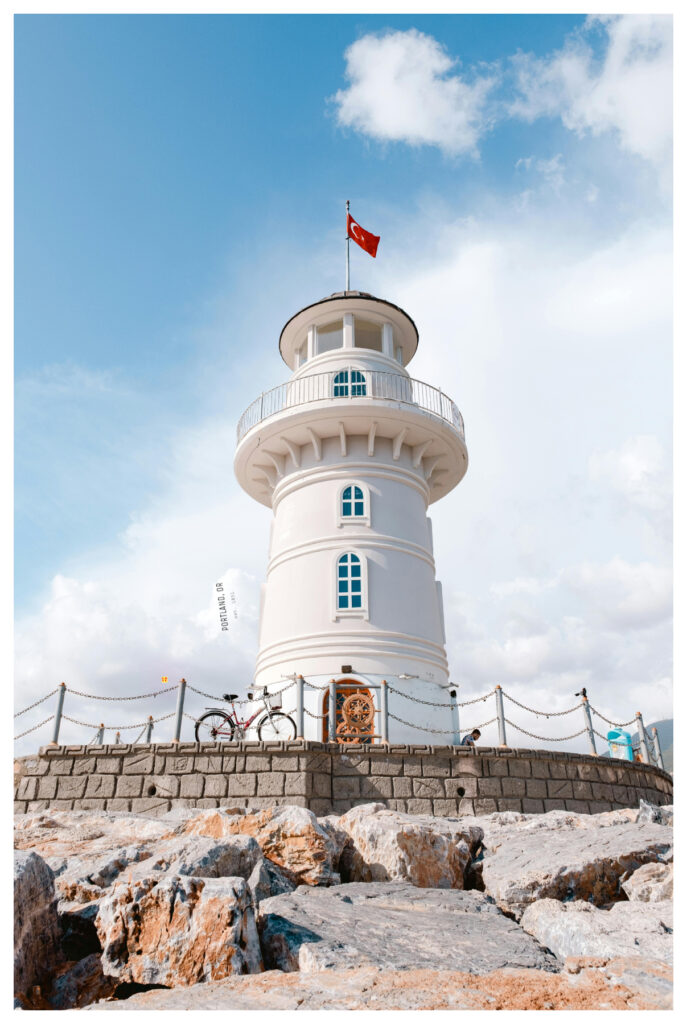
The white tower:
This is the city’s main symbol. It’s a tall, round tower on the waterfront that has been used as a fortress and a jail. Today, it’s a museum with great views of the city and the gulf from the top. It’s a must-see when you visit.
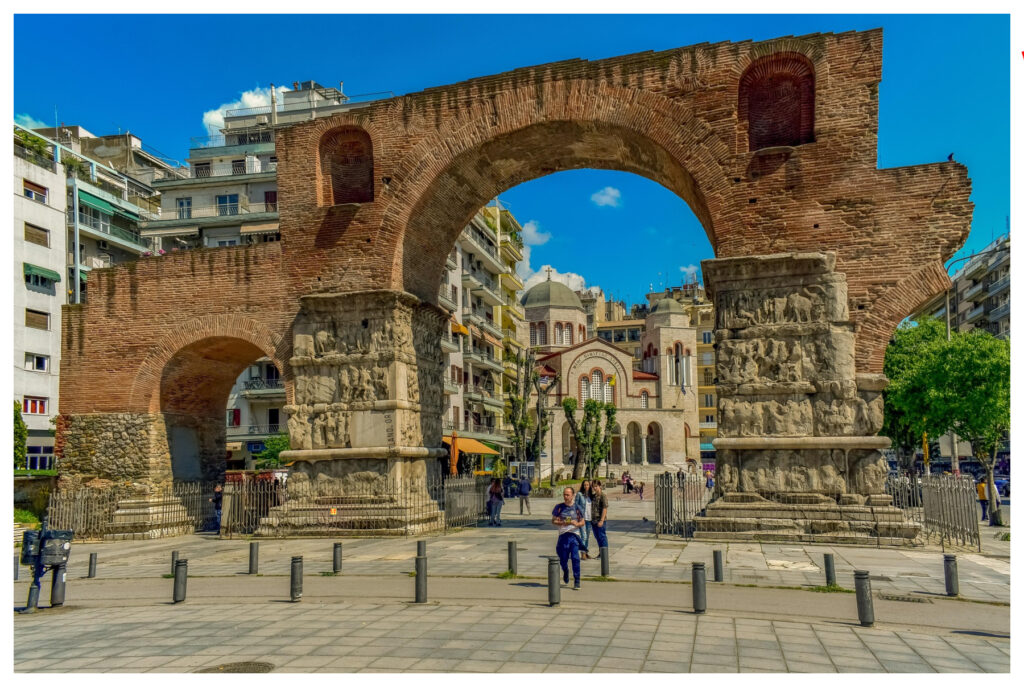
The Rotunda & The arch of galerius:
Just a short walk from the White Tower, you’ll find these amazing ancient buildings. The Rotunda was built as a resting place for Roman Emperor Galerius in 306 AD and is one of the oldest Roman buildings still standing. Next to it is the Arch of Galerius, a huge monument with detailed stone carvings of battles. Standing near them is a powerful experience.
The Byzantine walls (Kastra) & The old town (Ano Poli):
If you want to escape the city’s busy streets, head uphill to the Old Town, or Ano Poli. This part of the city survived a big fire in 1917 and feels like a different village. The streets are cobblestone, the houses are colorful with balconies, and there are hidden courtyards with blooming bougainvillea. As the sun sets, walk up to the Byzantine Walls for an amazing view of the whole city and the gulf. It’s one of the best views in Greece.
The archaeological museum:
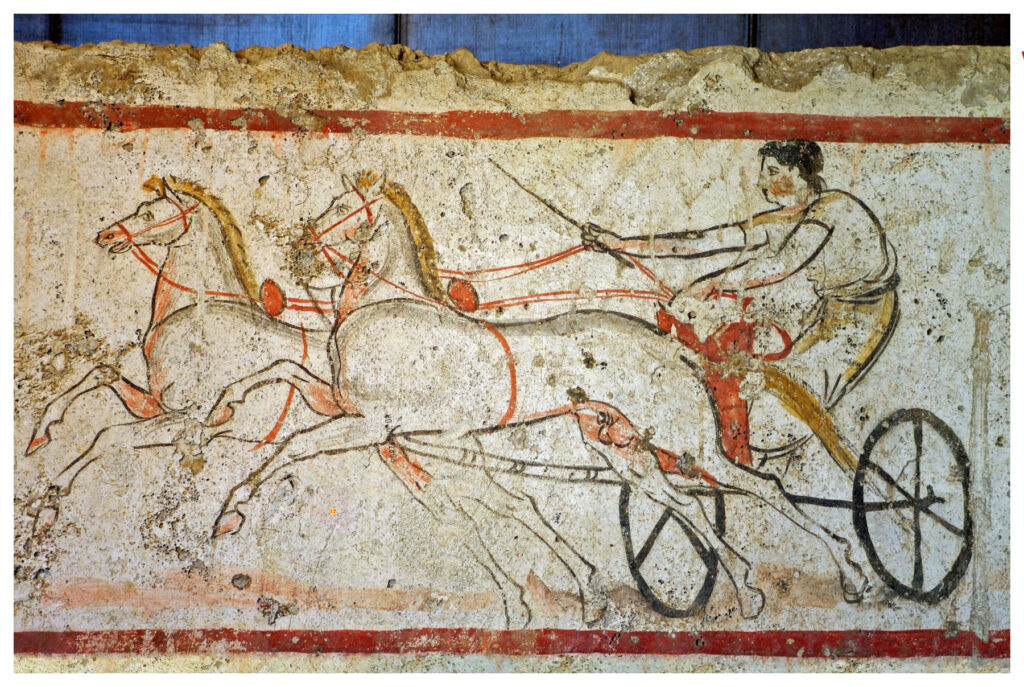
History lovers should not miss this museum. It has a huge collection of artifacts from ancient times to late antiquity, especially showcasing the peak of ancient Macedonian culture. One of its highlights is the Derveni Crater, a beautiful bronze container that’s a must-see.
The heartbeat of the city: Markets, food, and coffee culture
Thessaloniki is often called Greece’s food capital, and it’s easy to see why. This is a city that really enjoys eating and drinking.
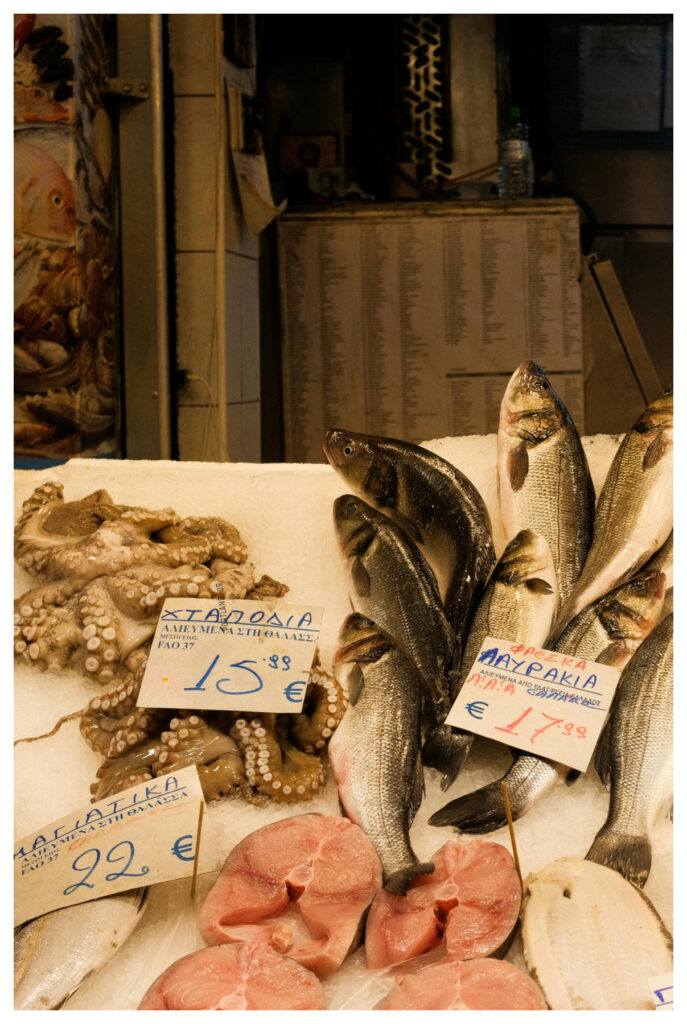
Modiano & Kapani markets:
These two markets are in the same area and offer a lot of sensory experiences. Butchers shout, fishmongers show fresh catches, and vendors sell olives, spices, and cheeses. It’s not just a place to shop—it’s a real part of the city’s soul. Stop by a mezedopoleio inside for a quick glass of ouzo and some octopus.
The unbeatable food scene:
You haven’t truly experienced Thessaloniki unless you’ve tried its street food and meze culture.
- Bougatsa:
This is flaky phyllo pastry filled with either sweet custard or salty meat. Try the sweet version with a dusting of icing sugar and cinnamon for breakfast.
- Koulouri:
This is a sesame-topped bread ring sold by street vendors. It’s perfect for a quick snack on the go
- Meze dining:
In Thessaloniki, you don’t order a single main course. Instead, you get a series of small shared plates. Think grilled sardines, fried cheese (saganaki), spicy cheese spread (tyrokafteri), and meatballs (keftedes). Pair it with a local wine or tsipouro.
The endless coffee culture:
Thessaloniki is all about coffee. The waterfront (Nea Paralia) has many cafes that are always busy. Whether you like a classic Greek coffee, a frappé, or a modern filter brew, sitting in a café and watching the world go by is a favorite local activity. Join them.
Beyond the city center: Day trips and beaches
While the city is amazing, the surrounding areas have even more to offer.
Halkidiki peninsula:
Just a short drive away, this famous peninsula has three “fingers” that are all beautiful. Kassandra is known for nightlife and resorts, Sithonia for its clean, pine-lined beaches and clear waters, and Mount Athos (Agion Oros) for its amazing, monastic community (men need a special permit to visit).
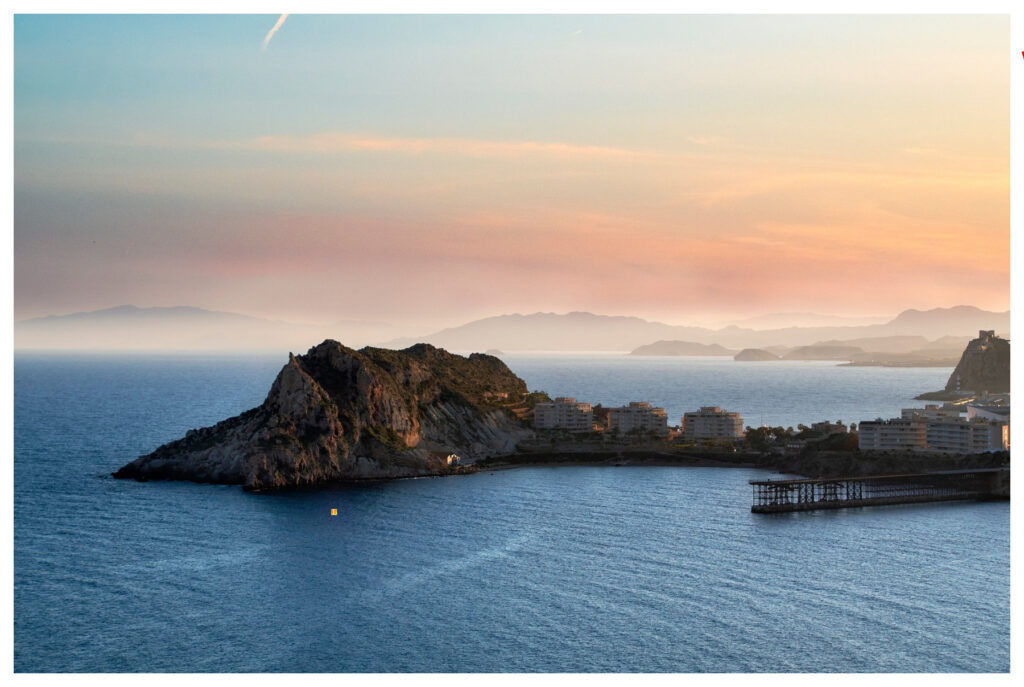
The waterfront promenade:
This long, recently renovated walkway is the city’s favorite spot. It’s perfect for a walk, a bike ride, or a run. You’ll pass gardens, sculptures, and plenty of cafes with the sea right by your side.
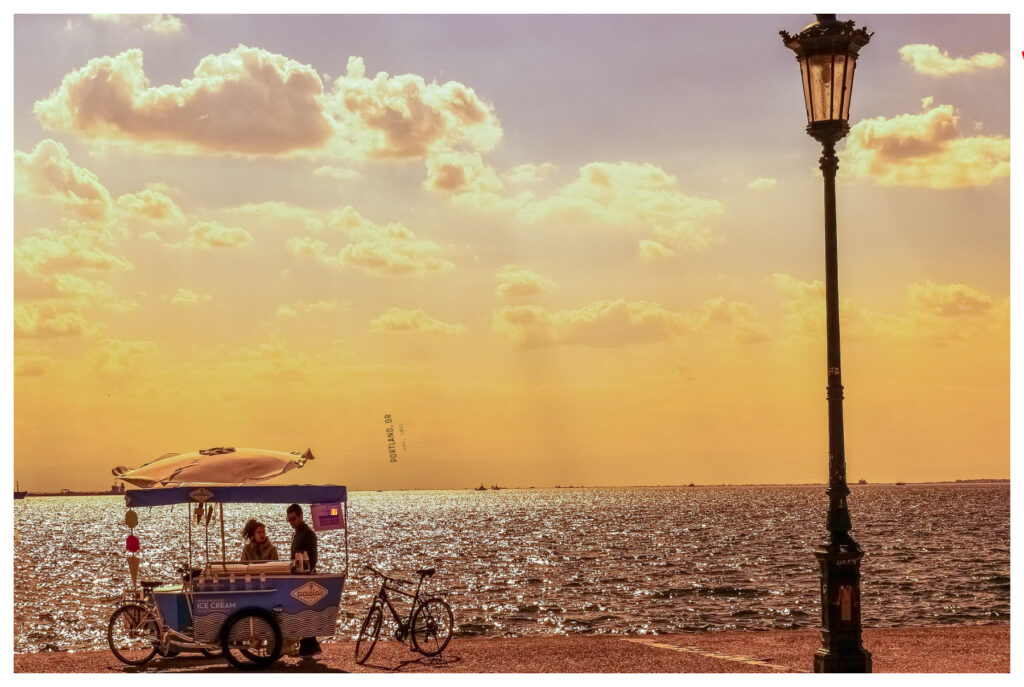
Nearby beaches:
If you want a quick beach fix without going all the way to Halkidiki, head to the suburbs of Perea or Agia Triada. These places have organized beaches with sunbeds and beach bars, all easy to reach by public bus.
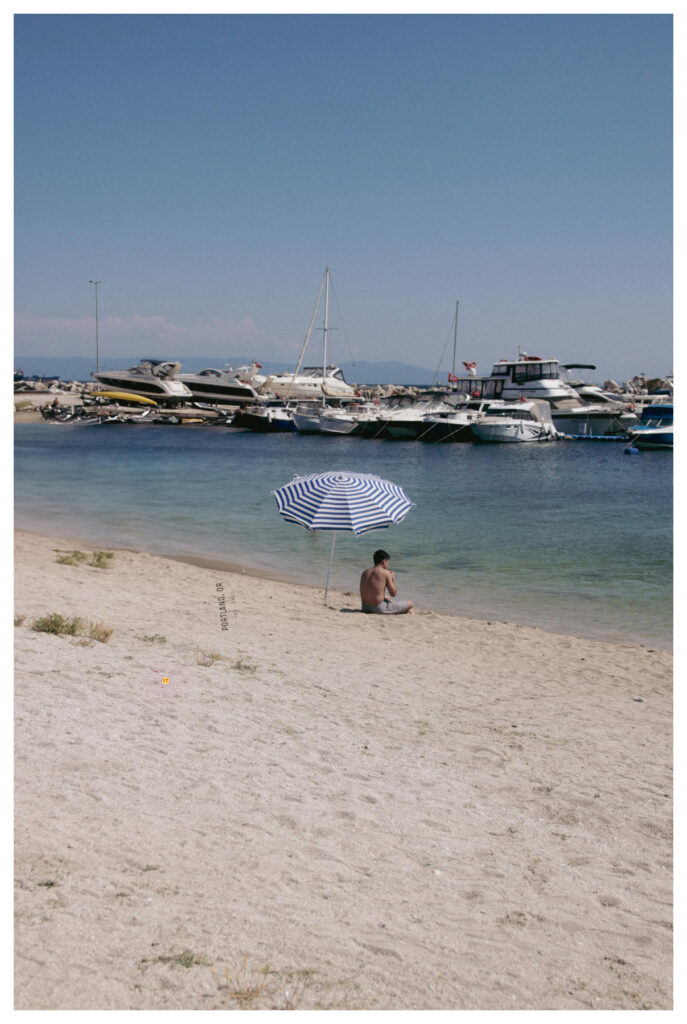
Essential tips for your trip
Getting around:
The city center is very walkable. For longer distances, the public buses are efficient and affordable. A taxi ride around the city center is also quite cheap.
When to go:
Spring (April-June) and Autumn (September-October) are best. The weather is perfect for exploring, and the city isn’t too crowded. Summer is hot but lively.
Where to stay:
For first-time visitors, staying near Aristotelous Square, the main pedestrian street (Tsimiski), or the Ladadika district (a former oil press area now with lots of taverns and bars) will put you in the heart of the action.
How long to stay:
You can cover the main sights in 2-3 days, but if you want to really experience the city.
The unforgettable feeling of Thessaloniki
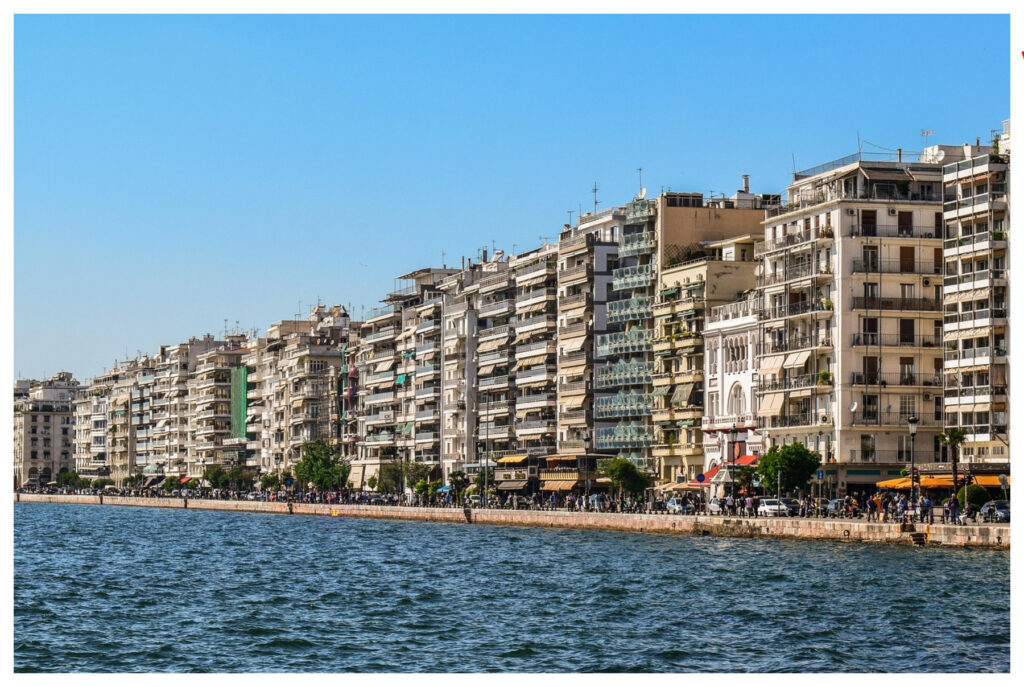
Thessaloniki doesn’t just show you its history; it lets you feel it. It’s in the warm smiles of the people, the laughter shared in a busy ouzeri, the golden sunlight reflecting off the White Tower, and the delicious taste of a perfectly made bougatsa. It’s a city that welcomes you to experience it, not just watch it. It’s bold, rich in layers, and endlessly intriguing. So, come for the history, stay for the food, and leave with a piece of its heart. You’ll soon see why those who discover it often say it’s their favorite city in all of Greece.e a day trip, 4 days is ideal.
One Response