
If you’ve ever pictured a Greek island that has everything—long beaches with clear, sparkling water, a lively main town with a famous landmark, quiet mountain villages, and food that really surprises you—then you’ve probably imagined Naxos. Naxos is bigger, greener, and more fertile than most of its neighbors. It’s the hidden gem of the Cyclades. While many tourists head to the white-washed beauty of Santorini or the party vibes of Mykonos, the real travelers choose Naxos as their base. They find an island that feels more real, more varied, and deeply connected to its rich past and natural resources. This isn’t just a list of places to see; it’s a guide on how to truly experience Naxos like a traveler, not just a visitor.Let’s take a closer look at what makes this island so special.
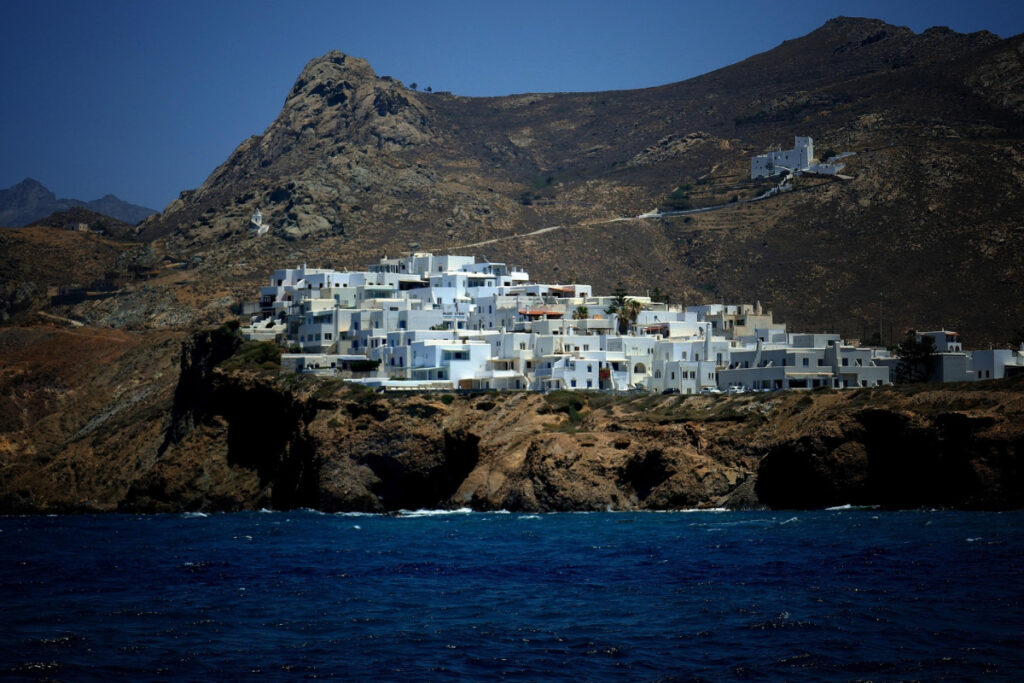
First, let’s get some sense of where everything is.
Understanding Naxos’s geography is important when planning your trip. The island is quite large.
Naxos Chora (Main town):
This is where your ferry arrives. It’s a mix of the busy waterfront, the magical old town, and the famous Venetian Castle. It’s the main place for restaurants, shops, and nightlife.
The west coast:
South of Chora lies the island’s famous beach area, home to places like Agios Prokopios, Plaka, and Agia Anna. This is where you’ll find the most organized hotels and easy beach access.
The tragaea valley & mountains (Inland):
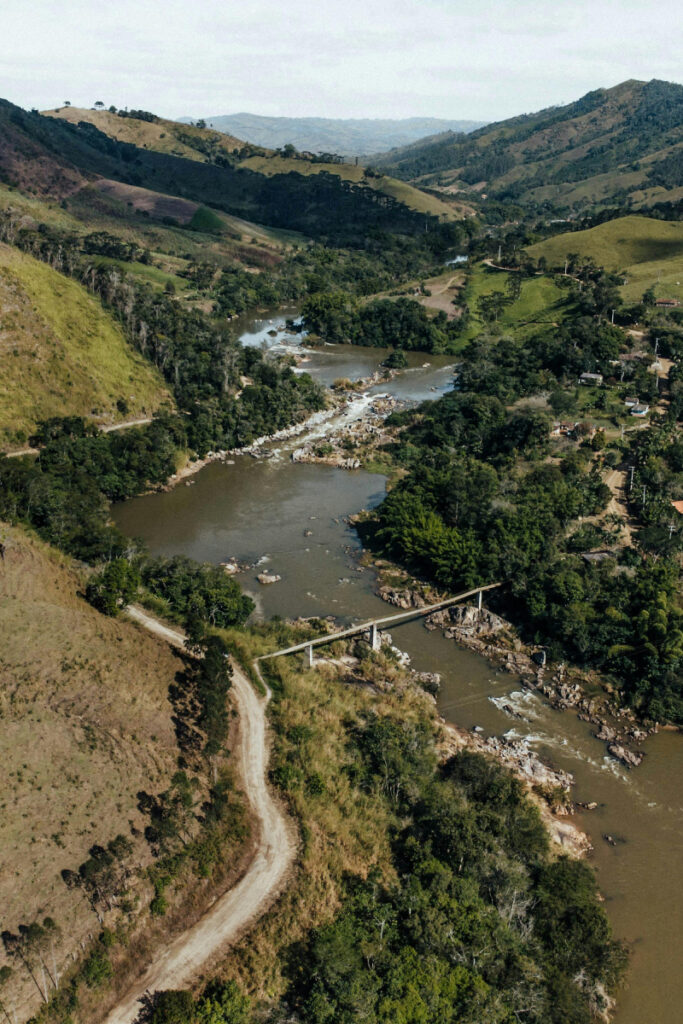
This is the lush, fertile heart of the island. There are beautiful villages like Halki and Apeiranthos. This is where you’ll find ancient ruins, local distilleries, and stunning landscapes.
The south & east coasts:
These areas are more rugged and remote. They offer wild beauty, famous spots for windsurfing like Mikri Vigla, and hidden coves.
The Must-See sights & experiences
Your time in Naxos will include ancient history, beach time, and exploring villages.
1.The iconic portara & sunset
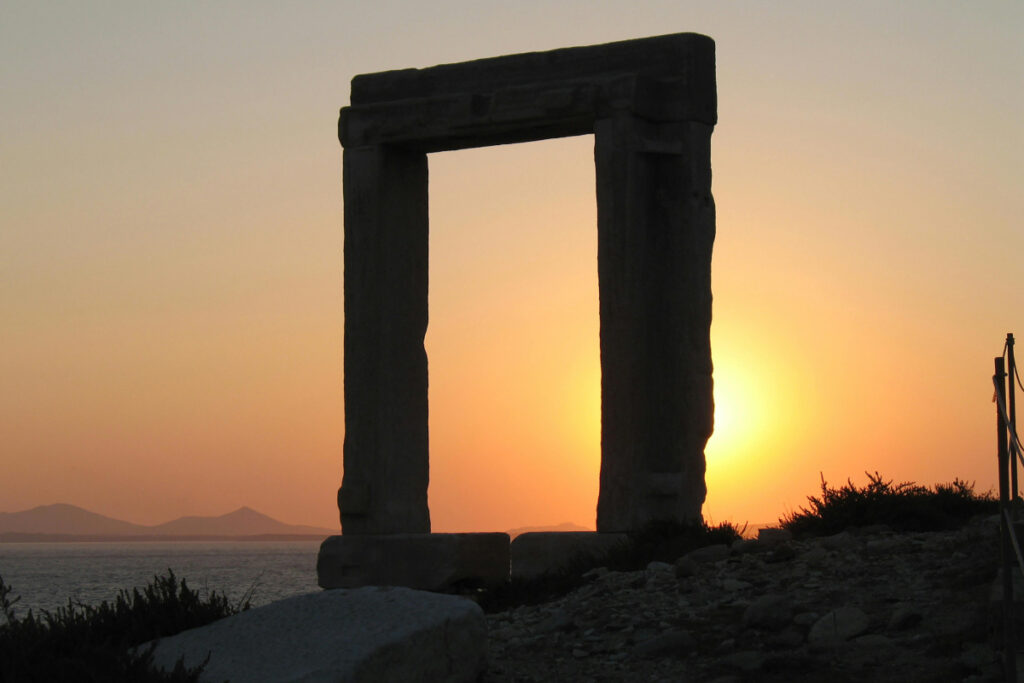
Your journey begins the moment you get off the ferry. The massive marble gateway of the Portara, the entrance to an unfinished 6th-century BC temple to Apollo, stands on the islet of Palatia. A short walk from the town gives you great views, but it’s at sunset that this place becomes magical. Join the crowd (it’s worth it) and watch the sun dip below the sea, framed by this ancient monument. It’s a moment that perfectly captures the Greek island experience.
2.Get lost in Naxos old town & The Kastro
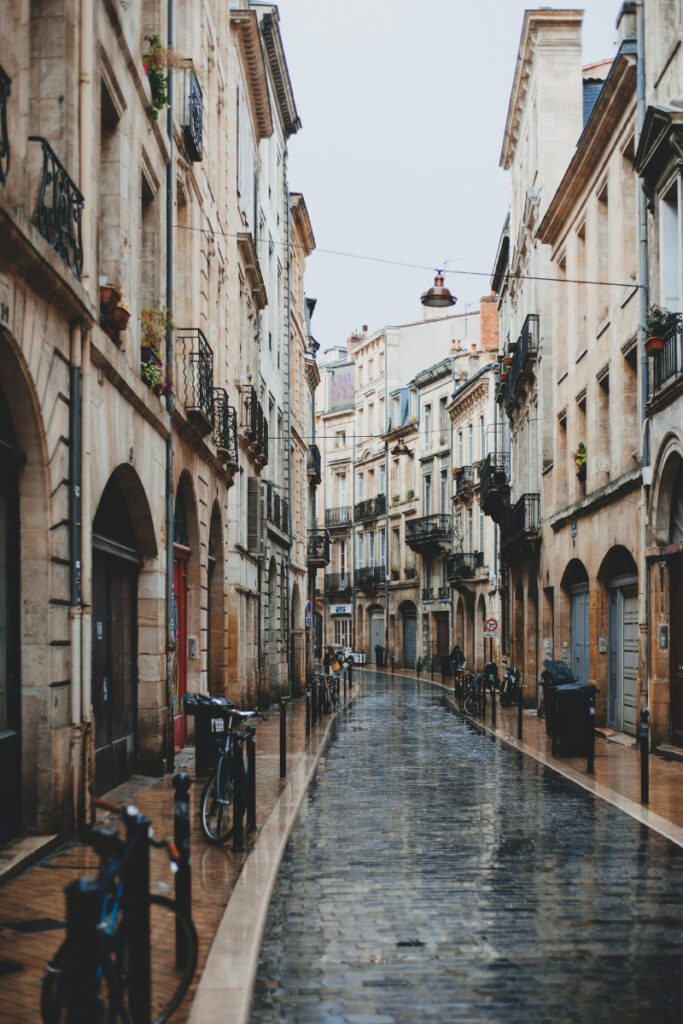
Don’t just walk along the main shopping street. Take a chance and wander around. The Old Town is a maze of white buildings, stone arches, and narrow alleys. It leads uphill to the Venetian Kastro (Castle), a 13th-century fortress still used as a neighborhood. You’ll find Catholic churches hidden in courtyards, shops selling handmade leather sandals, and sudden, breathtaking views of the sea between buildings. The Naxos Archaeological Museum inside the castle is a must-visit to learn more about the island’s rich history.
3.Beach bliss: From world famous to secluded coves
Naxos is a beach lover’s dream, with options for every kind of visitor.
Agios prokopios:
Often on lists of Europe’s best beaches, this long, golden sand beach has very shallow, turquoise water perfect for families. It’s well-equipped with sunbeds and tavernas but never feels too crowded.

Plaka beach:
If you’re looking for long stretches of soft, white sand, Plaka is your choice. It’s wide, so you can pick a spot near a beach bar or find your own private area further down. The water is a stunning, clear blue.
Mikri vigla:
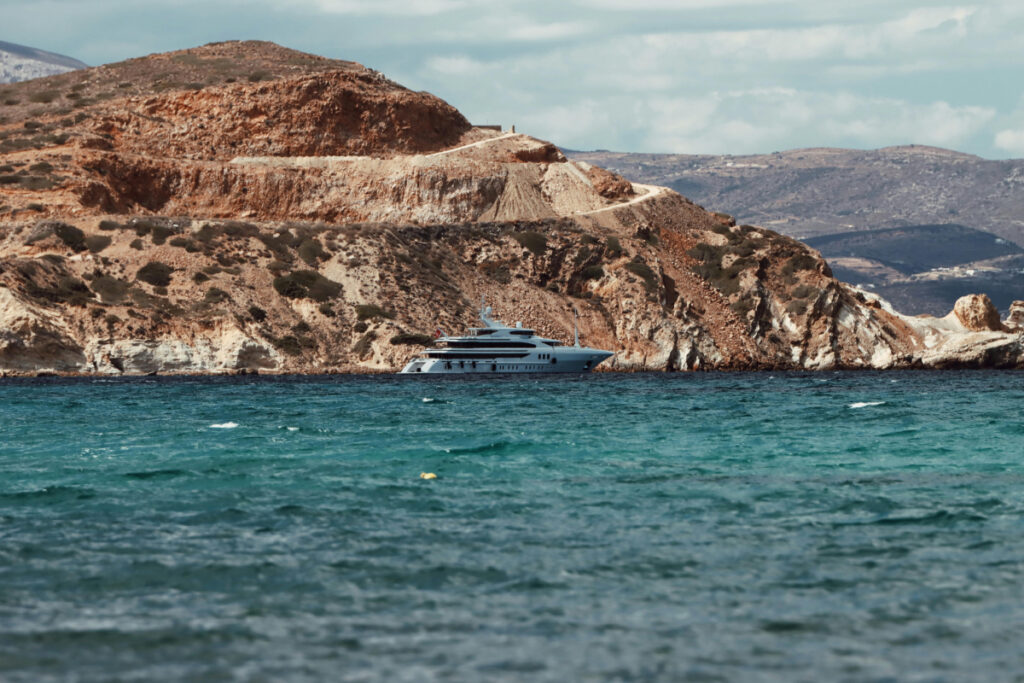
A popular spot for windsurfers and kitesurfers, this area is divided into two bays—one calm, one windy—so it’s perfect for all skill levels. The dramatic landscape of a rocky headland and sand dunes is unique.
Alyko beach:
For something different, head to Alyko in the southwest. Here, you’ll find a beautiful sandy coastline backed by a natural cedar forest, creating a unique and fragrant atmosphere.

4.The inland villages: The true soul of Naxos
Skipping the villages means missing out on the real Naxos. Rent a car or an ATV for at least one day and head up into the hills.
Halki:
This pretty former capital of the island is a great first stop. Walk around the main square, look at the neoclassical buildings, and don’t miss the Vallindras Distillery to try the local Kitron liqueur.
Apeiranthos:
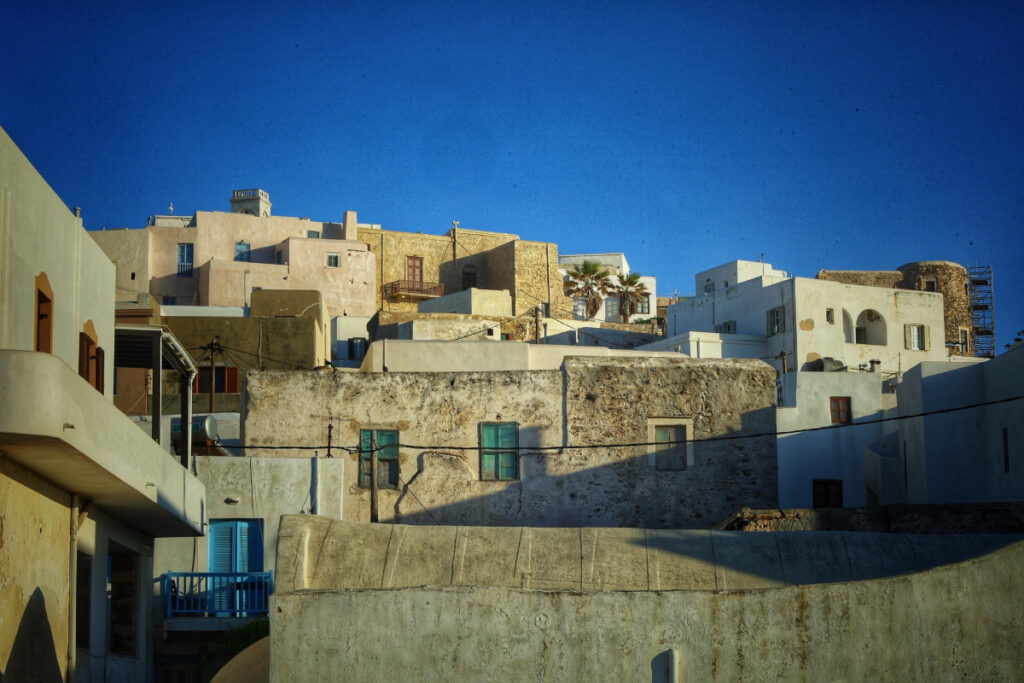
This village will take your breath away. It’s nestled on a mountainside and is famous for being built out of marble—marble streets, marble arches, marble balconies. The village has its own unique culture and a few small, great museums. Stop by the main square for a Greek coffee and feel the cool mountain air.
The Kouros of Melanes:
Take a short adventure near the village of Melanes to find the ancient Kouros statues. These big, unfinished marble figures from the 7th century BC are carved right in the quarries they came from. Finding them—one in a shaded garden, the other up a dirt path—feels like a real discovery.
A food lover’s guide to Naxos
The island’s rich land makes its food a real highlight. Don’t just stick to the usual taverna menu.
Must-Try local dishes:
Look for Naxos potatoes—small, tasty, and perfect when roasted or fried. Try the local cheeses, especially the hard, salty Arseniko and the sweet, nutty Graviera Naxou. For a big meal, go for Lamb Kleftiko or Pork with Celery (Hirino me Selino).
The signature drink:
You must try Kitron, a liqueur made from the leaves of the citron fruit. It comes in three types: green (strongest), yellow (medium), and clear (sweetest).
Where to eat:
Don’t just eat on the waterfront in Chora. Explore the narrow streets of the Old Town for hidden tavernas, or even better, plan a long lunch at a family-run restaurant in one of the mountain villages. The food is often more real and the prices are lower.
Practical Naxos: Planning your perfect trip
Getting there & away:
Naxos has an airport with flights from Athens. Most people arrive by ferry from Athens’ Piraeus port (4-5 hours) or from other Cyclades islands like Mykonos, Paros, or Santorini. Book ferries ahead during peak season (July-August).
Getting around:
The public bus system works well and connects Chora with the main beaches and some villages. For full freedom, however, renting a car, scooter, or ATV is highly recommended.
Where to stay:
- For First-Timers & Nightlife: Stay in Naxos Chora for easy access to everything.
- For Beach Lovers & Families: The areas of Agios Prokopios and Plaka are ideal.
- For an Authentic, Quiet Retreat: Consider staying in or near a mountain village like Halki or Apeiranthos.
How long to stay:
You can see the main sights in 3-4 days, but a week gives you time to really relax and explore the island’s hidden spots at a slower pace.
The final word: Why Naxos stays with you
Naxos has a way of getting into your heart. It’s the memory of a perfect sunset behind the Portara, the taste of sharp Arseniko cheese with your village salad, the feeling of cool marble under your hand in Apeiranthos, and the joy of finding an empty stretch of Plaka beach all to yourself. It’s an island that doesn’t just offer a postcard view; it gives you a complete and deeply satisfying experience. It’s the confident, green heart of the Cyclades, waiting to be discovered.
One Response