
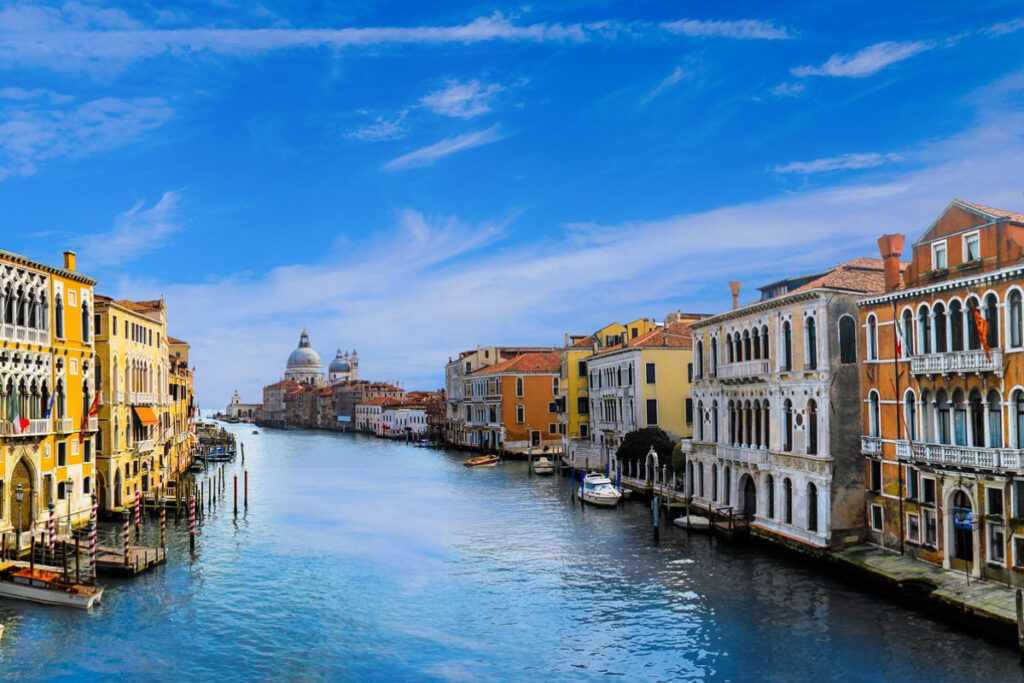
There’s a place where the streets are made of water, history whispers from every brick, and the morning air carries the scent of the sea. This is Venice. It’s a city you feel you know before you even arrive, thanks to a million images and stories. But let me tell you, no photograph can prepare you for the moment you step out of the train station or the parking garage and see the Grand Canal for the first time. It’s a breathtaking, pinch me I’m dreaming moment that never gets old. This isn’t just a list of attractions; it’s a guide to truly experiencing La Serenissima, “The Most Serene.” We’re going beyond the postcard to help you discover the soul of this floating city.
 First, Let’s get practical: Your Venice survival guide
When is the best time to visit Venice?
This is the million dollar question. The answer depends on what you’re after.
- Shoulder seasons (April-May & September-October):
This is the golden window. The weather is pleasantly w rm, the crowds are thinner than in summer, and the light is perfect for photography. You can enjoy sitting at an outdoor café without sweltering.
- Summer (June-August):
This is peak season. The city is hot, humid, and incredibly crowded. Wh le the energy is high and days are long, be prepared for queues and higher prices. Book everything far in advance.
- Winter (November-February):
This is Venice’s secret season. The city is shrouded in a beautiful, mysterious fog. Crowds are minimal, and you can have iconic spots almost to yourself. This is also the time of acqua alta (high water), where parts of the city flood. It’s a unique experience just pack some waterproof boots!
How to get around: Ditch the google maps mentality
In Venice, the journey is the destination.
Vaporetto:
This is Venice’s public water bus. It’s the workhorse of the canals. Do yourself a favor and get a multi-day travel card. It’s worth every euro.

Gondola:
Yes, it’s touristy. And yes, it’s expensive. But gliding through silent, narrow canals as your gondolier sings softly is a magical, timeless experience. To make it worth it, go at usk, agree on the price and duration (usually 30 minutes) upfront, and find a gondola stand away from the main hubs like St. Mark’s.
On foot:
This is the best way to discover Venice. Put your phone away. Get deliberately lost. Wander down alleyways that dead-end at water, cross tiny bridges, and discover hidden courtyards. You’ll find the real Venice in the spaces between the major sights.
The Must-Sees: The heartbeat of Venetian grandeur
You can’t come to Venice without paying homage to its iconic centers of power ad faith.
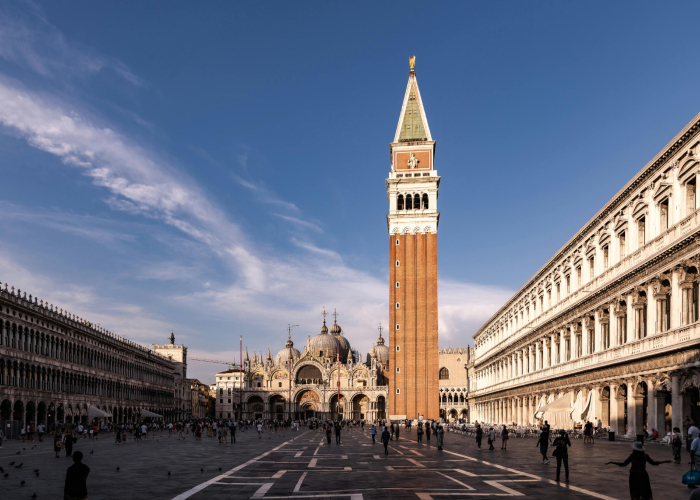
St. Mark’s square (Piazza San Marco):
Napoleon called it “the drawing room of Europe.” Step into this vast, open square and you’ll understand why. It’s surrounded by music from open-air cafés and framed by architectural masterpieces.
St. Mark’s basilica:
This cathedral is a staggering blend of Byzantine, Gothic, and Romanesque styles. The interior is a cavern of golden mosaics that shimmer in the dim light. Book a “Skip the Line” ticket online it will save you hours.
The doge’s palace:
This was the seat of Venetian power for centuries. Walking through its opulent halls, crossing the Bridge of Sighs, and exploring the gloomy prisons is like stepping into a history book. The secret itineraries tour is highly recommended for a deeper dive.
The Rialto bridge:
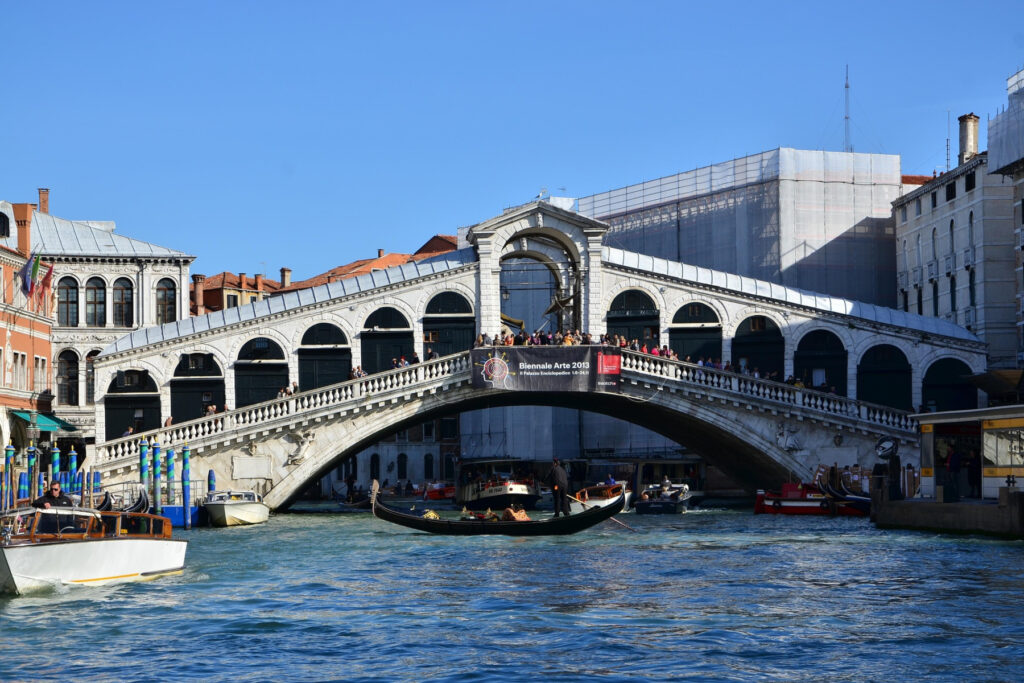
The most famous bridge spanning the Grand Canal. It’s always a bustling spectacle of tourists and vendors. Go early in the morning to see it in a more peaceful light and to experience the Rialto Market nearby, where Venetians have shopped for centuries.
Beyond the guidebook: Finding your own Venice
The magic of Venice isn’t just in its famous squares; it’s in the quiet moments you find for yourself.
Get lost in dorsoduro:
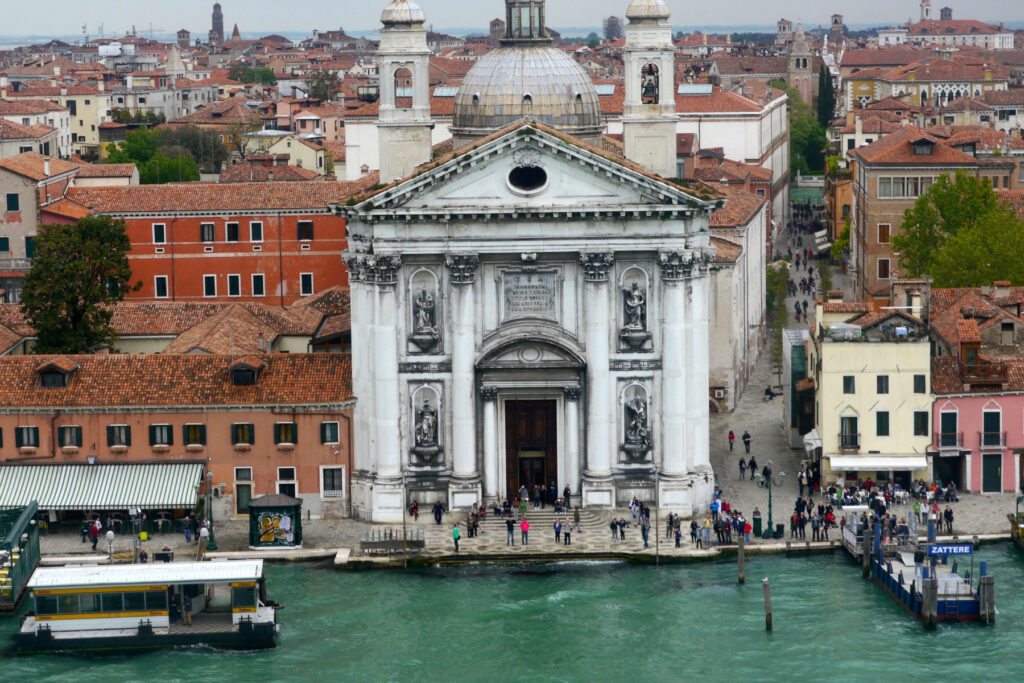
Cross the Accademia Bridge into this artsy, residential neighborhood. It’s home to the incredible Accademia Gallery, but it’s also full of quiet canals, charming squeri (gondola repair yards), and the panoramic views from the tip of Punta della Dogana.
Discover the arsenal:
The heart of Venice’s naval might, this massive, walled complex is a testament to the city’s industrial power. It’s often overlooked by tourists but is utterly fascinating.
Find a hidden campiello:
A campiello is a small, intimate square. Find one, sit on the edge of a wellhead, and just watch daily Venetian life unfold. Listen to the chatter from an open window, the clatter of dishes from a nearby kitchen. This is the real, living city.

Escape the mainland: The islands of the lagoon
A vaporetto ride away are three islands, each with its own distinct personality.
Murano:
The world famous home of Venetian glassmaking. Watch master artisans shape molten glass into breathtaking sculptures. It’s a mesmerizing process. Be wary of “free” boat trips from persistent touts; it’s better to take the public vaporetto.

Burano:
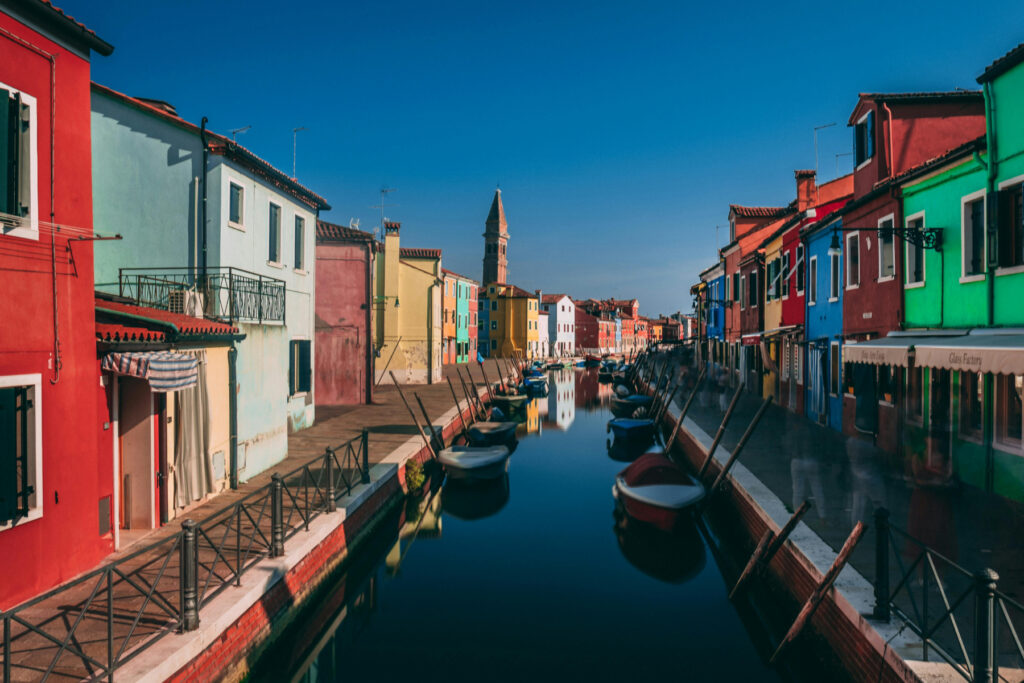
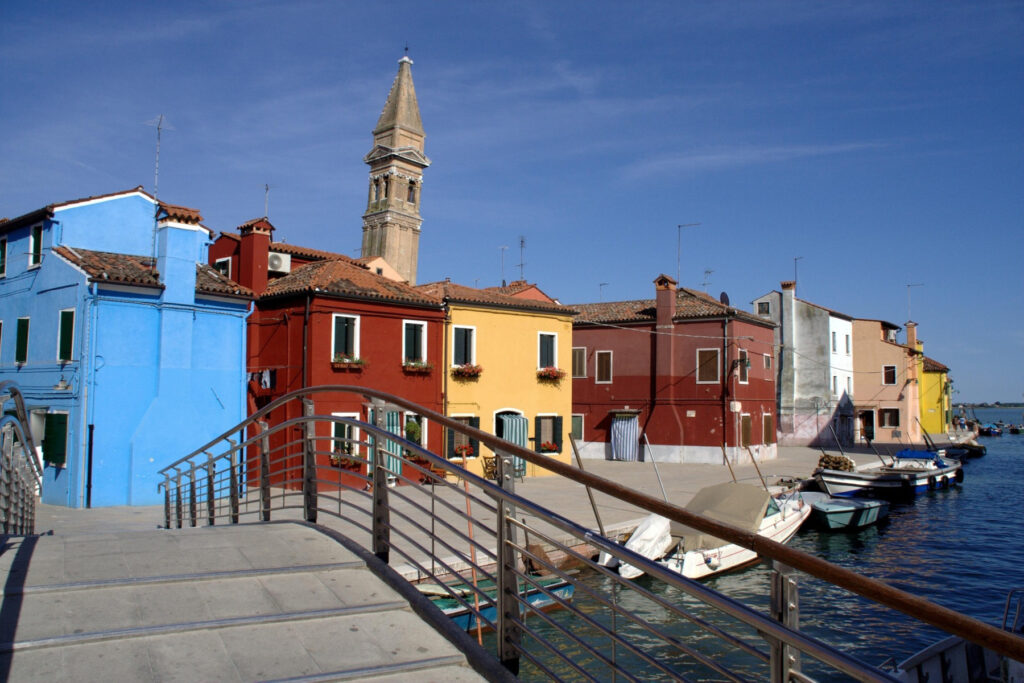
Prepare for your jaw to drop. This fishing village is a riot of color, with every house painted a different, vibrant hue. It’s impossibly picturesque and also known for its delicate lacework. It’s the perfect place for a long, lazy lunch by the canal.
Torcello:
For a taste of the lagoon’s ancient past, visit Torcello. Once a thriving settlement, it’s now a sparsely populated island of serene meadows, the ancient Cathedral of Santa Maria Assunta, and the legendary “Devil’s Bridge.”
A taste of Venice: What and where to eat
Forget generic pizza. Venetian cuisine is a treasure trove of seafood and cicchetti (small snacks).
Cicchetti:
This is the Venetian version of tapas. Head to a bacaro (a small, rustic wine bar) and point to what looks good think fried moeche (soft-shell crabs), meatballs, crostini with baccalà (creamy salt cod), and polenta. Have it with an ombra (a small glass of wine).
Must-Try dishes:
Seek out Sarde in Saor (sweet and sour sardines with onions), Risi e Bisi (a soupy rice and pea dish), and Bigoli in Salsa (whole ,wheat pasta with anchovy and onion sauce).
Where to eat:
Avoid the tourist traps with photos of food displayed outs de. Walk a few streets away from the main sights. Look for places filled with locals. In the Cannaregio and Santa Croce neighborhoods, you’ll find authentic, family run trattorias with incredible food at fair prices
Parting wisdom: Making your trip unforgettable
Book ahead:
For popular attractions like the Doge’s Palace and St. Mark’s Basilica, pre booking your tickets online is non negotiable. It saves time and stress.
Comfortable shoes are king:
You will walk. A lot. Cobblestones, bridges, and alleyways demand supportive, comfortable footwear.
Pack a reusable water bottle:
Venice has public water fountains (nasoni) everywhere here you can refill your bottle with clean, fresh water for free.
Embrace the pace:
Venice forces you to slow down. You can’t rush when you’re following a canal or waiting for a bridge. Let go of a rigid itinerary and allow the city to guide you.
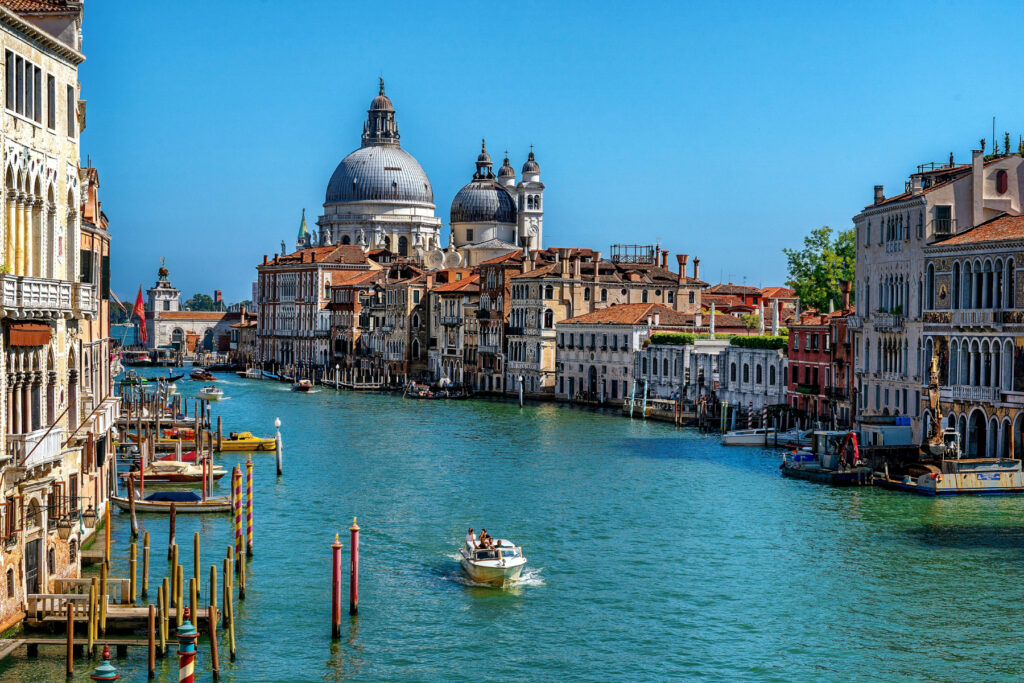
- Venice is a miracle. It’s a city that defies logic, built on water and sustained by the dreams of those who visit. It can be crowded, it can be expensive, but it will also capture a piece of your heart. So go, wander, taste, look up, and get lost. Your own Venetian story is waiting to be written.
3 Responses