
Sicily is more than just an island; it’s an experience. It’s the sweet smell of orange blossoms mixed with the salty air of the sea, the feeling of walking through 2,500 year old Greek temples, and the taste of a perfectly cooked arancino on a busy street in Palermo. As the largest and most complex region in Italy, it feels like a country of its own a beautiful mix of old history, dramatic landscapes, and a culture that’s proud and strong. Forget the images you might have seen in movies. To really understand Sicily, you have to feel the heart of the Mediterranean. This guide will help you discover the real soul of the island.
The soul of the island: A rich mosaic of history
To understand Sicily today, you have to listen to the stories of its past. Located in the center of the Mediterranean, it was a prize for many great civilizations. The Greeks came first and left behind some of the most amazing temples in the world. Then came the Romans, the Byzantines, the Arabs, the Normans, and the Spanish. Each of these groups left their mark, not as hurts, but as parts of a beautiful cultural mix. You can taste the Arab influence in the saffron and dried fruits in your couscous. You can see the Norman style in the golden mosaics of Palermo’s Palatine Chapel. You can hear the deep history in the local dialect. This is not just Italian history this is a piece of world history, all on one warm, sunny island.
Must See destinations: From volcanic power to baroque beauty
Sicily variety is its biggest strength. You can be hiking a lively volcano one day and swimming in clear blue waters the next. While there are many places to see, here are the top
spots for a first time visitor.
Palermo: The Full-Blown capital
Palermo is a city that takes all your senses. It’s lively, loud, and endlessly interesting. Explore the markets of Ballarò or Vucciria, where sellers shout in Sicilian and the air is filled with the smells of grilled sfincione (local pizza) and fresh fish. Don’t miss the Palatine Chapel, where the walls shine with Byzantine mosaics, and the Catacombs of the Capuchins, which offer a different kind of history.
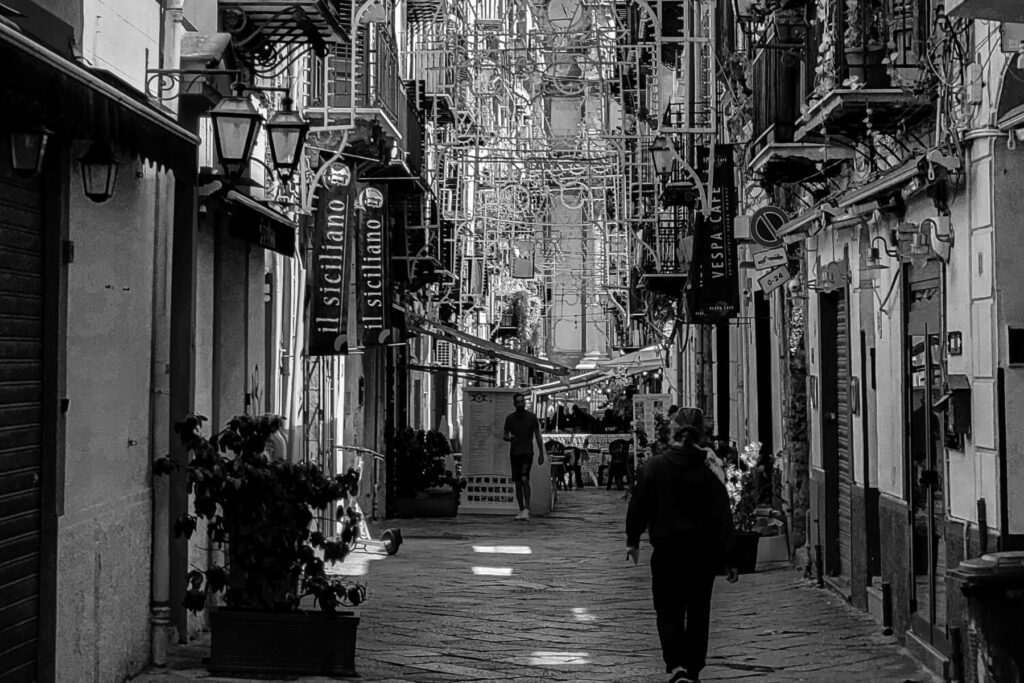
Mount Etna: The volcanic giant
Europe’s tallest and most active volcano is not just a background it’s a key part of Sicilian life. Take a 4×4 tour and walk through fresh lava fields, feeling the heat from the earth. The slopes of Etna also have special vineyards where vines grow in soil rich with minerals. A wine tasting here is an unforgettable moment.
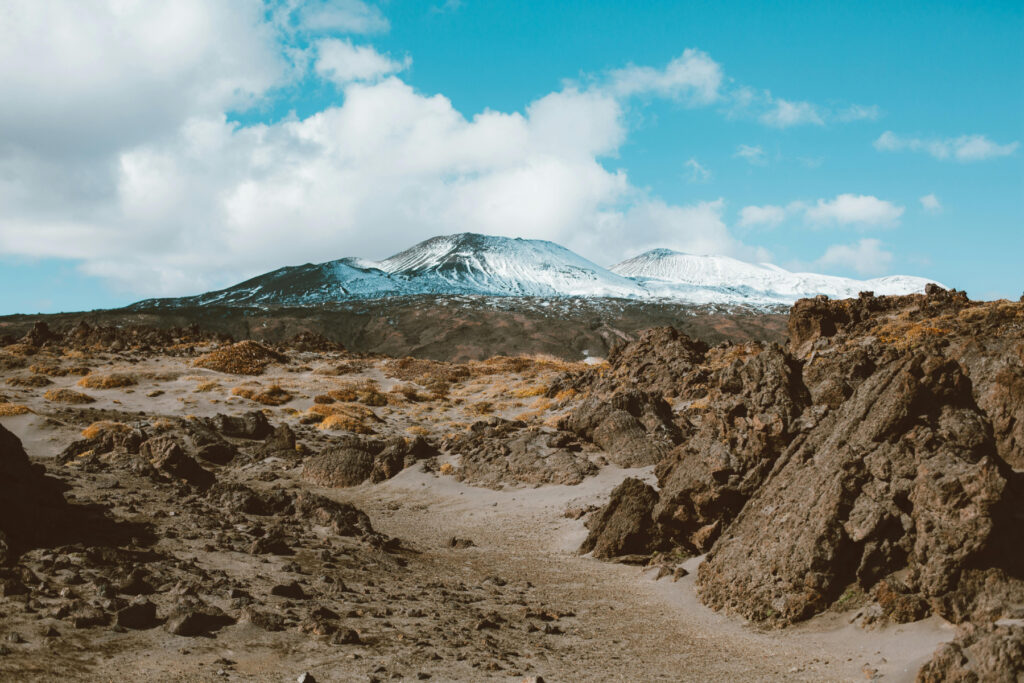
Taormina: The elegant hilltop town
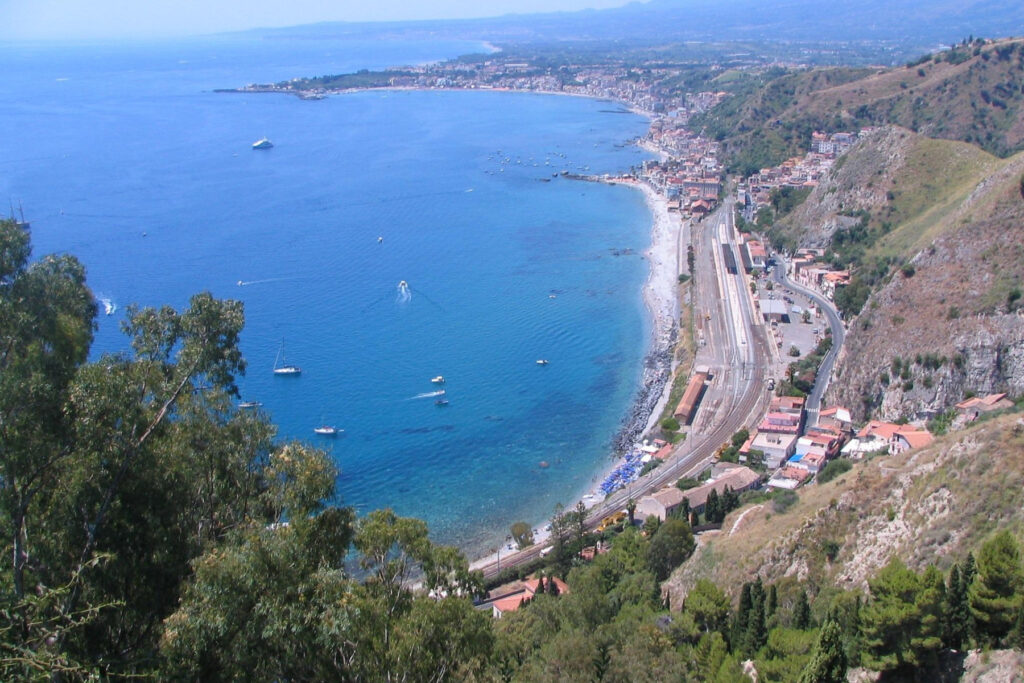
Perched above the Ionian Sea, Taormina is as beautiful as it’s known to be. The highlight is the ancient Greek Theatre, offering a stunning view of Etna and the coast. While it might get crowded, its gardens, cafes, and views are worth it. For a quick escape, take a cable car down to the beach area of Isola Bella, a small nature reserve.
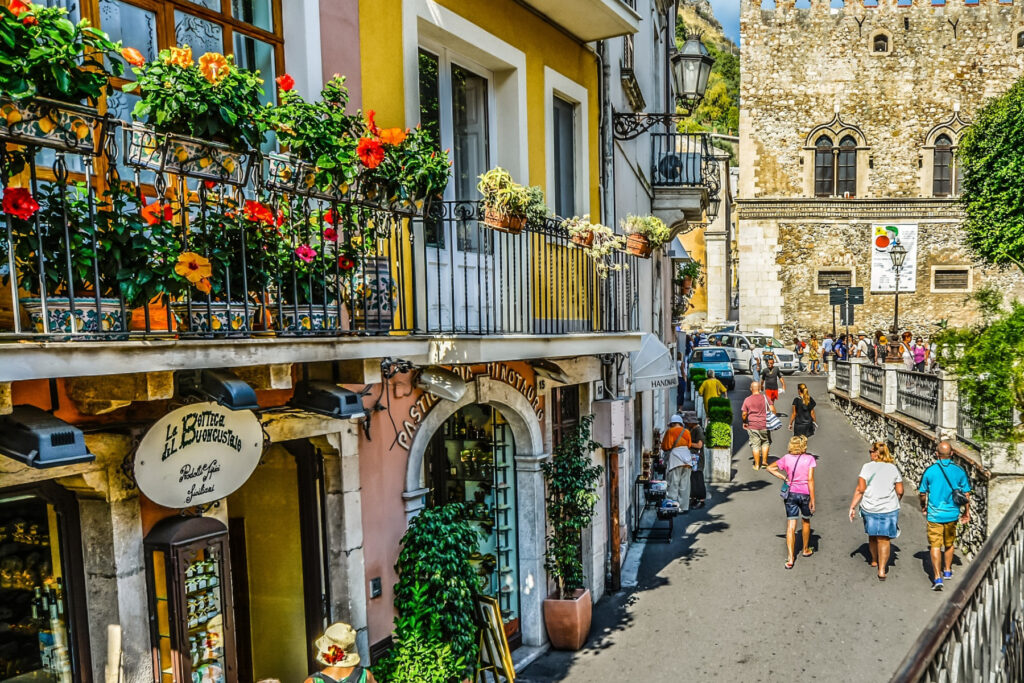
The valley of the temples, Agrigento
Walking among the tall Doric columns of the Valley of the Temples is a powerful experience. This is not a valley but a hill, and the temples, especially the Temple of Concordia, are in excellent condition. Visit late afternoon when the golden light shines on the ancient stones and the crowds are smaller. It’s a direct link to ancient Greece.
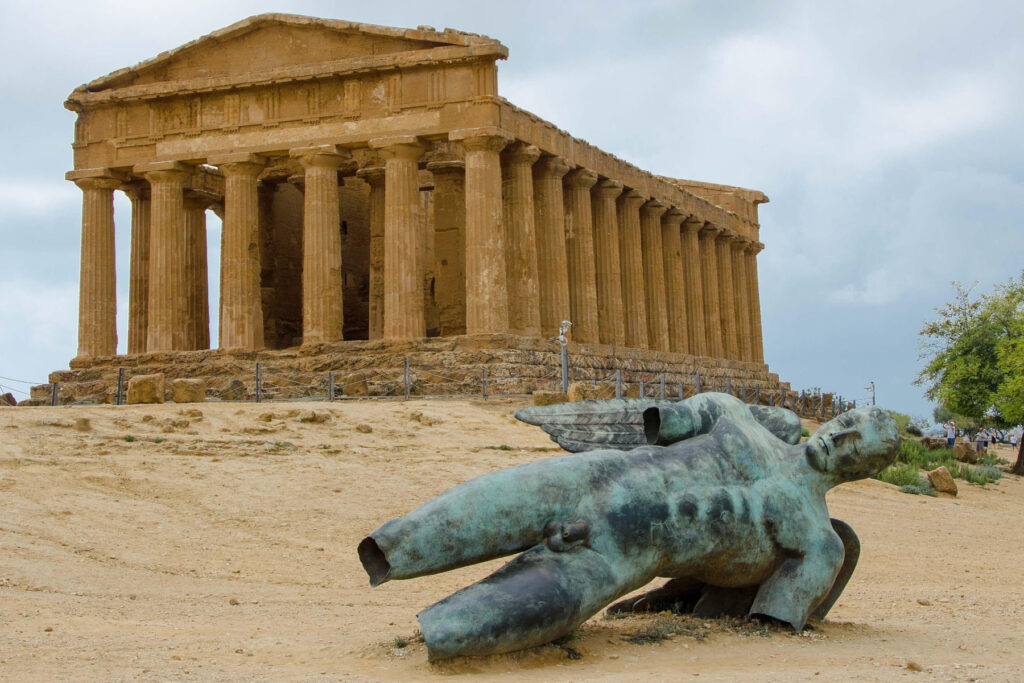
Syracuse and Ortygia
Step back into the time when Syracuse was a powerful rival of Athens. The Neapolis Archaeological Park has a huge Greek theatre still used for performances. Cross the bridge to the island of Ortygia, the city’s historic center. Get lost in its winding streets, admire the Duomo built around an ancient temple and relax at the freshwater spring of Arethusa.
The baroque treasures of the southeast: Noto, Modica, and Ragusa
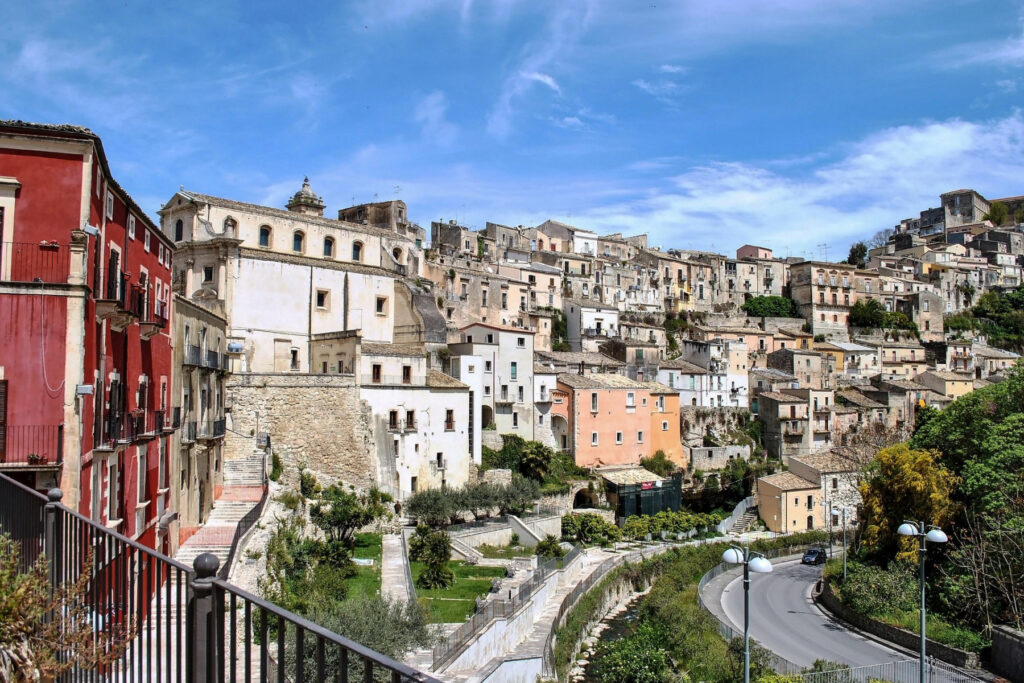
Aftet a big earthquake in 1693, this area was rebuilt in a lively style called Sicilian Baroque. Noto is a masterwork of golden stone, known for its cathedral and almond sweets. Modica is built into a steep valley and is famous for its ancient chocolate recipe, brought by the Aztecs through Spain. Ragusa is divided into two parts; visit Ragusa Ibla, the older lower town, for a magical evening walk.
Beyond the mainland: The Aeolian islands
If you’re looking to go a bit further, the volcanic Aeolian Islands offer a different world. Lipari is the lively center, Salina is green and beautiful, and Stromboli is unforgettable. You can hike up to its top and see “Sciara del Fuoco”âthe river of fireâwhich erupts every 20 minutes or so. These islands are pure, wild Mediterranean magic.
A culinary pilgrimage: What to eat in Sicily
Sicilian food is like a religion. You don’t just eat hereâyou experience it.
Street food:
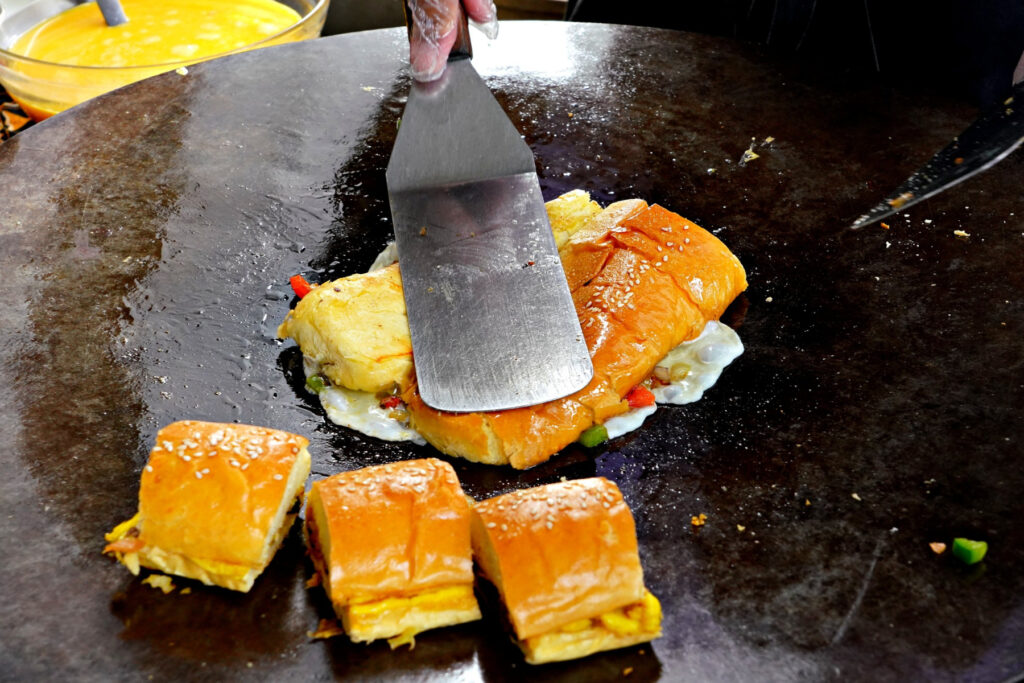
Start with arancini (deep fried rice balls), panelle (chickpea fritters), and sfincione. Make sure to call them arancini in the east and arancine in Palermo!
Pasta:
You must try Pasta alla Norma (with eggplant, tomato, and salted ricotta), which is a tribute to the Bellini opera. In Catania, find Pasta alla Carrettiera, a simple dish with raw tomato, basil, and garlic.
Seafood:
From swordfish rolls (involtini di pesce spada) to fresh sardines (sarde a beccafico), the sea is always on the menu.
Sweets and drinks:
Cannoli are a mustâ but only order them filled to order for the perfect crisp shell. Granita isn’t just a slushy; it’s a breakfast ritual, often served with a brioche. Don’t leave without trying the fortified Marsala wine.
Practical tips for your Sicilian adventure
Best time to visit:
The best months are April through June and September through October. The weather is perfect for exploring, and the crowds are not too bad. July and August can be very hot and crowded.
Getting around:
To truly discover Sicily, you need a car. Public transport connects major cities but is not frequent in rural areas or hidden spots.
How long to stay:
A week gives you a good taste, but two weeks lets you explore both the east and west coasts at a relaxed pace.
A final word on etiquette:
Sicilians are warm and generous. Learn a few Italian words (“buongiorno,” “grazie”), slow down to their pace, and be open to conversation. The best moments
often happen when you put the map away and just get lost.
- Sicily gets under your skin. It’s a place of raw beauty and deep history, where life is lived with passion and a strong connection to the land and sea. It’s not a trip you takeâit’s a story you become part of. Start writing yours.
One Response