
Near your eyes and photo Germany.You’re possibly imagining scenes instantly from the Rhineland:forested hillsides plunging right into a strong river, atop which sit down stone castles guarding each bend, and vineyards terraced so steeply you surprise how any human could tend them.This isn’t just a postcard; it’s a actual vicinity, pulsing with life, legend, and a deep, welcoming spirit.The Rhineland isn’t always a single state but a cultural area, often spanning elements of North Rhine Westphalia and Rhineland Palatinate.It’s the historic coronary heart of Western Germany, a land shaped by way of the Rhine River and its tributaries, just like the Moselle.It is a place where Romans planted vines, in which medieval emperors built their fortresses, and where current day Germans know the way to have a good time life with remarkable fervor.This manual will take you beyond the brochure to the very soul of this fascinating area.
The UNESCO international background website called the higher middle Rhine Valley, stretching more or less from Koblenz to Bingen, is the stuff of fairy testimonies.The pleasant manner to experience it.From the water.
A Rhine River Cruise is critical
You haven’t truly seen the Rhineland until you’ve glided down the Rhine.Choose a multi day cruise or actually hop on one of the frequent ferries (like the ones from KD Rhine) for a few hours.As you take a seat on the deck, the sector unfolds: tiny half of timbered cities with names like Bacharach and Oberwesel dangle to the banks, and each couple of minutes, any other citadel seems.It’s a chilled, breathtaking manner to absorb the panorama.
The loreley rock: Siren of the Rhine
On the river’s narrowest and deepest factor, a steep slate rock rises 432 feet.This is the Loreley.Legend tells of a lovely blonde maiden who, sitting atop the rock, might comb her hair and sing a captivating tune.Distracted by way of her voice, sailors would crash their ships on the treacherous rocks underneath.Today, you could climb to the top for a beautiful perspective and visit the current tourist center to delve into the parable.It’s a powerful spot that still captures the German creativeness.
You may’t throw a stone in the Rhine Valley without hitting a fortress.Every has its personal man or woman.
Marksburg fortress: The most effective hill citadel at the Rhine never destroyed.Its completely preserved fortifications give you an actual, un romanticized look at medieval life.It’s formidable and awe-inspiring.
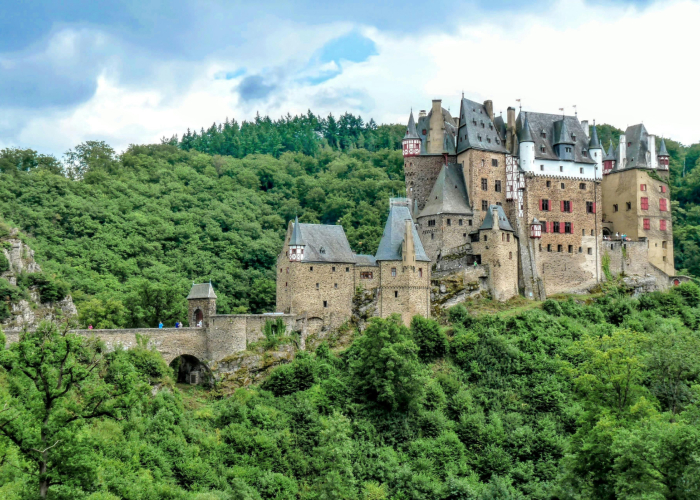
Burg Eltz: A moderate detour from the Rhine into the Moselle Valley, Burg Eltz is regularly referred to as Germany’s maximum stunning fort.Hidden in a forested valley, it seems like it’s been lifted from a Disney film.The hike down to it’s far part of the magic.
Reichsburg Cochem: Perched dramatically above the Moselle city of Cochem, this citadel is a 19th century reconstruction but no much less astounding.The guided excursion is superb, and the views over the river bends are unforgettable.
The Rhineland’s urban facilities provide a thrilling evaluation to the valley’s serenity.
Cologne (köln): The Cathedral town
Your eyes might be drawn upward the moment you step out of the primary educate station.The Cologne Cathedral (okayölner Dom), a Gothic masterpiece, is dazzling in its scale and element.A UNESCO website, it took over 600 years to complete.Climb the 533 steps to the south tower for a reward of sweeping metropolis and river perspectives.However Cologne is greater than its cathedral.It’s a vibrant, tolerant, and slightly hard round the edges town with a global class museum scene, mainly the Museum Ludwig for modern art.The people of Cologne, or okayölsch, as each the dialect and the neighborhood beer are referred to as, are recognized for his or her smooth going and jovial nature.Talking of okayölsch, you ought to visit a traditional brewpub and enjoy this light, crisp beer served in small, cylindrical glasses.
Düsseldorf: Fashion and Altbier
Upstream, Düsseldorf offers a more polished, elegant face.It’s Germany’s fashion capital, with the famous okayönigsallee (okayö) street for high cease buying.Its coronary heart, however, is the Altstadt (antique metropolis), dubbed “the longest bar within the world” due to its brilliant density of pubs. right here, the brew of choice is Altbier, a top fermented, copper colored beer.The ecosystem within the vintage town breweries, like Zum Uerige, is boisterous and deeply traditional.
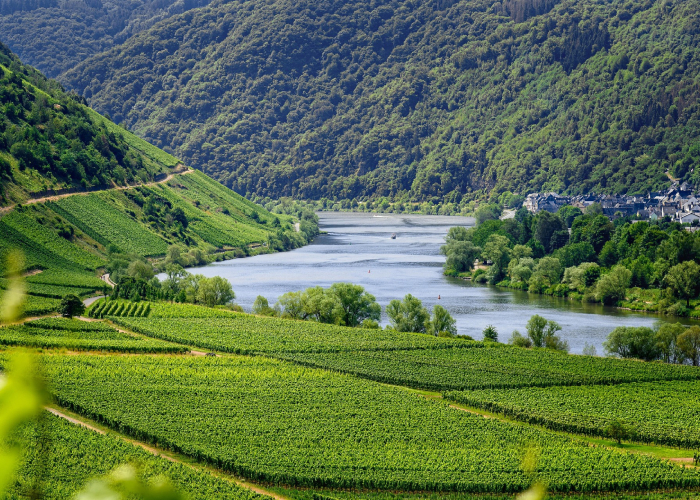
The Romans first diagnosed the potential of the solar soaking wet slopes alongside the Rhine and its tributaries.These days, the Rhineland is one of the world’s finest wine regions.
Riesling is King: Overlook the cloyingly sweet Rieslings of the past.Rhineland Rieslings are numerous, ranging from bone dry (Trocken) and crisp to lusciously candy Beerenauslese.They are nuanced, mineral driven, and flawlessly paired with the neighborhood delicacies.
The Moselle Valley: The Mosel River, with its impossibly sharp bends, creates a number of the most prestigious and steep vineyards on this planet.Towns like Bernkastel Kues are postcard best centers for wine tasting.
Revel in a Straußwirtschaft: For a genuinely local revel in, search for signs and symptoms for Straußwirtschaft or Heckenwirtschaft.Those are brief, own family run wine taverns opened by using vintners for some weeks a yr to promote their very own wine and easy, selfmade food.It’s an authentic and wonderfully convivial way to spend a day.
If you assume Germans are usually reserved, you want to experience Rhineland Karneval.The “5th season” kicks off on November 11th however explodes inside the week before Ash Wednesday.From Weiberfastnacht (women’s Carnival Day) to Rosenmontag (Rose Monday), towns like Cologne, Düsseldorf, and Mainz come to a complete, joyous halt.Streets are packed with humans in intricate costumes, dancing, making a song, and drinking.The spotlight is the Rosenmontag parade, a hours long procession of floats, bands, and performers who throw sweet (Kamelle) and flowers to the crowds.It’s a party of satire, community, and letting unfastened that you’ll in no way forget.
Beyond the Rhine: The Black wooded area
At the same time as technically its very own location, the western fringe of the Rhineland brushes against the famed Black woodland (Schwarzwald).This is a land of deep, dark pine forests, rolling meadows, and cuckoo clocks.It’s ideal for hiking, respiration inside the sparkling mountain air, and indulging inside the international’s most famous cake, the Black wooded area Gateau (Schwarzwälder Kirschtorte).
Getting round: The German rail device is extremely good for connecting cities.To discover the villages and castles, consider renting a vehicle for ultimate flexibility.The Rhine itself is a toll road, with ferries and cruise ships connecting the dots.
While to move: Late spring (may additionally June) and early autumn (September to October) are best.The weather is first class, the vineyards are inexperienced or turning gold, and it’s less crowded than the peak summer season months.December is magical for the Christmas markets.
Should eat food: Past wine and beer, try Sauerbraten (a pot roast, traditionally marinated for days), Himmel un Ääd (“Heaven and Earth,” a dish of black pudding with mashed potatoes and applesauce in Cologne), and Reibekuchen (potato pancakes).
The Rhineland is a tapestry woven with threads of history, natural splendor, and an unshakable zest for lifestyles.It’s a place that invites you to gradual down, to sip a Riesling even as looking the river go with the flow, to explore a citadel and let your creativeness run wild, and to elevate a tumbler with the locals.It’s not just a vacation spot; it’s an enjoy that stays with you long once you’ve again home.