
You’ve seen the pictures. You’ve imagined the
dream. Rolling hills covered with cypress trees, old hilltop towns glowing in the sunset, and vineyards that go on and on. Tuscany isn’t just a picture on a postcard; it’s something you really feel. It’s the taste of a strong Chianti wine, the sound of Italian spoken in a sunny square, and the smell of wild herbs on a warm breeze. But with so much to see, planning a trip can be confusing. This guide is here to help. We’re going beyond the usual spots to help you create a trip that’s all your own, mixing famous places with real local experiences that truly show what Tuscany is all about.
The heart of the region: Florence & Siena
No trip to Tuscany is complete without visiting its top two cities. They are often compared, but they each have their own special charm.
Florence (Firenze): The home of the Renaissance
Walking through Florence’s historic area feels like walking through an art museum. There’s so much art and architecture it’s hard
to take it all in.
- Don’t miss the Duomo:
The dome of the Cattedrale di Santa Maria del Fiore is a fantastic piece of architecture. Climbing up to the top is tiring, but the view of the city with its red rooftops is worth it. Get tickets online well in advance to avoid the long lines.
- Uffizi Gallery & Accademia:
You must see Michelangelo’s David in the Accademia. And don’t miss the Uffizi Gallery where you can see Botticelli’s “Birth of Venus.” You need to book tickets ahead of time
unless you like waiting in long lines.
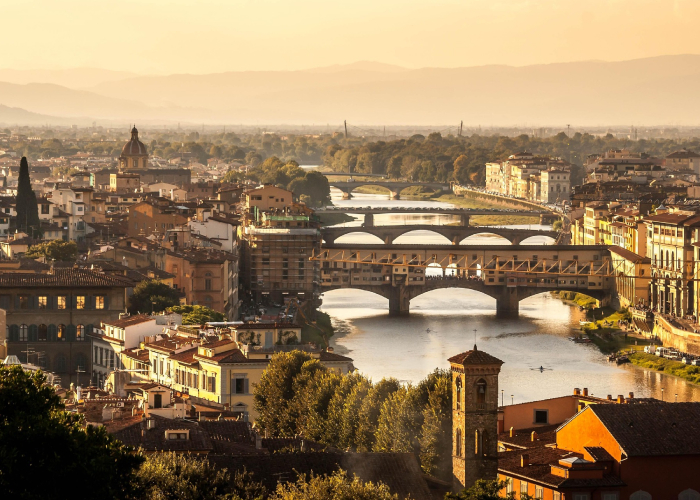
- Ponte Vecchio at Dusk:
Go back to the Ponte Vecchio when the sun is setting. The gold and silver shops shine in the light, and the whole place feels magical. It’s a great time to stop and enjoy the charm of the city.
Siena: The gothic beauty
If Florence feels grand and formal, Siena is cozy and strong. At its heart is the Piazza del Campo, one of the best medieval squares in Europe.
- Piazza del Campo:
Find a spot on the brick path and just sit. Watch people pass by, imagining the noise of
horses during the Palio, the famous horse race held twice a year.
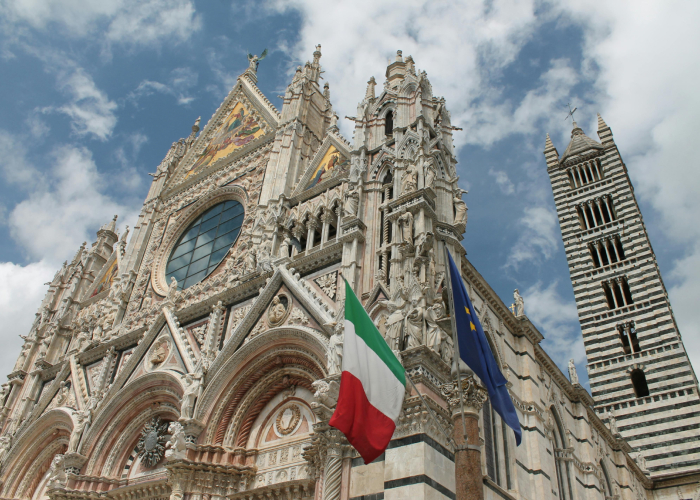
- Siena Cathedral (Duomo):
A mix of Gothic and Romanesque styles, the inside is amazing. The inlaid marble floor and the colorful frescoes in the Piccolomini Library are breathtaking.
- Get lost:
The best part of Siena is wandering through its narrow streets and finding quiet areas that aren’t often visited by tourists.
Beyond the cities: The real spirit of Tuscany
This is where the dreamy Tuscan countryside comes to life. Renting a car is a good idea to explore at your own pace.
The Val d’Orcia: The dreamy landscape
This UNESCO site is famous for its beautiful views. It’s perfect for long, slow drives with many stops to take pictures.
- Pienza: A Renaissance town, Pienza is known for its cheese. Walk down the main street, try samples, and enjoy lunch with a view of the valley.
- Montalcino & Montepulciano: Two Wine Towns. These two hill towns are famous for their wines. Montalcino makes Brunello di Montalcino, while Montepulciano produces Vino Nobile. Visit a winery for a tasting. Smaller family-run places often offer the most personal experiences.
- The Cypress Trees of San Quirico d’Orcia: For that classic photo of lone cypress trees, head near San Quirico. The road on Via Cassia (SR2) is famous for sunrise or sunset shots.
The Chianti Region: Wine and medieval towns
Chianti is between Florence and Siena and is known for its red wine. It’s a more compact, wooded area.
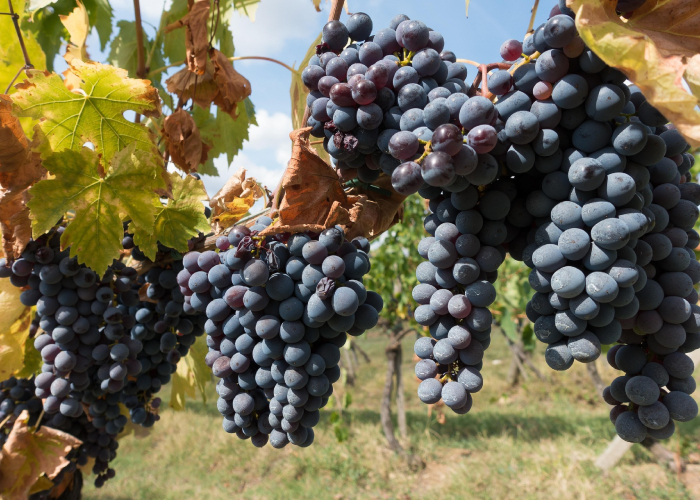
Wine tasting:
You can’t go wrong with any of the options. From big, famous estates like Castello di Brolio to small, cozy farmhouses, there’s something for everyone. Many need reservations, so plan your day accordingly.
Greve in chianti & Radda in chianti:
Greve has a triangular main square, while Radda is a well preserved village. Both are good places to base your trip.
The coast & hidden gems
While the countryside gets most of the attention, Tuscany’s coast has a different, wild beauty.
The maremma:
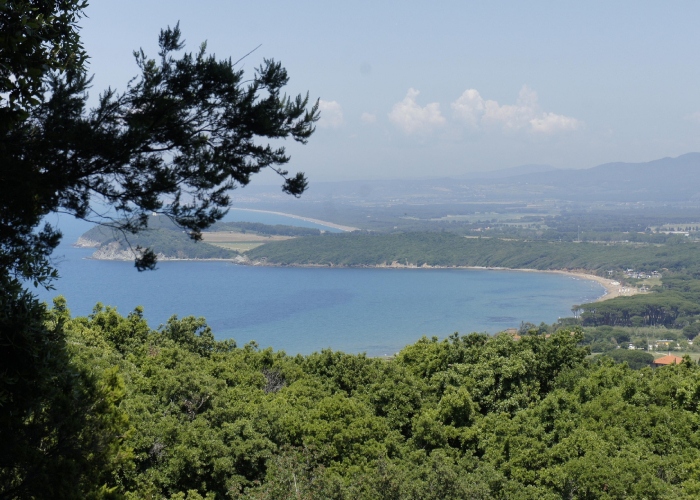
This is Tuscany’s wild side, with rugged coastline, hot springs, and cowboys (butteri). Visit the Etruscan ruins in Vetulonia or relax in the natural hot springs at Saturnia’s Cascate del Mulino.
San Gimignano:
The Medieval Manhattan: Even though it’s not hidden, its skyline with 14 tall tower houses is unforgettable. Visit early in the morning or late in the afternoon to avoid crowds.
A Taste of Tuscany: More Than Just Pasta
Tuscan food is hearty and simple, made with
local ingredients.
- The Starter: Start with Crostini Toscani bread with rich chicken liver pate.
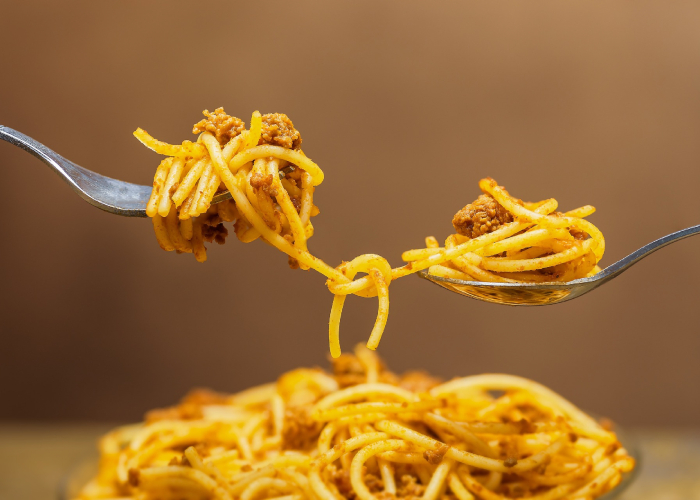
- The Primo: This is the pasta course. Try Pici, which is thick, hand rolled spaghetti often served with wild boar ragu (cinghiale).
- The Secondo: The main dish is Bistecca alla Fiorentina a big, grilled T-bone steak made from local Chianina cattle, seasoned only with salt, pepper, and olive oil. It’s meant to be shared.
- The Sweet End: Finish with Cantucci e Vin Santo. Dip the hard almond biscuits into a glass of sweet dessert wine for a real local treat.
Crafting your perfect Tuscan itinerary
- 5-7 Days (The Highlights): Spend three nights in Florence, two nights in Siena, and take day trips to Chianti and San Gimignano.
- 10-14 Days (The Deep Dive): Stay three nights in Florence, two nights at a Val d’Orcia agriturismo (a farm stay), two nights in Siena, and two nights in Chianti. You’ll also have time to explore places like Maremma or Lucca in the north.
Practical tips for a seamless trip
Book early:
The best agriturismos, villas, and tours often book up months in advance, especially if you’re traveling between May and September.
Rent a car for the countryside:
Public transport works well between cities, but a car gives you freedom to explore the hills and
villages on your own.
Embrace the Agriturismo:
Staying on a working farm is one of the most real Tuscan experiences. You’ll get beautiful locations, meals cooked at home, and a direct link to the land.
Slow down:
The real spirit of Tuscany isn’t found in rushing from one monument to another. It’s found in long lunches, aimless drives, and extra time spent watching people in the piazza. Let yourself just be there.
- Tuscany is a region that leaves a lasting impression. It teaches you to appreciate beauty, to enjoy a meal, and to find happiness in the rhythm of the day. It’s not just a place to visit—it’s an experience to live. All that’s left is to start planning. Buon Viaggio.
One Response