
Berlin doesn’t just welcome you it challenges you. It’s a city that shows its history clearly, a big place where grand royal streets meet rough concrete with graffiti, and quiet memorials are just a short subway ride away from busy nightclubs. This isn’t a city that tries to look nice or be perfect. It’s honest, real, and full of creativity. If you’re planning a trip, forget what you think you know. This guide will help you experience the lively, complex, and completely fascinating energy of Germany’s capital.
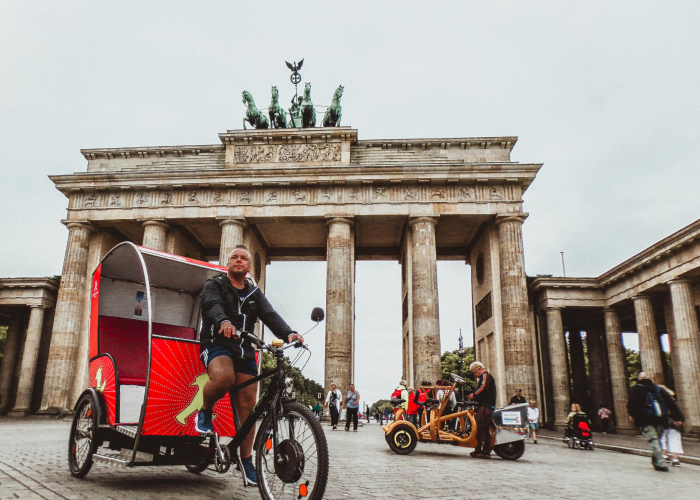
To understand Berlin, you need to hear its history.The 20th century was tough here, and the city has done a lot to make sure we never forget. A walk through its center teaches you about strength and endurance.Start at the Brandenburg Gate.Once a symbol of division, it now stands proudly as Berlin’s symbol of unity and peace. From there, the Memorial to the Murdered Jews of Europe is a powerful place to think. It has 2,711 concrete slabs in a field like arrangement that makes you feel deeply without saying much.No visit is complete without walking the path of the Berlin Wall.The East Side Gallery is the most famous part a 1.3 kilometer stretch of the wall turned into the world’s longest open air art gallery. Seeing artworks like the famous “Fraternal Kiss” is a moving experience. For deeper history, visit the Berlin Wall Memorial on Bernauer Strasse. Here, you can stand on the “death strip” where the wall once stood, with a preserved watchtower and a museum showing the sad stories of those who tried to cross.Checkpoint Charlie, the former border crossing between East and West, feels a bit more commercial now, but its historical importance is clear.It reminds us of a world split in two.
Yes, you must try Currywurst it’s a must do.But Berlin’s food scene is a worldwide treat. Don’t miss the chance to taste authentic Turkish food in Kreuzberg, especially the cozy döner kebab shops, which are far better than anything you’ve had before.For a classic German experience, sit in a traditional beer garden or a cozy pub for a hearty Schnitzel and a big glass of local beer.And on a sunny Sunday, join the locals at the Mauerpark Flea Market grab a street food snack, look for vintage treasures, and stay for the legendary bear pit karaoke that draws huge, cheering crowds.
The Rhythm of the Night
Berlin’s nightlife isn’t just for fun it’s a culture.The techno scene is world famous, with places like Berghain, a club so famous its entrance rules are the talk of the town. But the beauty of Berlin’s nights is the choice. You can find everything from rough basement bars playing indie rock to fancy cocktail lounges with views over the city.
While history is the main part of Berlin, its heartbeat beats in its vibrant and diverse neighborhoods, known as Kieze by locals.
Mitte: The city’s middle is the heart of Berlin, with Museum Island a UNESCO World Heritage site featuring five top museums and the elegant Hackescher Markt, which has hidden courtyards.
Kreuzberg: The place where Berlin’s counter culture began.It has Turkish markets near the canal, rough bars, eye catching street art, and an energy that is both rebellious and friendly. This is where Berlin’s famous alternative spirit lives.
Prenzlauer Berg: A picture of gentrified charm.You’ll find beautifully restored pre war buildings, trendy stores, and peaceful streets with cafes filled with young families. It’s quieter, yet just as appealing.
Friedrichshain: The center of Berlin’s legendary nightlife, home to the RAW Gelände, a former train yard now holding clubs, bars, and a skate park.It’s rough, creative, and full of energy.
Neukölln: The new hotspot for artists and students, offering a more affordable and diverse mix of amazing global food, underground art galleries, and a lively bar scene.
Best Time to Visit: The best times to visit Berlin are late spring (May to June) and early autumn (September).The weather is nice, and the city is full of outdoor cafes and events. Summer can be hot and busy, while winter brings a quiet, beautiful look and magical Christmas markets.
Getting Around: Berlin has a great public transport system called the BVG.Buy a day pass or a WelcomeCard to ride unlimited on the subway (U Bahn), city trains (S Bahn), trams, and buses. This is the easiest way to move around and see the city.
Where to Stay: If you’re new to Berlin, staying in Mitte is a good choice because it’s close to most famous places.For a more local and lively feel, try Kreuzberg or Prenzlauer Berg. If you’re looking for budget friendly options, Friedrichshain or Neukölln are great places to stay.
Day 1: Explore the Historical Heart.
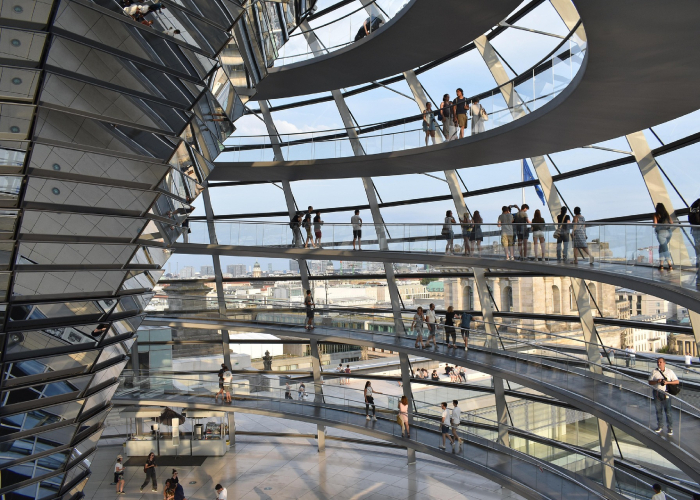
Visit the Brandenburg Gate, Reichstag Building (book your free dome tour ahead of time!), the Memorial to the Murdered Jews of Europe, and Checkpoint Charlie.
Day 2: Discover the Divided City.
Start with the Berlin Wall Memorial, then head to the East Side Gallery. Finish the day by exploring the shops and cafes of Hackescher Markt.
Day 3: Explore Local Neighborhoods.
Pick a vibe that suits you: the alternative and lively streets of Kreuzberg, the cozy charm of Prenzlauer Berg, or the fun of Mauerpark with its flea market and green spaces
Berlin is a city that doesn’t fit into one category.It’s full of contrasts where history and modern life mix, sometimes in a way that feels a bit heavy, but always interesting. It makes you think, feel, and want to dig deeper than the surface. Come with an open mind, good walking shoes, and a willingness to wander. You might find a piece of Berlin stays with you long after you leave.tarts late and ends very early the next day.