
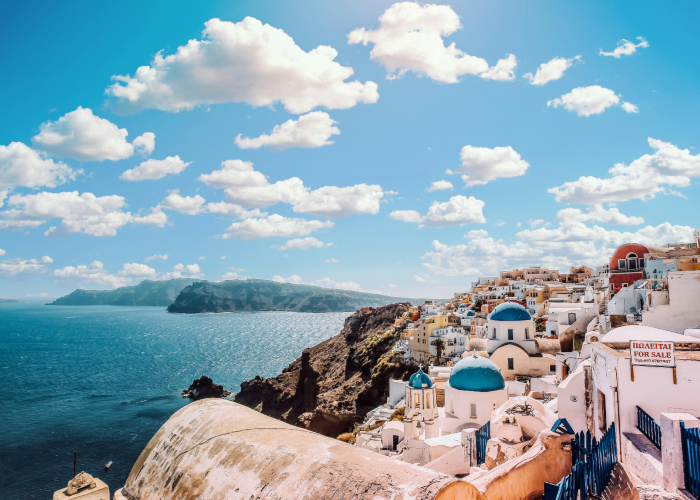
Let’s face it, you’ve seen the images. Cascade of white buildings cascading down a cliffside, crowned with brilliant blue domes and overlooking a deep blue sea. Santorini is the postcard come to life. But this iconic Greek island is so much more than just a pretty face. It’s a place of dramatic volcanic history, incredible wines, and sunsets that truly live up to their legendary status.
Planning a trip can feel overwhelming.
Where should you stay? How can you avoid the crowds? Is it worth it? This guide removes the confusion and gives you the real, actionable advice you need to plan an unforgettable Santorini adventure.
Why Santorini?
A Volcano’s Beautiful Legacy. First, a bit of background. Santorini’s unique landscape is the result of a catastrophic volcanic eruption approximately 3,600 years ago. The center of the island collapsed into the sea, creating the massive caldera (a water-filled crater) you see today. The crescent-shaped island we call Santorini is just the rim of that ancient volcano. This geological wonder is the reason for the incredible cliffs, the unique colored beaches, and even the island’s world-famous Assyrtiko wine grapes that flourish in the volcanic soil.
Best time to visit: Finding your perfect season
Shoulder seasons (April-May & September-October):
This is the perfect window for most travelers. The weather is warm and sunny, ideal for exploring and hiking. The crowds from cruise ships are fewer, and prices for flights and hotels are more reasonable. The sea is warm enough for swimming by September and October.
Peak season (June-August):
Expect maximum sunshine, vibrant energy, and maximum crowds. The island is at its busiest, prices are at their highest, and the famous viewpoints are packed, especially at sunset. If you thrive on heat and buzz, this is your time. Just book everything far in advance.
Off-Season (November-March):
Many hotels and restaurants close during this period. While you’ll have the island mostly to yourself and prices are low, your experience will be limited. Some travelers love this quiet, authentic feel, but it’s not the Santorini of the postcards.
Where to stay: Picking your base
Your choice of town defines your Santorini experience.
Oia:
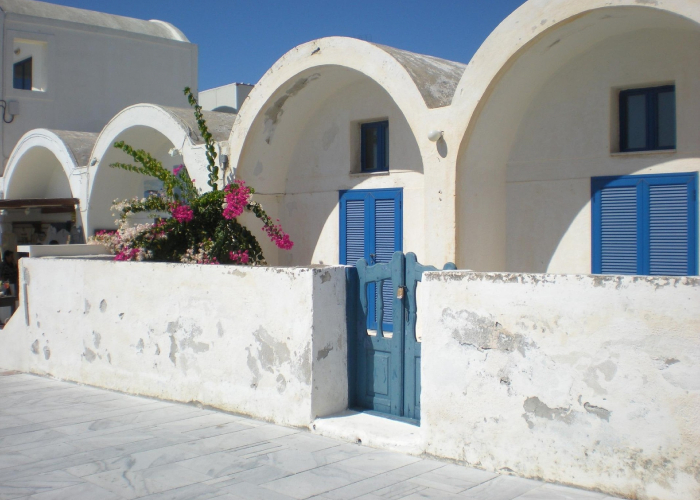
The poster child. If you dream of staying in a cave house with a caldera view and being steps away from the iconic blue domed churches, Oia is your place. It’s the most luxurious, most photographed, and consequently, the most crowded and expensive area. Perfect for honeymooners and splurgers.
Fira:
The island’s bustling capital. Fira is more central, has the best shopping and nightlife, and is a major transportation hub. The caldera views are still stunning, and you’ll generally find more variety and slightly better value than in Oia. It’s energetic and convenient.
Imerovigli: Often called the “Quiet Oia.”
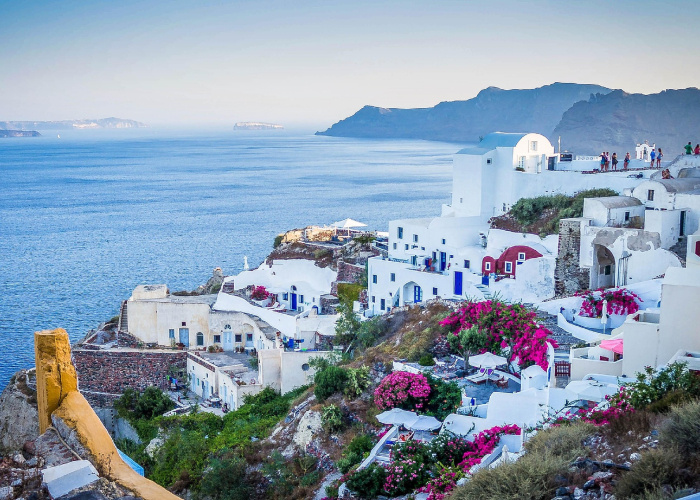
Perched on the highest point of the caldera cliff, Imerovigli offers arguably the most breathtaking panoramic views. It’s more tranquil than both Fira and Oia, filled with luxury hotels and is perfect for a serene, romantic escape. It’s also a great starting point for hikes.
For budget travelers & beach lovers:
Look beyond the caldera. Towns like Perissa and Kamari offer long, black sand beaches, a more relaxed vibe, and significantly more affordable accommodations. You’ll need to rely on buses or ATVs to see the famous caldera sights, but you get a different, equally wonderful side of Santorini.
Must do experiences: Beyond the instagram shot
- Chase the sunset (Beyond Oia):
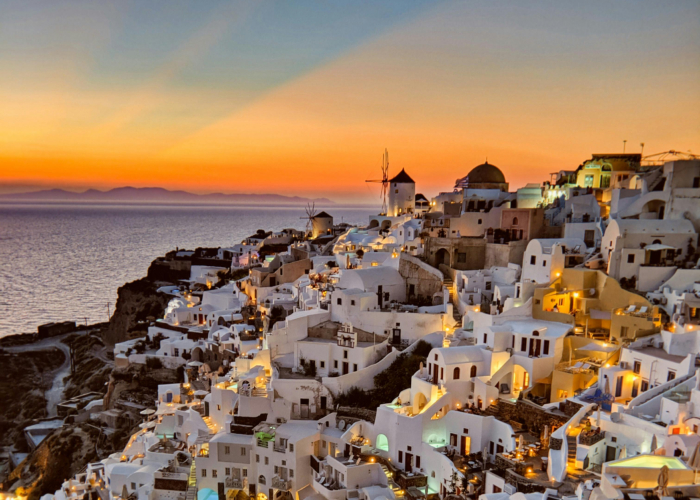
Yes, the Oia castle sunset is famous for a reason, but it’s a claustrophobic spectacle. For a more personal experience, watch it from the Skaros Rock in Imerovigli, from a caldera-view restaurant, or best of all, from a traditional wooden sailboat on a sunset cruise.
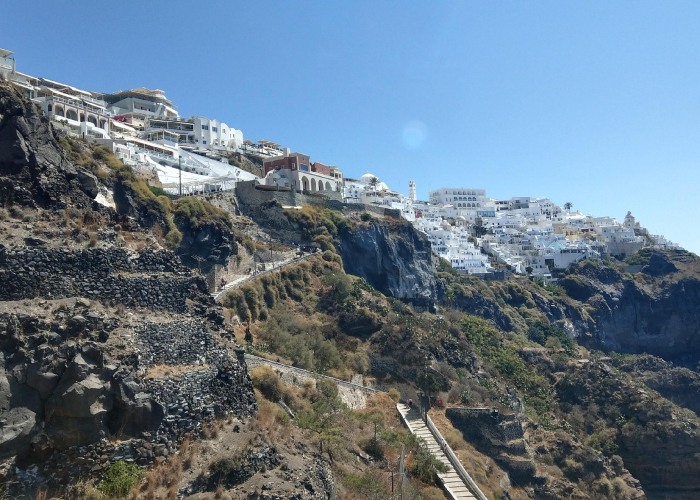
- Hike from Fira to Oia:
This is arguably the best thing you can do on the island. The 10 kilometer cliff top path offers staggering, uninterrupted views of the caldera the entire way. Start early in the morning to avoid the heat, wear good shoes, and bring water. You’ll earn that giant Greek salad afterwards.
Explore the unique beaches:
Forget white sand. Santorini’s beaches are a geological wonder.
Red beach:
Accessible by a short path (check for stability), the dramatic red cliffs are a stunning sight.
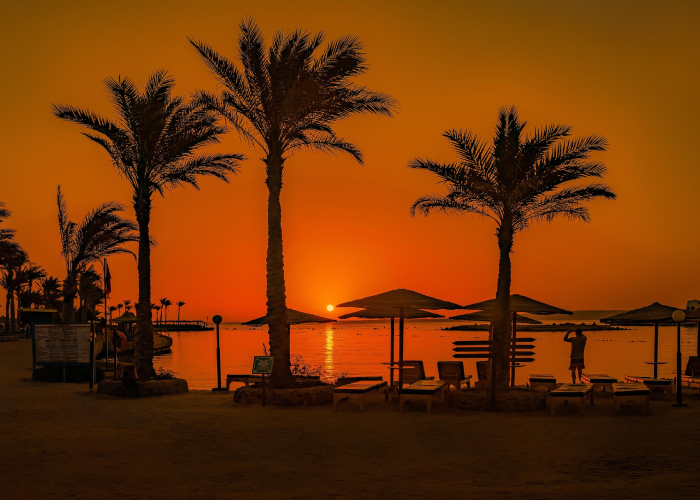
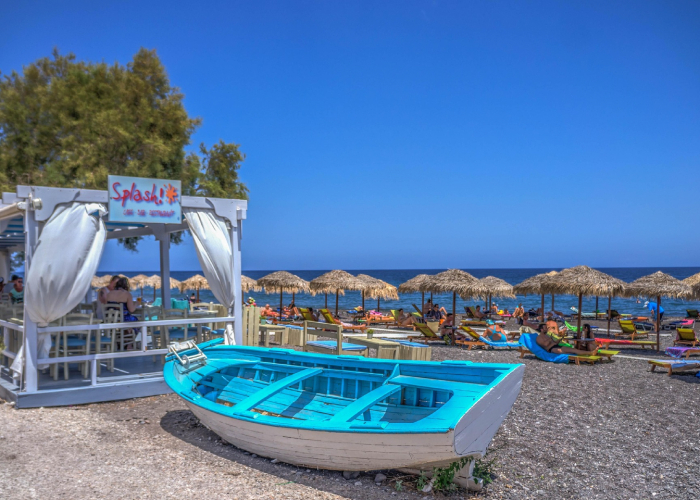
Perissa & Kamari:
The famous black sand beaches, lined with sunbeds, beach bars, and restaurants. Perfect for a full day of relaxing.
Vlychada:
Known for its extraordinary white volcanic cliffs sculpted by the wind, giving it a moon-like landscape.
Delve into history at akrotiri:
Step back in time at this incredibly well preserved Minoan Bronze Age settlement, often called the “Minoan Pompeii.” It was buried by the volcanic eruption, which also preserved it. Walking on the raised pathways above the ancient streets is a humbling experience.
Savor the wine:
Santorini’s winemaking is unique due to the volcanic soil. Don’t leave without trying the crisp, dry Assyrtiko white wine. Visit a winery for a tasting Santo Wines (for the incredible view), Venetsanos, and Domaine Sigalas are fantastic choices.
Wander lost in pyrgos:
While everyone flocks to Oia, the former capital of Pyrgos often flies under the radar. It’s a beautiful, more traditional village with a Venetian castle, winding pathways, and fantastic 360 degree views from its summit with fewer crowds.
Getting around the Island
ATV/Quad bike:
The most fun and popular way to explore. It gives you ultimate freedom to zip between beaches and towns. Perfect for couples.
Car rental:
Essential if you want to explore the entire island thoroughly and on your own schedule, especially if you’re staying outside Fira. Book in advance for peak season.
Local bus:
The KTEL bus system is very affordable and connects all the major towns and beaches reliably. It’s a great budget option, but be prepared for crowds during busy times.
Taxis & Rideshares:
Readily available but can be expensive. Good for point to point trips if you’re not renting a vehicle.
Santorini on a plate: What to eat
Your culinary journey is just as important.
Fava:
Not the yellow split peas you know, but a delicious, creamy purée made from yellow split peas, served with onions and capers. A must try starter.
Tomato keftedes:
Santorini’s cherry tomatoes are famous. These are delicious fried tomato fritters, crispy on the outside and soft inside.
Fresh seafood:
Obviously. Try the grilled octopus or sea bass.
White eggplant:
Sweeter and less bitter than its purple cousin, it’s a local specialty.
Domatokeftedes:
Similar to the tomato version, these are fried fritters made with tomatoes and herbs.
Insider tips for a better trip
Book early:
Especially for caldera view hotels and popular restaurants. They sell out months in advance.
Pack smart:
Leave the heels at home. The paths are cobblestone and steep. Comfortable walking shoes, sandals, and smart casual resort wear are the way to go.
Stay hydrated:
The sun is intense, and you’ll be walking a lot. Always carry a bottle of water.
Explore in the morning & evening:
The midday sun in summer is brutal. Plan your sightseeing and hikes for early morning, then relax by the pool or beach in the afternoon before heading out again for the evening.
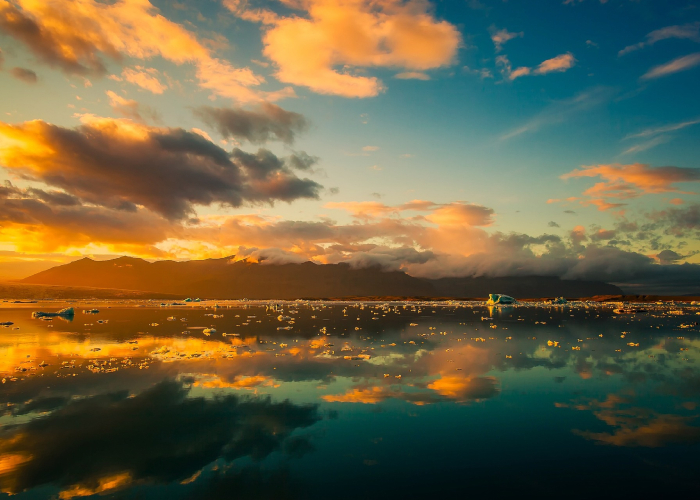
Make dinner reservations:
For any restaurant with a caldera view, a reservation is non negotiable if you want a prime spot for sunset.
- Santorini is a dream destination for a reason. With a little planning and by venturing just beyond the main sights, you’ll discover an island of profound beauty, incredible flavors, and moments of pure magic that will stay with you long after your tan has faded.