
There are places in the world that are just written about in history books, and then there are places where history is still alive, almost whispering in the wind. Delphi, in Greece, is definitely the latter. It sits on the slopes of Mount Parnassus, with a stunning view of the Pleistos Valley and the Gulf of Corinth. This isn’t just an old ruins place. For hundreds of years, it was the center of the ancient world, a spot so sacred that people believed it was the center of the universe — the omphalos, or navel, of the world. For anyone who loves history, myths, or just beautiful places, visiting Delphi feels more like a spiritual journey than a regular trip. This guide will help you understand why this place continues to capture hearts and minds.
The heart of the ancient world: The Oracle and the Sanctuary
Understanding Delphi means understanding its deep spiritual role. At its core was the Oracle, the most important source of prophecy in the ancient world. Kings, generals, and everyday people would travel long distances to get advice from the Pythia, the priestess of Apollo who spoke as the god’s voice. The process was not easy. Visitors had to purify themselves at the Castalian Spring and bring gifts to get an audience. The Pythia would sit over a hole in the ground that gave off strange vapors, causing her to go into a trance. Her often mysterious words were then explained by priests, and these prophecies could change the course of empires. A city deciding to go to war, or someone seeking a new home — everything depended on what the Oracle said on this mountain side.
Exploring the Archaeological site: A Step-by-Step journey
Walking through Delphi today is a powerful and immersive experience. It’s best to take your time and walk the same Sacred Way that ancient pilgrims once traveled.
The Roman agora:
Your journey starts here, the main entrance for later visitors to the sanctuary, showing how much Rome respected this Greek holy place.
The Sacred way:
This winding marble path leads you uphill, with the ruins of Treasury Houses on either side. These buildings were built by different city-states to keep their offerings and show their wealth and power. The most impressive is the partially rebuilt Athenian Treasury, a symbol of Athenian pride.
The temple of Apollo:
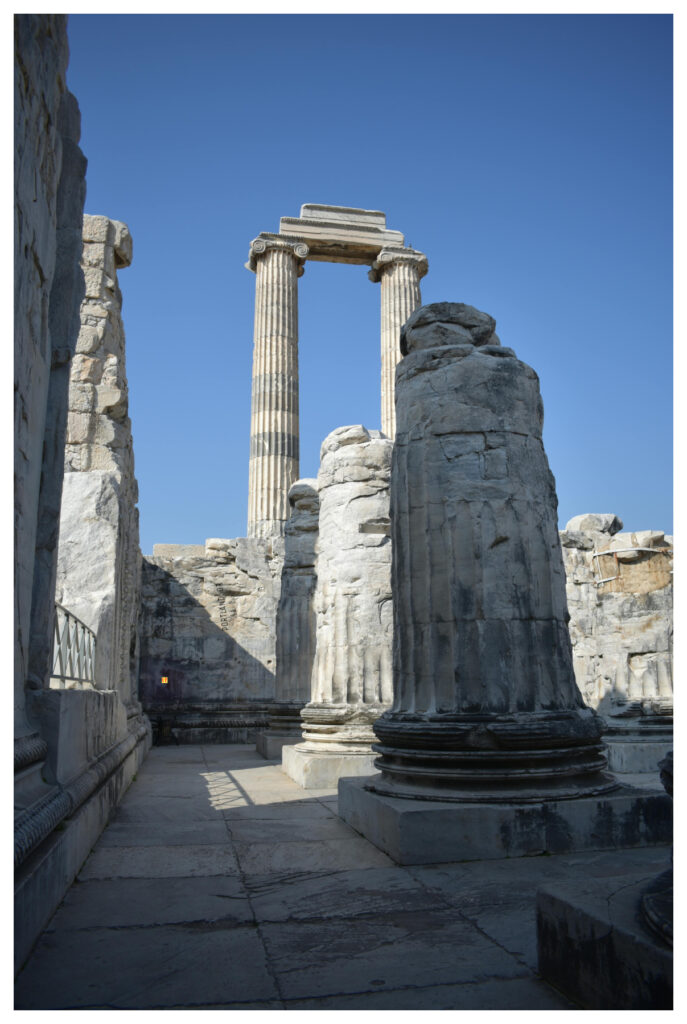
The center of the entire sanctuary. Even though only a few Doric columns remain standing, you can feel the size and grandeur of the temple where the Pythia delivered her prophecies. Inscribed on the walls are famous sayings like “Know Thyself” and “Nothing in Excess,” key ideas in ancient Greek thought.
The ancient theatre:
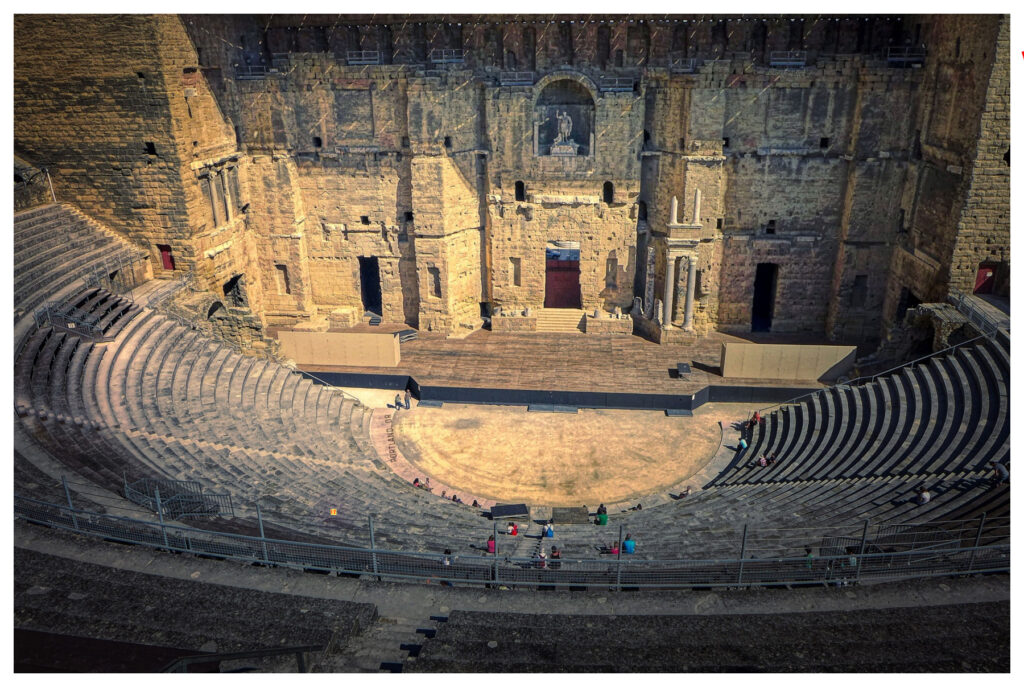
Carved into the hill above the temple, the theatre offers more than just a look into ancient culture — it once held musical contests during the Pythian Games. It also gives one of the best views in Greece. Sitting in the seats and looking over the entire sanctuary and valley below is a moment you won’t forget
The stadium:
For those who like to move, a climb further up leads to the well-preserved stadium. This was where the athletic events of the Pythian Games took place, as important as the Olympics. Standing on the starting line, you can almost hear the crowd cheering.
The Sanctuary of Athena Pronaia: The photo you recognize
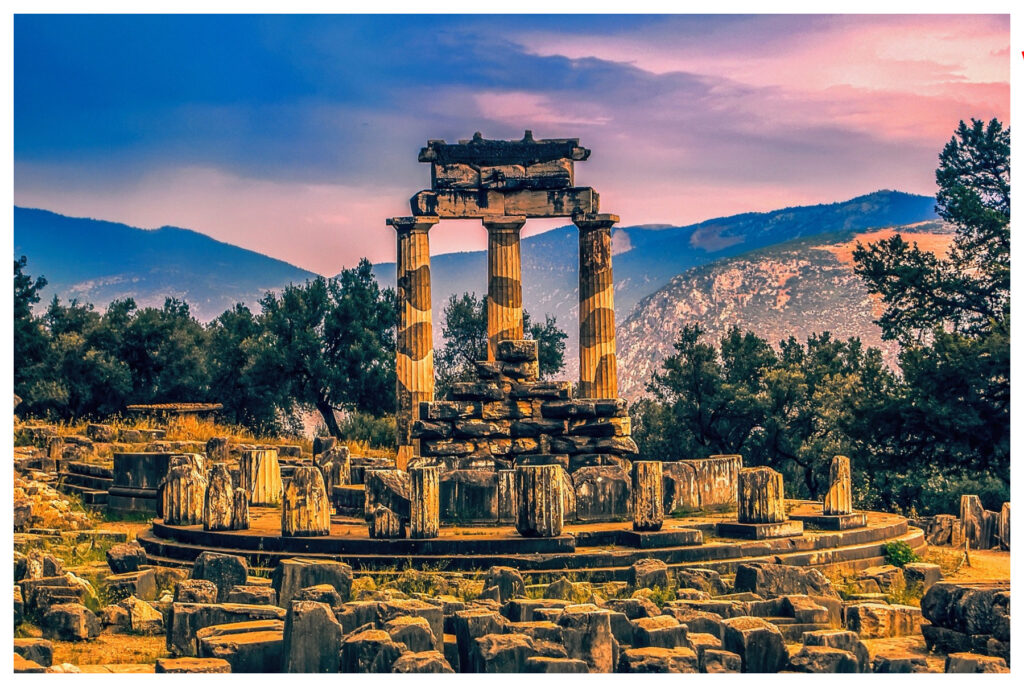
A short walk down the main road from the main site is the Tholos, an image that is now familiar with Delphi. Located in the Sanctuary of Athena Pronaia (Athena “Before the Temple”), this circular building is one of the most elegant and photogenic ruins in Greece. The three restored Doric columns against the mountain and valley background make for a perfect harmony of space. It’s a must-see and a dream for photographers
The Delphi archaeological museum: Bringing the stones to life
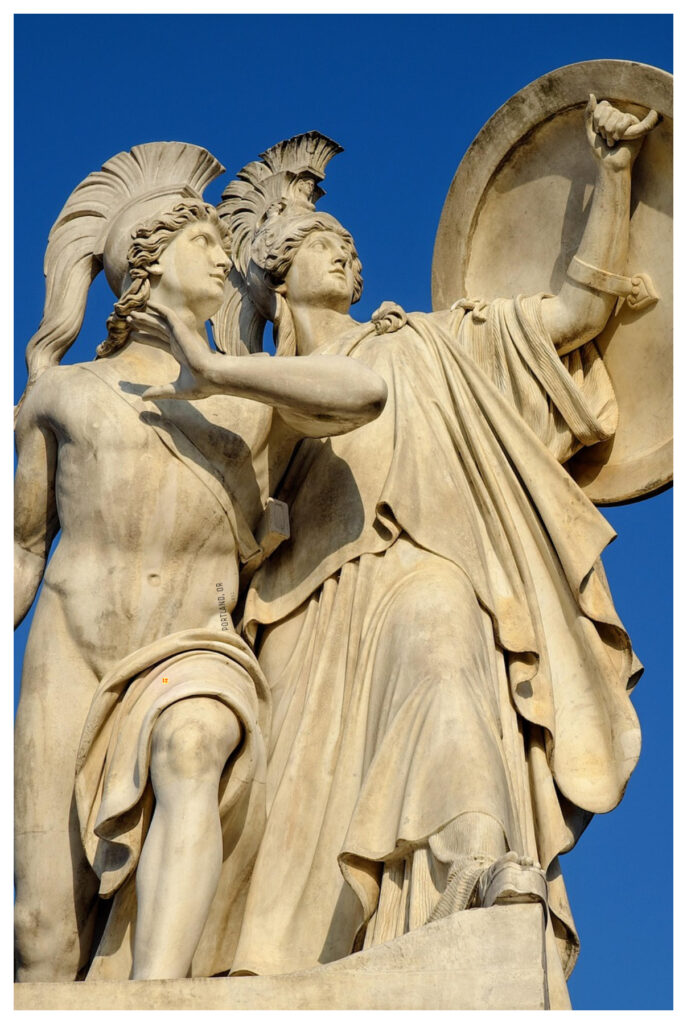
Do not miss the museum. It is an essential part of the experience, home to the amazing artifacts found at Delphi. These statues and gifts are not just old things — they are real proof of Delphi’s power and importance. Key highlights include the Sphinx of Naxos, a mysterious and large piece of art; the Frieze of the Siphnian Treasury, showing scenes from mythology; and the Charioteer of Delphi, a famous bronze statue that has survived for over 2,500 years. The lifelike eyes, made with glass, and the detailed folds of his robe capture a moment of quiet victory, frozen in time.
Planning pour Pilgrimage: Practical travel tips
Getting there:
Delphi is about a 2.5 to 3-hour drive from Athens. Renting a car is the most flexible option, but there are also organized day trips and comfortable coach services.
Best Time to visit:
Spring (April-May) and Autumn (September-October) offer good weather — warm enough to walk around without the heat of summer and the crowds.
Tickets:
A combined ticket gives access to both the site and the museum. Buy it online during busy times to skip the long lines.
What to wear:
Comfort is important. You’ll be walking a lot, mostly uphill. Wear sturdy, comfortable shoes and bring a hat, sunscreen, and plenty of water, especially in the summer.
Where to stay:
The modern village of Delphi is close to the site and has charming hotels with great views of the valley. Staying overnight lets you visit the site early in the morning or late in the afternoon, avoiding the crowds and enjoying the magic in a calmer atmosphere.
Beyond the ruins: The modern magic of Delphi
The Modern Magic of Delphi The magic of Delphi continues beyond the museum doors. Sit in a café in the modern village and watch the sunset paint the valley with shades of gold and orange. The light here has a special feel, a clarity that seems to shine not just on the landscape, but also on the soul.

- Delphi is more than just ruins of temples and statues. It’s a place that makes you think deeply. It’s where humans once tried to understand big questions—about fate, destiny, and where we fit in the universe. Walking the Sacred Way and standing where the Oracle once spoke is like connecting with a part of human history that still feels powerful today. It’s a journey to the heart of the ancient world, and in many ways, a journey to the heart of yourself.
One Response