
The Greek islands are renowned for their breathtaking sunsets, charming white-washed villages, and lively nightlife. Just a short boat ride away from the allure of Mykonos lies a place that feels like an entirely different world. Welcome to Delos, Greece—a barren, rocky island that echoes with the profound, silent remnants of a civilization that shaped the Western world. This isn’t just a regular archaeological site. Delos is an open-air museum, a UNESCO World Heritage Site, and according to ancient myth, the sacred birthplace of the twin gods Apollo and Artemis. Walking its paths is like stepping directly into the heart of this legendary destination.
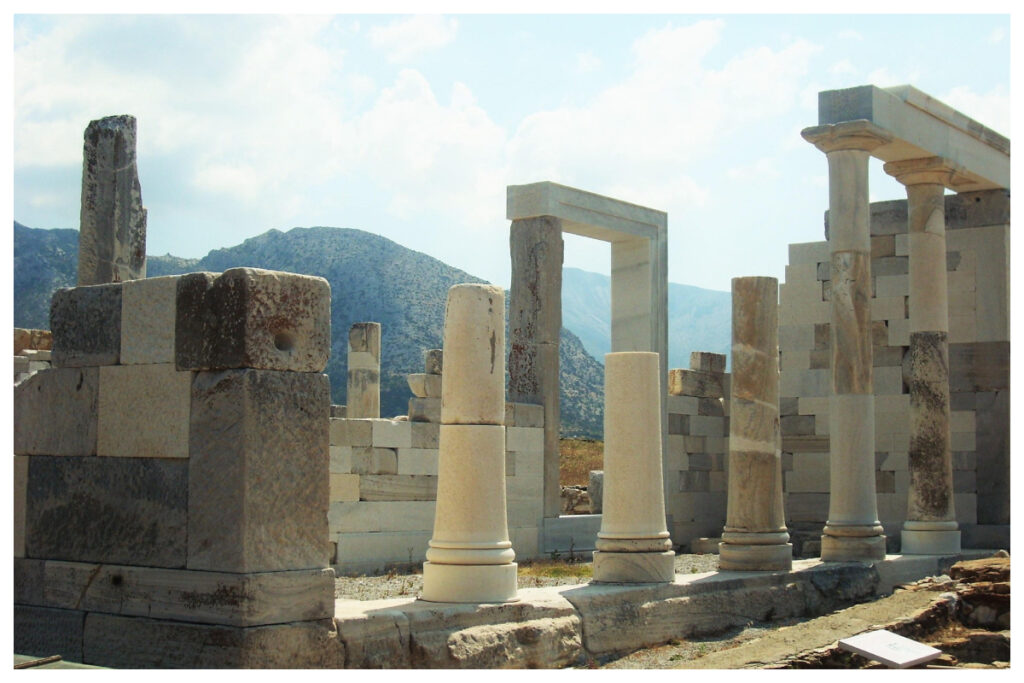
The myth that made an Island sacred
Before you see the stones, you must understand the story. In Greek mythology, the goddess Leto, pregnant with twins by Zeus, was relentlessly pursued by a jealous Hera. Leto could find no safe haven to give birth—until she discovered the floating, rocky island of Delos. Struck by a deal, the island agreed to anchor itself to the seabed in exchange for the honor of hosting the birth of the gods. Here, Leto gave birth to Apollo, the god of the sun, light, music, and prophecy, and his twin sister Artemis, the goddess of the hunt and the moon. This divine event transformed Delos from a forgotten rock into one of the most important religious sanctuaries in the ancient Greek world. For centuries, it was so sacred that no one was allowed to be born or die on its soil.
A journey through the archaeological marvels
Stepping onto Delos today, you are greeted by a sprawling landscape of ruins. It can be overwhelming, but each stone tells a story of power, piety, and commerce
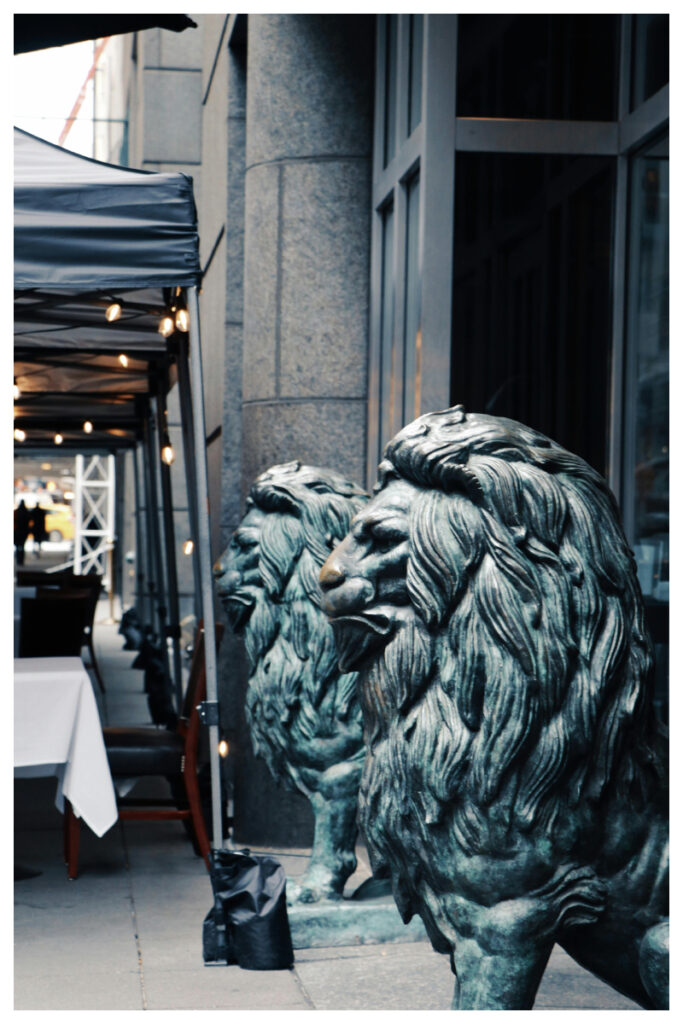
The terrace of the lions
The most iconic image of Delos, after 2,500 years, still stands guard. This row of majestic marble lions was dedicated to Apollo by the people of Naxos around 600 BC. Originally numbering between 9 and 16, these sleek, fearsome beasts symbolically protected the sacred site. The ones you see are replicas, with the originals housed in the nearby museum to protect them from the elements.
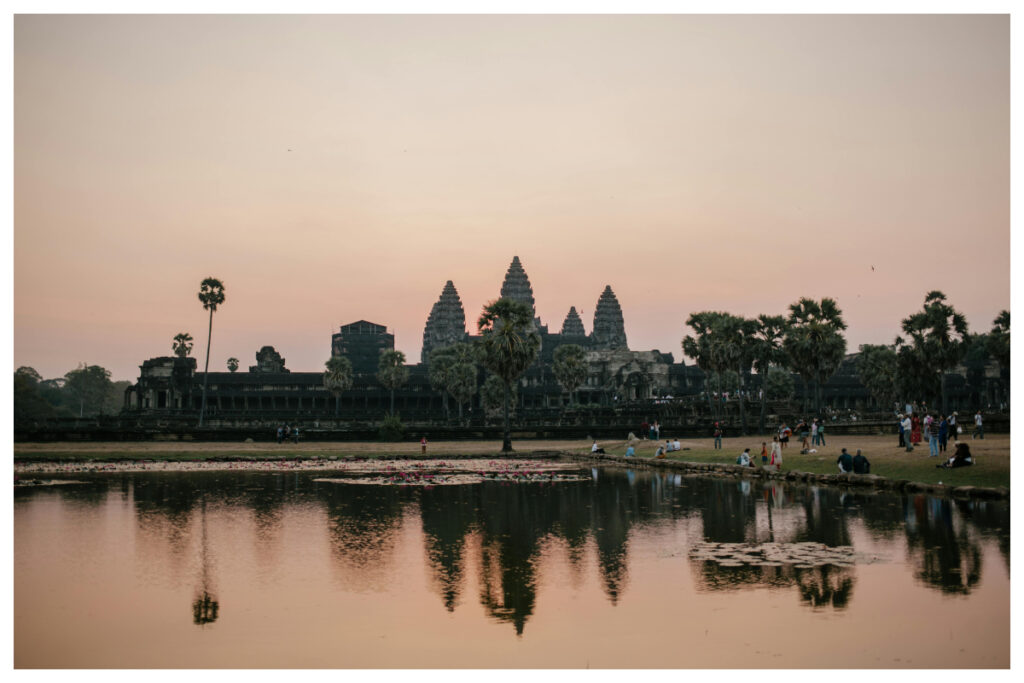
The Sacred lake and the palm tree
Just beyond the lions lies the dry basin of the Sacred Lake. This was the very spot where Leto was said to have given birth to Apollo, clutching a palm tree. While the lake is now drained to combat malaria-bearing mosquitoes, a single palm tree has been replanted to mark this holiest of locations. Standing here, you are at the very core of the island’s mythical identity.
The house of Dionysus and the mosaic floors
Delos wasn’t only a religious center; it was also a thriving commercial hub. As you wander through the Theater Quarter, you’ll find the ruins of lavish houses built by wealthy merchants. Don’t miss the House of Dionysus, named for the stunning mosaic floor depicting the god Dionysus riding a panther. These intricate mosaics, preserved with incredible detail, offer a glimpse into the opulent daily lives of the island’s elite.
The grand avenue and the Agora
Walking the main thoroughfare, you can almost hear the buzz of ancient life. The Agora (marketplace) was the commercial heart of the Mediterranean, where traders from across the known world would deal in spices, silks, and slaves. The scale of the ruins here underscores Delos’s immense economic importance before its decline.
The archaeological museum of Delos
A visit to the museum is non-negotiable. It provides crucial context and houses an incredible collection of artifacts excavated from the site. Here, you’ll find the original Lion statues, delicate pottery, stunning sculptures of gods and goddesses, and everyday objects that paint a vivid picture of life in ancient Delos.
Essential travel tips for your visit
A trip to Delos requires a bit of planning. It’s an exposed site with few comforts, but the experience is worth every bit of preparation
Getting there:
The only way to reach Delos is by boat. Ferries depart daily from the old port of Mykonos Town. The journey takes about 30-45 minutes. Be sure to check the return timetable as there are no overnight stays on the island.
Best time to visit:
To avoid the intense midday heat, aim for the first ferry of the day in the morning. Spring (April-May) and Autumn (September-October) offer the most pleasant temperatures for exploring.
What to bring:
This is crucial. Pack sturdy walking shoes, a wide-brimmed hat, high-protection sunscreen, and plenty of water. There is very little shade on the island, and the rocky paths are uneven. A light snack is also a good idea.
Guided tour vs. Solo exploration:
While you can explore on your own, the site is vast and lacks extensive signage. Hiring a licensed guide or purchasing a detailed guidebook at the entrance will dramatically enrich your understanding of what you’re seeing.
Admission and Hours:
There is an entrance fee for the archaeological site and museum. Always check the official opening hours for the day of your visit, as they can change with the seasons.
The rise and fall of a powerhouse
At its peak, Delos was a cosmopolitan and wealthy free port. But its success also led to its downfall. In 88 BC, the island was attacked by enemies of Athens, leading to a massacre that shattered its population and prestige. Later, in 69 BC, another attack by pirates virtually abandoned the island. Plundered for its marble and artifacts over the centuries, Delos was eventually left to the elements.This decline, however, is what preserved it as a time capsule, untouched by modern development.

Why Delos is an unforgettable experience
Visiting Delos is not a relaxed beach day. It is a challenging, awe-inspiring journey. You come here not for comfort, but for connection. To stand where ancient Greeks believed their gods were born, to walk the same streets as merchants and priests, and to witness the enduring power of human civilization against a stark, beautiful landscape. It is a profound reminder that long before the nightclubs of Mykonos, this small, rocky island was the true star of the Cyclades—not just a place of divine light and immense power
.
Example
So, when you plan your trip to the Greek islands, make room for Delos. It is an encounter with history that you will carry with you long after your tan has faded.
One Response