
There’s a certain enchantment in the air in Rome, Italy. It’s not solely found in the grand, picture-perfect sights. It’s in the warm, golden light that falls over ancient cobblestones in the late afternoon. It’s in the symphony of Vespa engines and lively Italian conversations that echo off Baroque facades. It’s in the simple, perfect taste of a morning cappuccino at a local bar. Rome, Italy, is a city that feels both magnificently grand and surprisingly intimate, a place where over two thousand years of history live not behind glass, but in the very fabric of daily life. This guide is here to be your trusted companion in navigating the glorious chaos and timeless beauty of Rome, Italy. We’ll cover the iconic landmarks you’ve dreamed of, but we’ll also help you discover the quiet piazzas and local trattorias that make a trip to Rome, Italy, truly unforgettable.
The pillars of empire:Ancient Rome, Italy
To understand Rome, Italy, you must start with its ancient heart. This is where the story of an empire that shaped the Western world began.
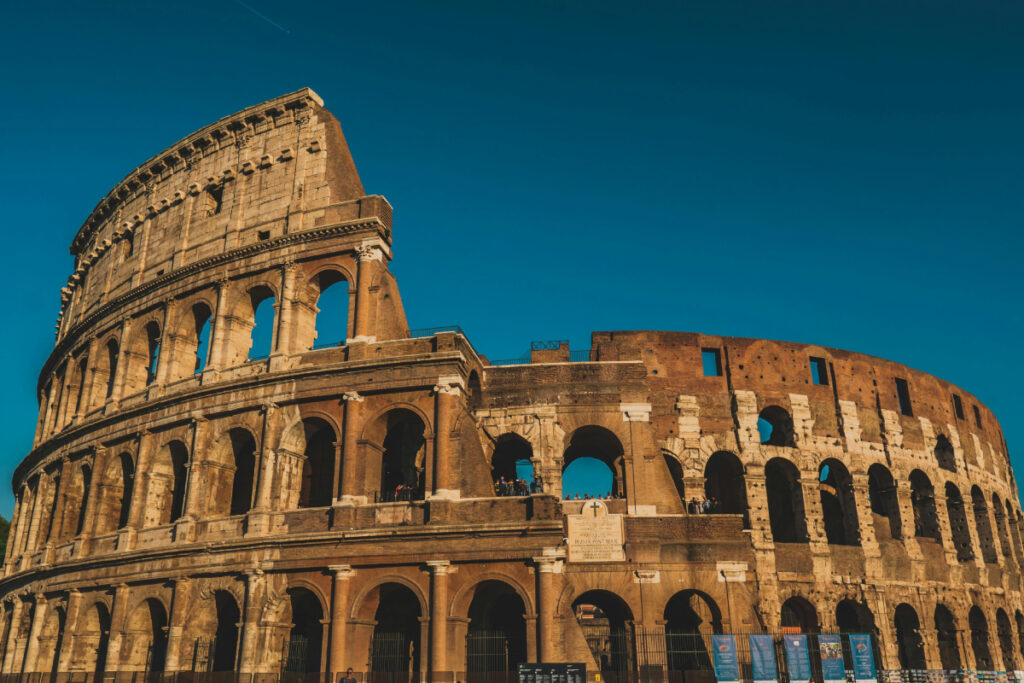
The colosseum: Step into the Arena
Standing before this monumental amphitheater is a rite of passage for any visitor to Rome, Italy. To go beyond the spectacle, book a tour that includes the underground hypogeum. Walking through the tunnels where gladiators prepared for battle adds a powerful, human dimension to the stone.
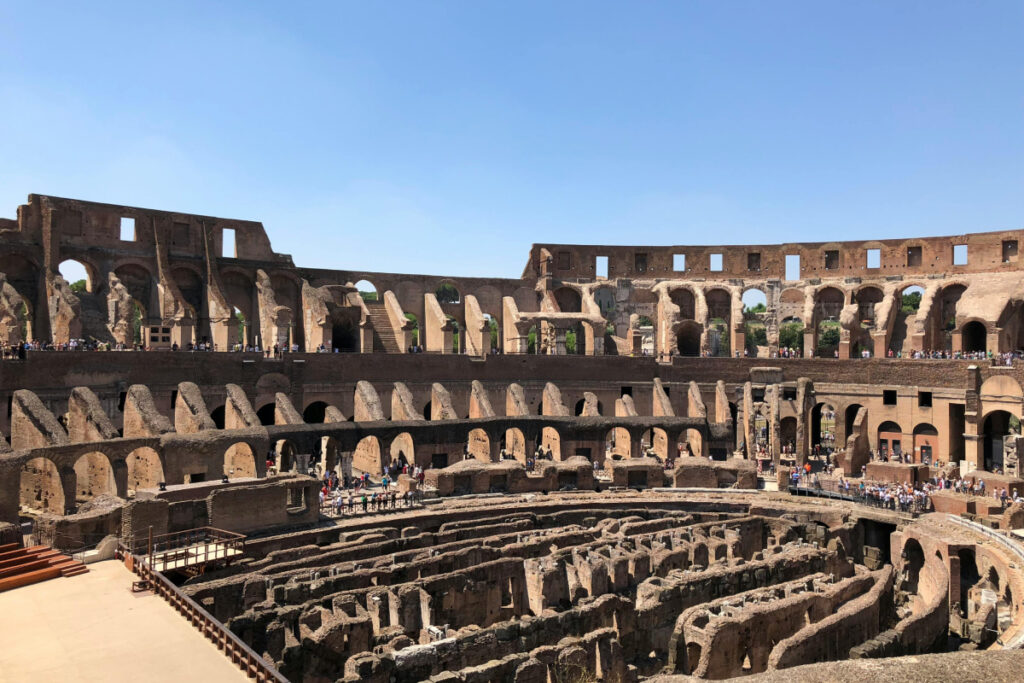
The Roman Forum & Palatine hill: The center of the world
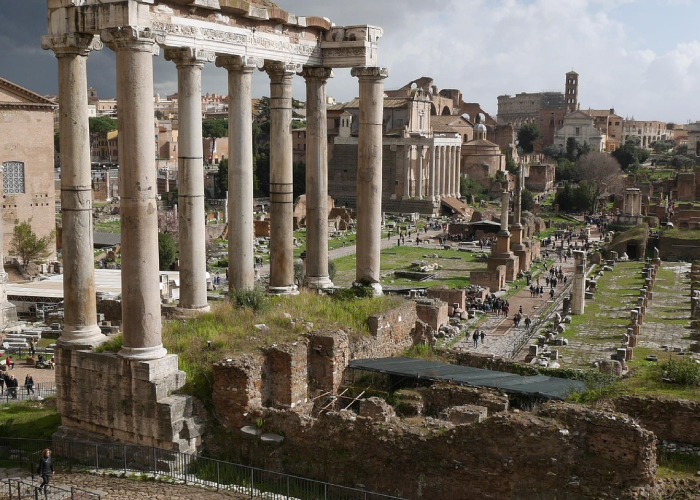
Just a short walk from the Colosseum, the Roman Forum was the bustling core of public life in ancient Rome, Italy. It’s a sprawling complex of ruined temples and basilicas. Climb the nearby Palatine Hill, the birthplace of the city according to legend, for breathtaking views and a moment of peace amidst the ruins of imperial palaces.
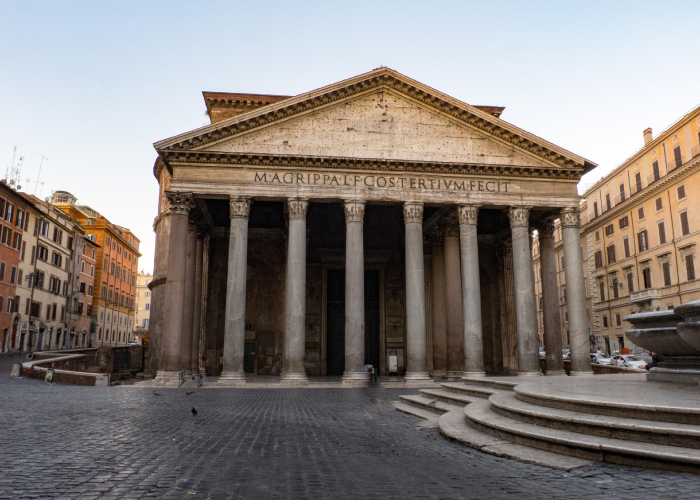
The Pantheon: A miracle in concrete
The grandeur of the Pantheon is almost impossible to process. Its massive, unsupported dome still the world’s largest of its kind testifies to Roman engineering genius. Step inside and watch the beam of light from the oculus travel across the marble floor. It’s a humbling and free attraction in the heart of Rome, Italy.
The Vatican city: A sovereign state within Rome, Italy
A day dedicated to the Vatican is a journey into a realm of unparalleled artistic and spiritual significance, all contained within the city of Rome, Italy.
St. Peter’s basilica: A monument to faith
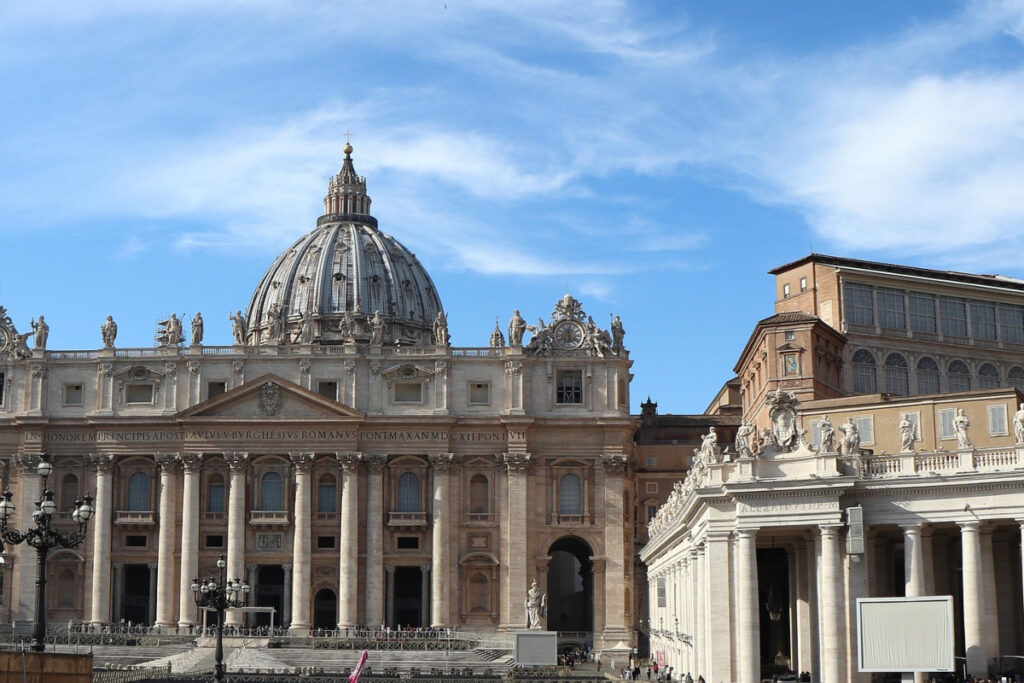
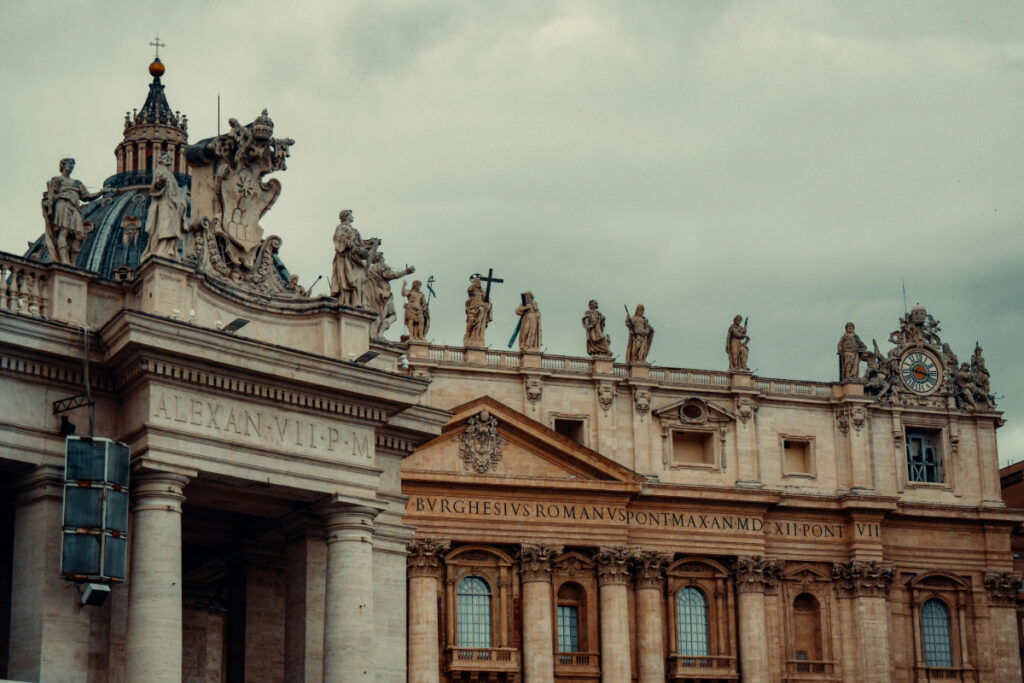
The scale of this church is staggering. From the vastness of St. Peter’s Square to the intricate details of the interior, it’s designed to overwhelm the senses. Don’t miss Michelangelo’s moving “Pietà” and the climb to the top of the dome for a panoramic view of Rome, Italy, that is worth every step.
The Vatican museums & Sistine chapel: An artistic pilgrimage
The collections here are vast, but the journey culminates in the Sistine Chapel. Gazing up at Michelangelo’s ceiling, particularly the iconic “Creation of Adam,” is a moment that stays with you forever. Crucial Tip: Booking “skip-the-line” tickets online weeks in advance is non negotiable. An early morning tour is your best bet for a slightly less crowded experience.
The Rome, Italy you fall in love with: Neighborhoods & Piazzas
The true soul of Rome, Italy, is often found when you wander away from the main tourist trails and into its charismatic neighborhoods.
Trastevere: The Picture Perfect heart
Cross the Tiber River to find one of the most enchanting areas of Rome, Italy. By day, Trastevere is a maze of ivy-draped, ochre colored buildings and washing lines strung across narrow lanes. By night, it pulses with energy, as its countless trattorias and bars spill out onto the cobblestones
The Trevi fountain & The spanish steps: Baroque brilliance
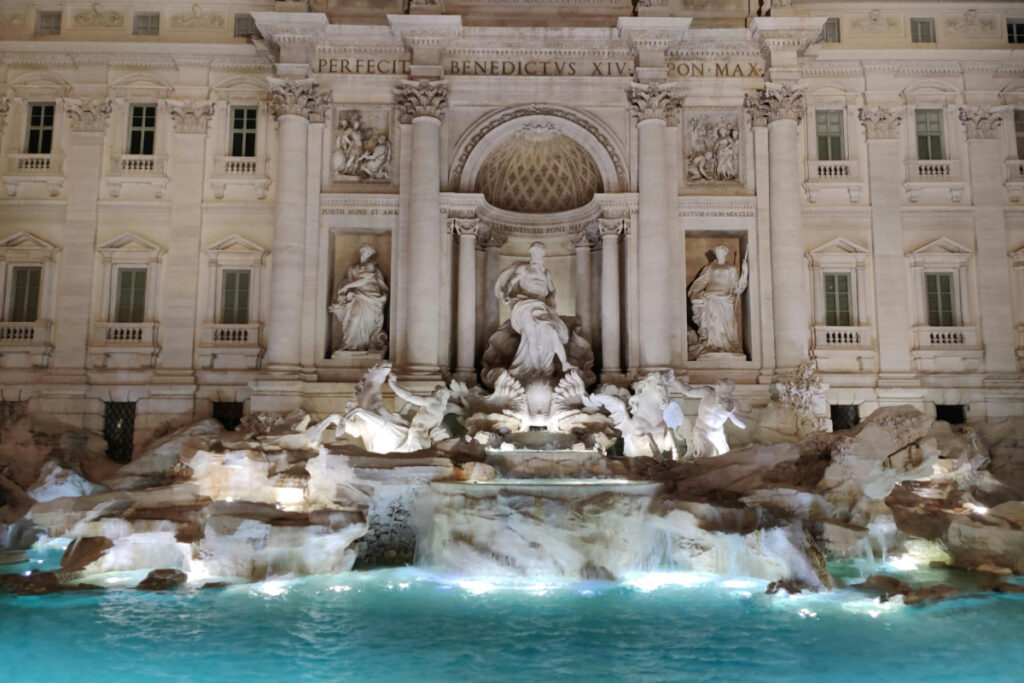
The Trevi Fountain is even more magnificent in person than in photographs. For a magical experience, visit late at night when the crowds thin and the lighting is dramatic. Then, make your way to the Spanish Steps, a popular meeting point and the perfect spot for a restful pause.
The Jewish Ghetto: A tale of strength.
Just a short walk from the Campo de’ Fiori market, the Jewish Ghetto in Rome, Italy, is one of the oldest in the world. It is a peaceful, meaningful neighborhood with a rich history. It also has some of the city’s most special and tasty foods, like fried artichokes, called carciofi alla giudia.
Piazza navona: Rome’s favorite spot.
This long and elegant square is a highlight of Baroque Rome. At the center is Bernini’s amazing Fountain of the Four Rivers, surrounded by cafes and street performers. It’s a great place to sit and enjoy the Roman ambiance.
A taste of Rome, Italy: A food guide.
The food in Rome is all about using simple, high quality ingredients. The key is to eat like a local.
The four classic Roman pastas:
Every visit to Rome should include these famous pasta dishes: Cacio e Pepe (cheese and black pepper), Carbonara (eggs, cheese, guanciale, and pepper), Amatriciana (tomato, guanciale, and cheese), and Gricia (guanciale and cheese).
Pizza al taglio vs Pizza tonda:
For a quick lunch, get a slice of pizza al taglio. For dinner, try a thin crust pizza tonda at a good pizzeria.
The aperitivo tradition:
Join Romans between 6 PM and 8 PM for aperitivo. Order a cocktail like an Aperol Spritz or a glass of wine, and enjoy a free food buffet. It’s a great way to start the evening.
Gelato: How to find the real thing.
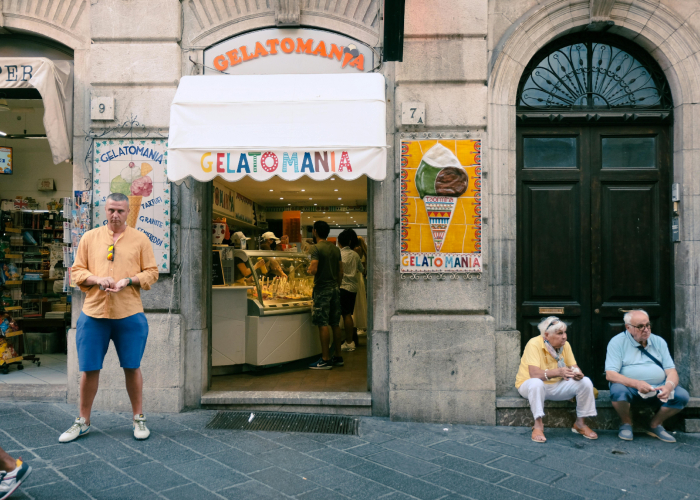
Avoid gelato that looks too colorful and is too full. True, handmade gelato in Rome is often kept in metal tins with flat lids and comes in more natural, muted colors.
Planning your perfect trip to Rome, Italy.
A bit of careful planning can make your trip smooth and enjoyable.
Creating your Rome itinerary:
- Three days in Rome: Visit the main sights like Ancient Rome (Colosseum, Forum), the Vatican, and walk through the historic center (Pantheon, Trevi, Trastevere).
- Five days in Rome: This gives you more time to explore. Add a food tour, visit areas like the Jewish Ghetto and Testaccio, and check out the Borghese Gallery (book your tickets ahead).
Where to stay in Rome, Italy:
New visitors should stay in the Historic Center for easy walking. Trastevere is great for nightlife, Prati is elegant and peaceful near the Vatican, and Monti is a trendy, central neighborhood with a village vibe.
Getting around Rome, Italy:
The city is very walkable. The Metro is good for connecting major places like the Colosseum to the Vatican. Buses and trams cover other areas. Always check your ticket on the train to avoid a fine.
When to visit Rome, Italy:
The best times are during the shoulder seasons April to June and September to October. The weather is nice, and there are fewer crowds than in the busy summer months.
- Rome, Italy, is a city that wants you to slow down. It rewards those who take time to sit in a sunny square, wander through a quiet street, and enjoy each bite and moment. It’s a city you’ll want to return to, as the old saying goes Roma, ritorno, to Rome, I will return.
7 Responses