
Let’s be honest. You’ve seen the pictures. The terracotta tiled dome that towers over the skyline, the gracefully curved arches of the Ponte Vecchio, and the sunny hills of Tuscany in the distance. But Florence is more than just a picture. It’s a feeling. It’s the sound of footsteps on old cobblestone streets that have been walked for centuries, the smell of fresh leather and espresso in the air, and that big feeling that you’re walking through the world’s greatest open-air museum. This isn’t just a list of places to see; it’s your key to understanding the true heart of the Renaissance. We’re going to show you the must-see masterpieces, the unforgettable food, and the quiet spots where Florence really comes alive.
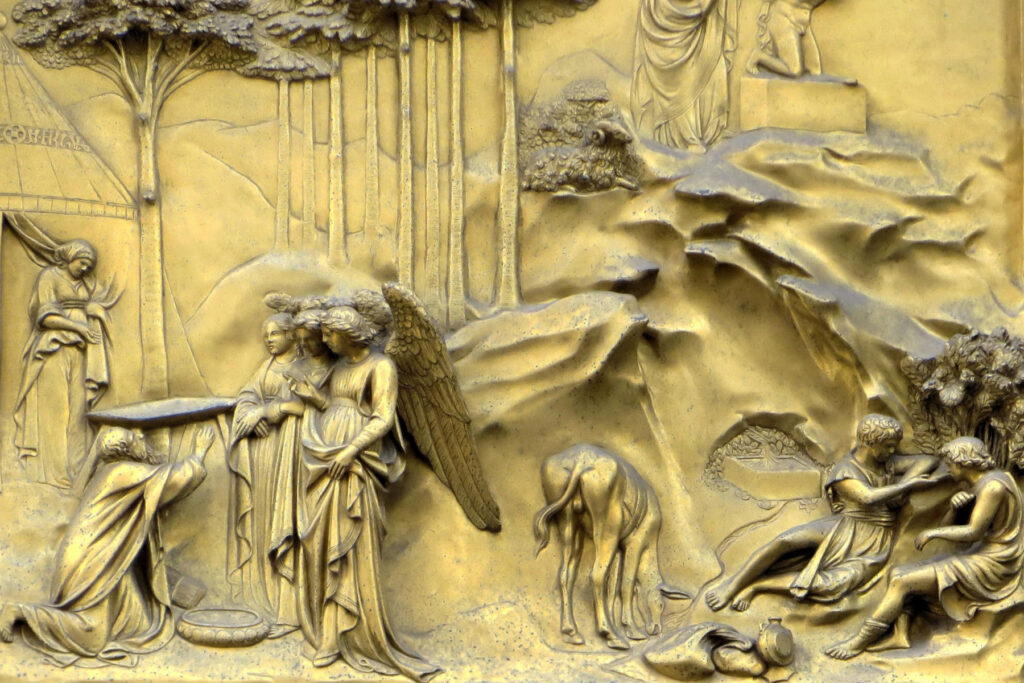
The heartbeat of the Renaissance: Art that will give you chills
You don’t have to be an art expert to feel the powr of Florence’s artistic history. The city is the birthplace of the Renaissance, and its treasures are everywhere.
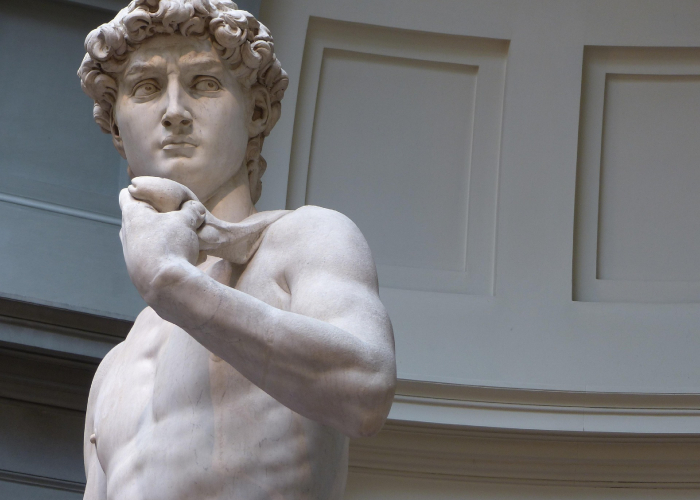
Accademia gallery: A special encounter with David
Yes, you have to see it. Walking into the Accademia and seeing Michelangelo’s David for the first time is a moment you’ll never forget. No photo can prepare you for the size, the detail, and the perfect beauty of this marble statue. The way the light hits the muscle on his leg, the intensity in his eyes it’s amazing. Tip: Book tickets online weeks or even months in advance. Skipping the long lines is the best thing you can do.
Uffizi gallery: A journey through masterpieces
The Uffizi can be overwhelming. Don’t try to see everything. Instead, focus on the main highlights. Stand before Botticelli’s “The birth of venus” and get lost in the dreamy beauty of the figures. Look at the dramatic emotion in Leonardo da Vinci’s “Annunciation.” Feel the raw power in Caravaggio’s “Medusa.” The hallways themselves, surrounded by ancient sculptures and overlooking the Arno River, are like a work of art. Tip: Hire a guide for a few hours. They can help you move through the crowds and tell you the stories behind the art.
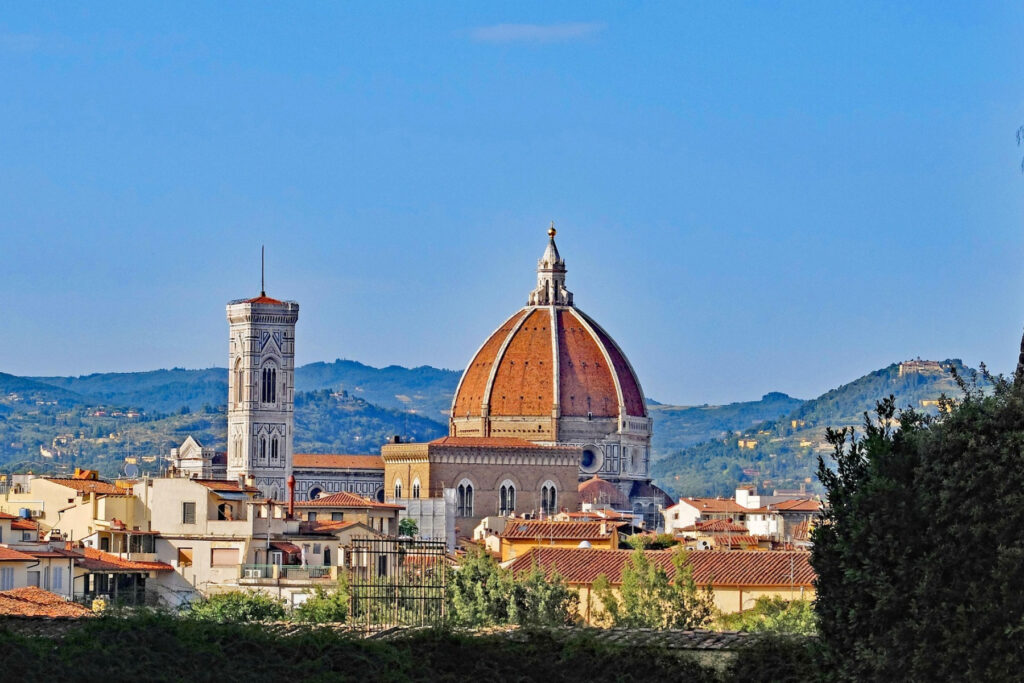
The Duomo: Climb up to the sky
The Cathedral of Santa Maria del Fiore, known as the Duomo, is Florence’s most famous landmark. The outside is a stunning mix of pink, white, and green marble. But the real adventure is the climb. You have two choices: Giotto’s Bell Tower for breathtaking views of the dome, or Brunelleschi’s Dome for a full 360 degree view from the top. The Dome climb is more famous and leads you up a narrow, steep staircase between the inner and outer layers of the dome, ending right under the amazing fresco of the Last Judgment. It’s a big challenge, but the view at the top is the best in Florence.
Beyond the museums:Living and breathing in Florence
Florence’s art isn’t only in galleries. It’s everywhere in the streets, the squares, and the daily lives of its people.
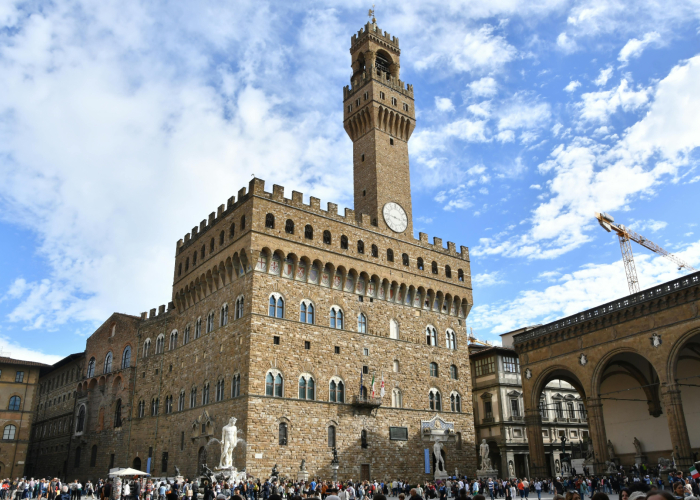
Piazza della signoria:
This is the city’s political center, an open air sculpture gallery with the tall Palazzo Vecchio. Get a gelato and watch the world go by.
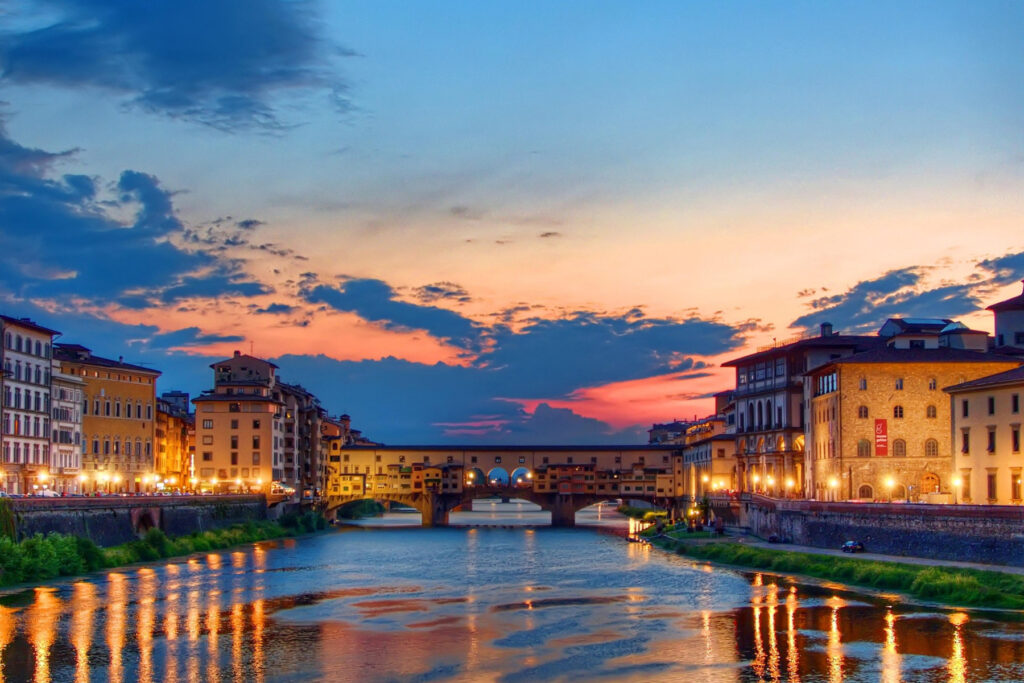
Ponte vecchio:
The only Florentine bridge to survive World War II, it’s a unique sight. The shops, which used to be for butchers, now shine with gold and silver jewelry. For the best picture, cross the river and look back from the Ponte Santa Trinita at sunset.
Piazzale michelangelo:
Every guidebook tells you to come here for the amazing view, and they’re right. It’s picture perfect. But for a more local experience, keep climbing uphill to the Basilica of San Miniato al Monte. This Romanesque church is quieter, more peaceful, and offers just as stunning a backdrop for the evening.
A culinary journey: Eating your way through Florence
Florentine food is strong, simple, and full of flavor. Forget small portions; here, you eat with big appetite.
The sacred steak: Bistecca alla fiorentina
This is a must try. A large, T bone steak from a special breed of cow, grilled over embers, seasoned with just salt, pepper, and a little olive oil. It’s served medium rare, with a charred outside and red, juicy inside. It’s meant to be shared. Don’t ask for it cooked through; it’s not done that way.

The hunt for the perfect panino
For a quick, tasty, and cheap lunch, follow the students to All’Antico Vinaio. The line is long, but it moves fast. You’ll get a glass of wine while waiting, then a huge, overflowing sandwich for a few euros. It’s a favorite spot
Mercato centrale: A food hall paradise
The ground floor is a traditional market with butchers, cheese sellers, and colorful fruits and veggies. Head upstairs to the modern food hall, where Italian street food is celebrated. You can try everything from fresh pasta and pizza to truffle sandwiches and sweet treats all under one big glass and metal roof
Gelato: The real deal
Not all gelato is the same. Avoid the bright, artificially fluffed ones. Look for places where the gelato is kept in flat, metal tins and has naturally muted colors. My favorites are Gelateria dei Neri and La Carraia. A cup of pistachio and crema is a little slice of heaven.
Escaping the crowds: Florence’s secret soul
If the tourist crowds get too much, Florence offers quiet retreats.
The oltrarno:
Cross the river to the “other side.” This neighborhood is more bohemian, filled with artisan workshops (botteghe), antique shops, and quieter cafes.
Boboli gardens:
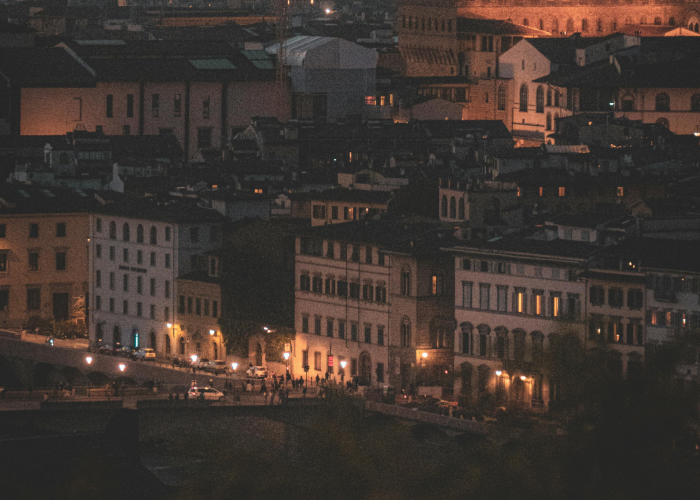
Behind the Pitti Palace, these sprawling, elegant gardens are a world away from the city’s noise. It’s a place to wander among fountains, sculptures, and hidden grottos, with beautiful views back over the city.

Santo spirito:
The square in front of the Basilica of Santo Spirito is a local hangout. By day, it has a small market; by night, it’s filled with people drinking spritzes at outdoor tables. It’s the perfect place to feel the pulse of local life.

Beyond the city walls: Day trips into Tuscany
Florence is the perfect base for exploring Tuscany.
Chianti:
Just a short bus or car ride away, you’re in the rolling hills of the Chianti wine region. Rent a car for a day or join a tour to visit vineyards, taste world class wine, and have lunch at a rustic farmhouse
Siena:
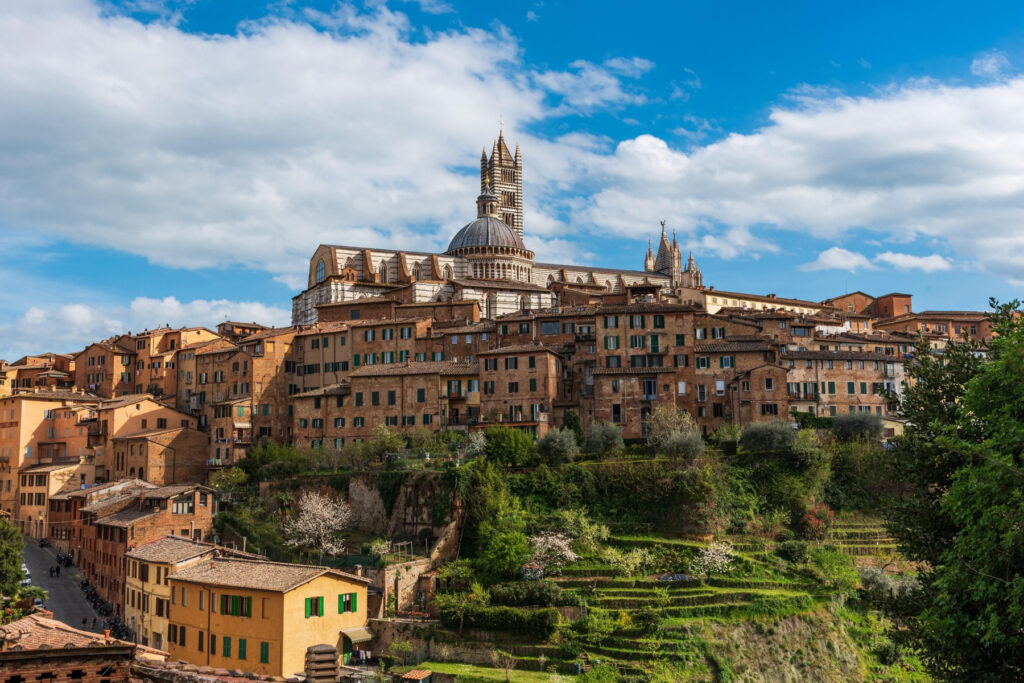
A rival to Florence in beauty and history, Siena’s medieval center, shell-shaped Piazza del Campo, and stunning black and white striped cathedral are unmissable.
San gimignano:
The “Medieval Manhattan,” with its famous stone towers piercing the sky, is a fairy tale town that feels frozen in time.
The practical stuff: Making it happen
- When to go: Spring (April-June) and Fall (September to October) offer the best weather and smaller crowds. August is fiercely hot and crowded.
- Getting around: Floence is a wonderfully walkable city. You will see everything on foot.
- Staying: Choose a central location within the historic center to maximize your time.
Florence doesn’t just show you history; it lets you live it for a little while. It’s a city that gets under your skin and stays there, calling you back long after you’ve returned home. It’s not a question of if you’ll return, but when. So, book that ticket, pack your walking shoes, and prepare to fall in love. Your Renaissance is waiting
7 Responses