
Let’s be honest. When you think about an Italian trip, your mind probably goes straight to the romantic canals of Venice, the art filled streets of Florence, or the ancient ruins of Rome. Genoa? It’s often just seen as a stop for cruise ships or a busy industrial city. But if you skip it, you’re missing out on one of the biggest travel mistakes. Genoa is Italy’s best-kept secret, a city with a rough, real feel that rewards those who take the time to explore. It’s not out to impress tourists it’s just going about its daily life, and it’s inviting you to join in on its rich, deep history. Forget what you think you know. This is your complete guide to discovering the real Genoa.
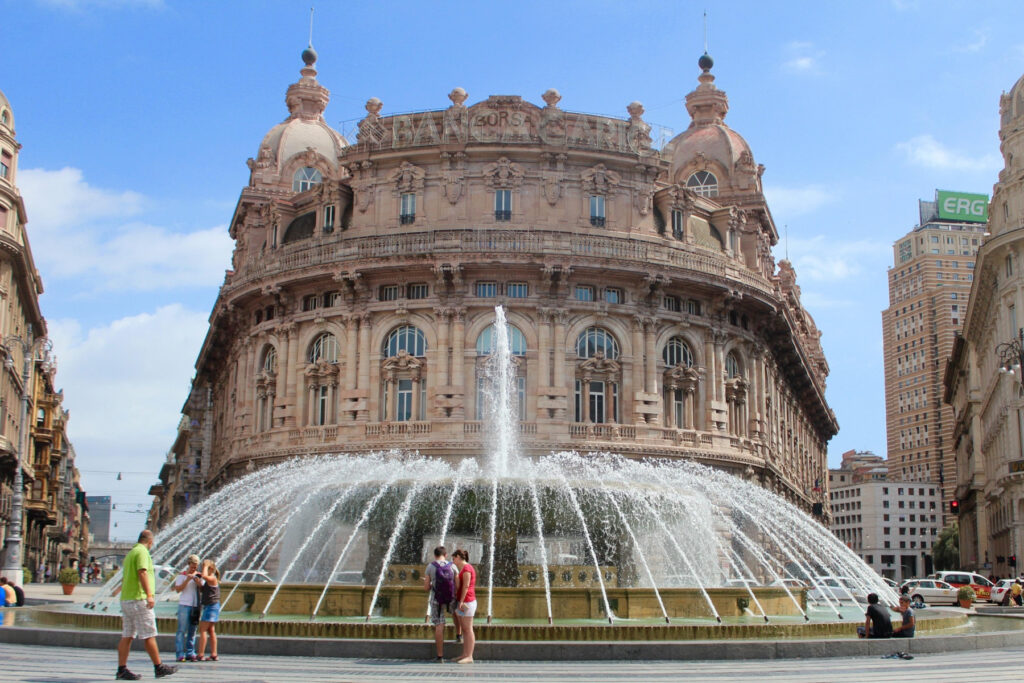
Why Genoa should be on your italian itinerary
Genoa is on the Ligurian coast and was once a powerful maritime republic, competing with Venice and Pisa. That golden age, called “La Superba,” left behind grand old buildings, a maze like old town, and a culture steeped in sea history. Today, it’s a bustling, active city where big architecture lives alongside a gritty charm. The smell of the sea mixes with the aroma of fresh basil and the scent of freshly baked focaccia. It’s also the perfect starting point for exploring the Italian Riviera, making it a smart and unforgettable stop.
Getting lost on purpose: The heart of Genoa’s old town
Your first mission in Genoa should be to leave your map behind in the Caruggi those narrow, winding alleys that make up one of Europe’s largest medieval city centers. This isn’t a pretty, staged historic area. It’s a living, breathing place. Laundry flutters between old buildings, hidden squares like the beautiful Piazza San Matteo pop up out of nowhere, and the sounds of family life come from open windows.
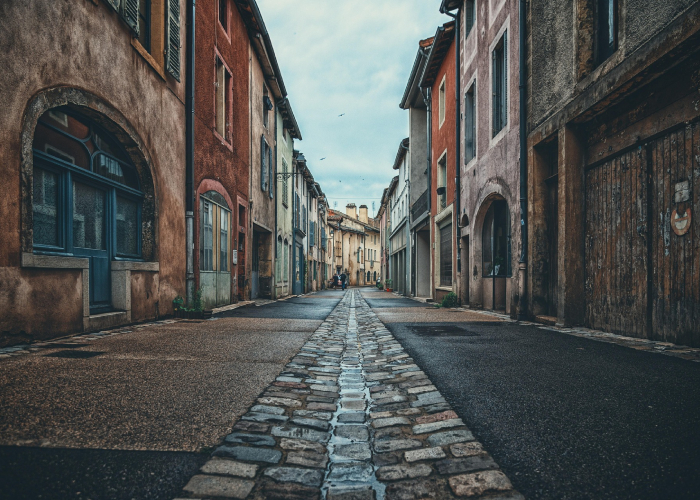
Piazza De Ferrari:
Start at Piazza De Ferrari, the city’s modern heart, with its famous bronze fountain. It’s a perfect contrast to the older, medieval part of the city you’re about to explore.
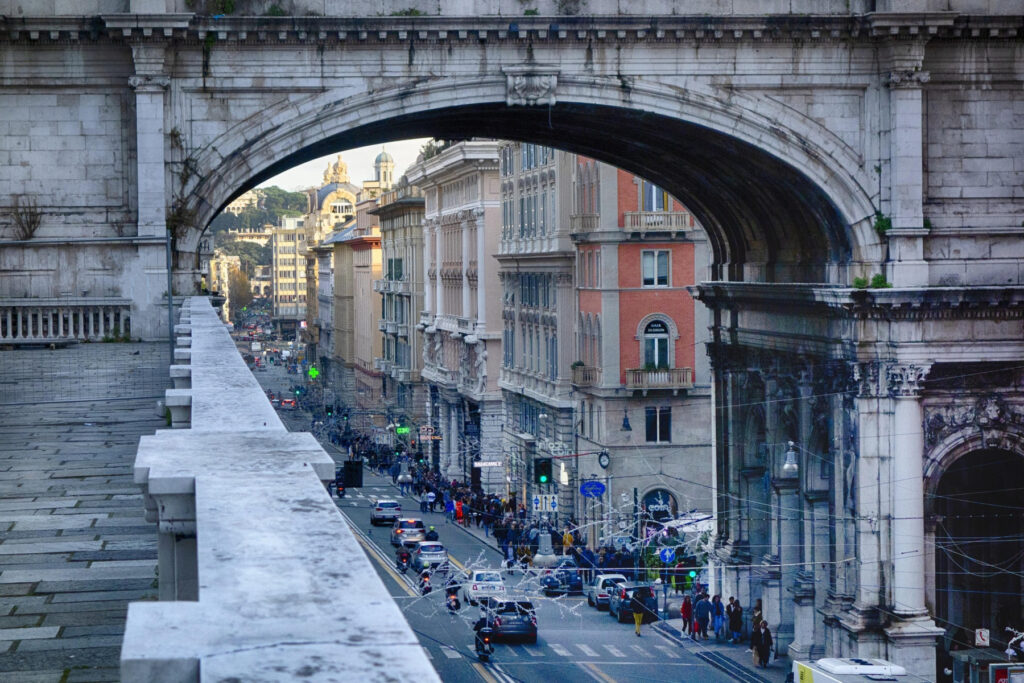
Via Garibaldi:
Then walk down Via Garibaldi, stepping from the dark alleys into this breathtaking street, a UNESCO World Heritage site. Don’t just walk past the houses enter the Palazzi dei Rolli. These were once homes of the rich and powerful, like Palazzo Rosso and Palazzo Bianco. Now they’re museums packed with art, showing off the luxurious lives of Genoa’s past elite.
Must See attractions: Beyond the Alleys
Although getting lost is part of the adventure, there are some sights you can’t miss.
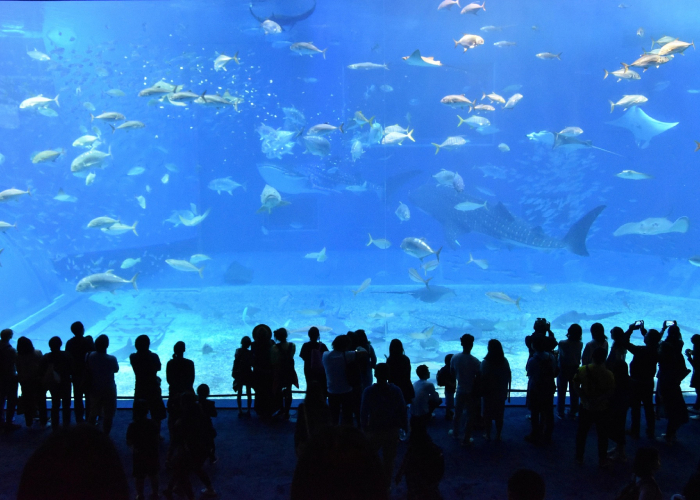
The aquarium of Genoa (Acquario di Genova):
Yes, it’s popular and for good reason. It was designed by architect Renzo Piano and is one of the largest and most impressive aquariums in Europe. The biodome, a recent addition, is an amazing journey through a tropical environment. It’s a fantastic activity for families or anyone who loves marine life.
The port & the bigo:
The old port has been beautifully restored. Take the Bigo, a panoramic elevator, for amazing 360 degree views of the city and the sea. You won’t get this view anywhere else.
Genoa cathedral (Cattedrale di San Lorenzo):
This colorful Romanesque Gothic cathedral is a key landmark. Take a moment to look at its front and step inside to see its beautiful chapels and the museum, which houses what is said to be the Holy Chalice.
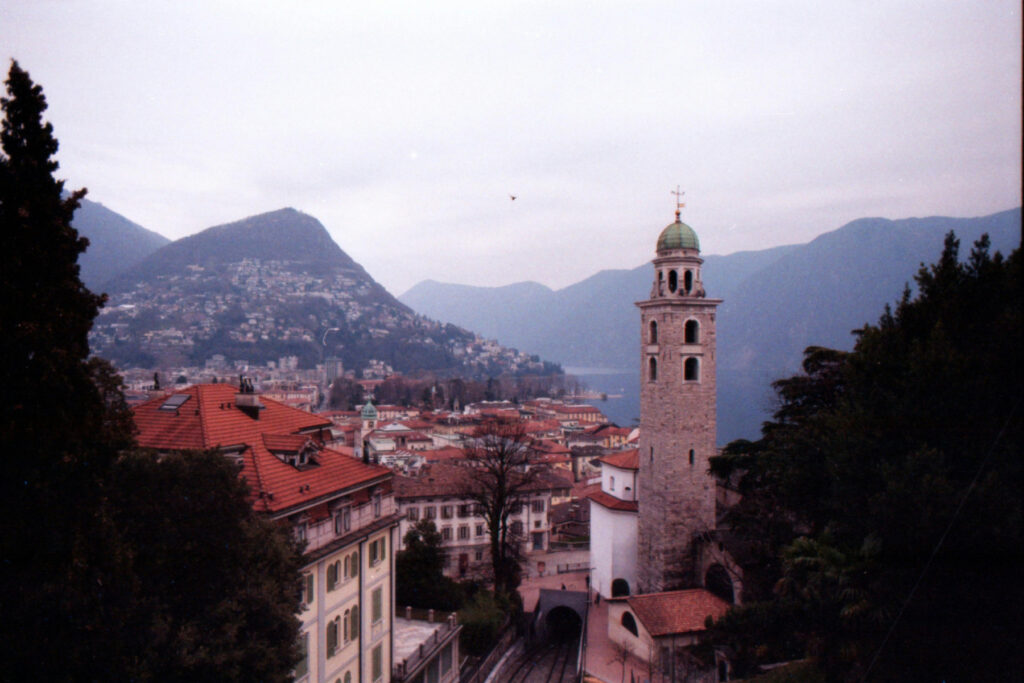
A food lover’s journey: You haven’t lived until you’ve eaten here
Ligurian cuisine shines brightly, with Genoa as its capital.
Pesto alla Genovese:
This is where pesto was born. To truly experience pesto, you must try it here, made with fresh local basil, olive oil, and cheese. Each swirl of the sauce perfectly complements the twisted pasta.
Focaccia:
Genoese focaccia is famous. It’s soft, oily, and salty, often enjoyed as a breakfast item or a quick snack from a focacceria.
Street food:
Look out for farinata, a gluten free chickpea pancake cooked in a wood-fired oven. It’s simple, affordable, and delicious.
Where to eat:
Avoid the tourist spots in the main squares. Instead, explore the side streets for a trattoria where the menu is handwritten and tables are shared. The area around Via San Vincenzo is a great starting point.
The perfect base: Day trips to the italian riviera
Genoa’s central location on the Ligurian coast makes it deal for unforgettable day trips.
Cinque terre:
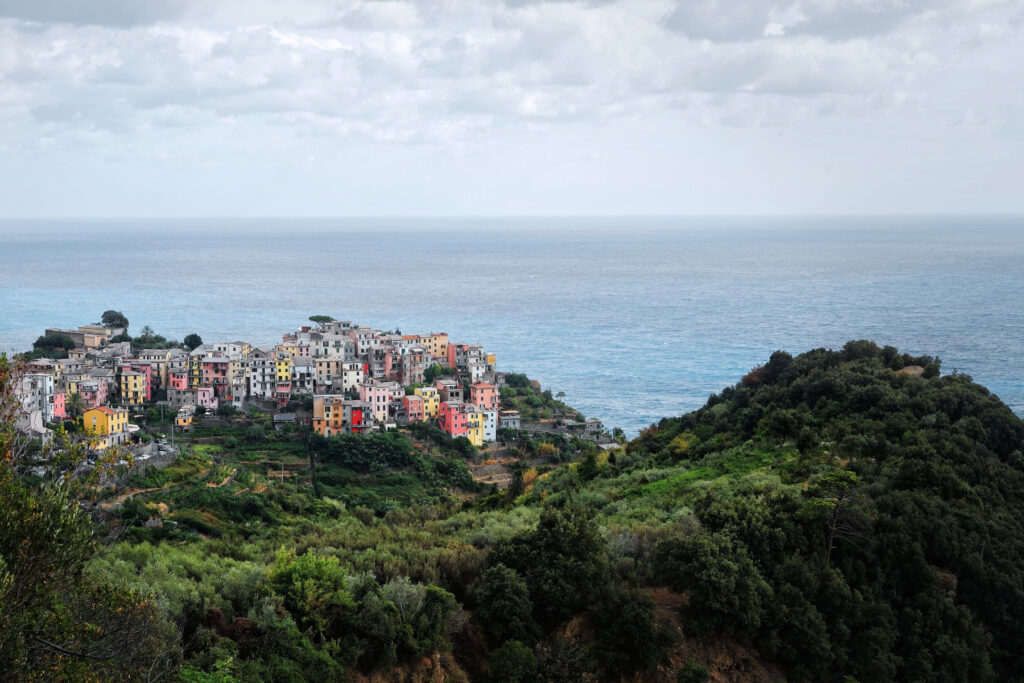
These five vividly colored villages are easily reached by train. A day trip from Genoa lets you hike through scenic trails, swim in coves, and visit villages like Manarola and Vernazza without the need to change accommodations.
Portofino & Santa margherita ligure:
Catch a bus or boat to Santa Margherita Ligure, then a short bus ride or scenic walk leads you to the charming harbor of Portofino. While Portofino is glamorous, Santa Margherita offers a more laid back and budget friendly vibe.
Camogli:
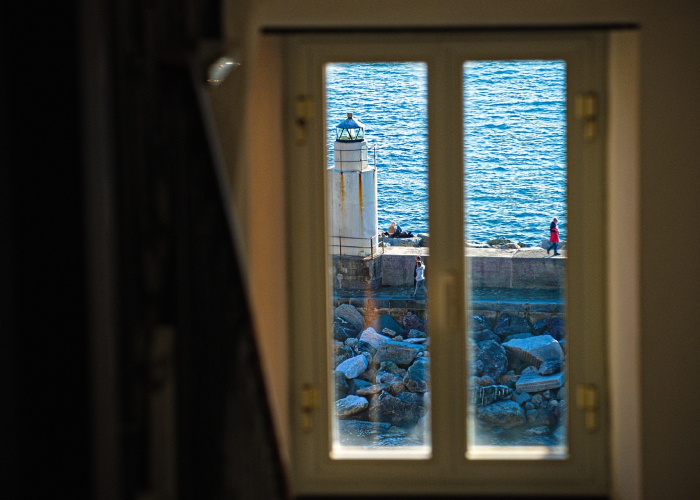
Don’t miss this beautiful fishing village with its colorful houses lining the shoreline. It’s less crowded than its famous neighbors and very enchanting.
Practical tips for your Genoa adventure
Where to stay:
First timers should consider staying near the Old Town or the port area for easy access to attractions and train stations. For a quieter, more residential feel, the Genoa Nervi district, with its beautiful seaside promenade, is a lovely option
Getting around:
Genoa is very walkable. The old town’s alleys are best explored on foot. For longer distances, a compact and efficient metro system and buses
are available.
How long to stay:
To truly appreciate Genoa, allocate at least two full days. Add another two to three days if you plan to explore the Cinque Terre and the Portofino peninsula.
The unforgettable Genoa
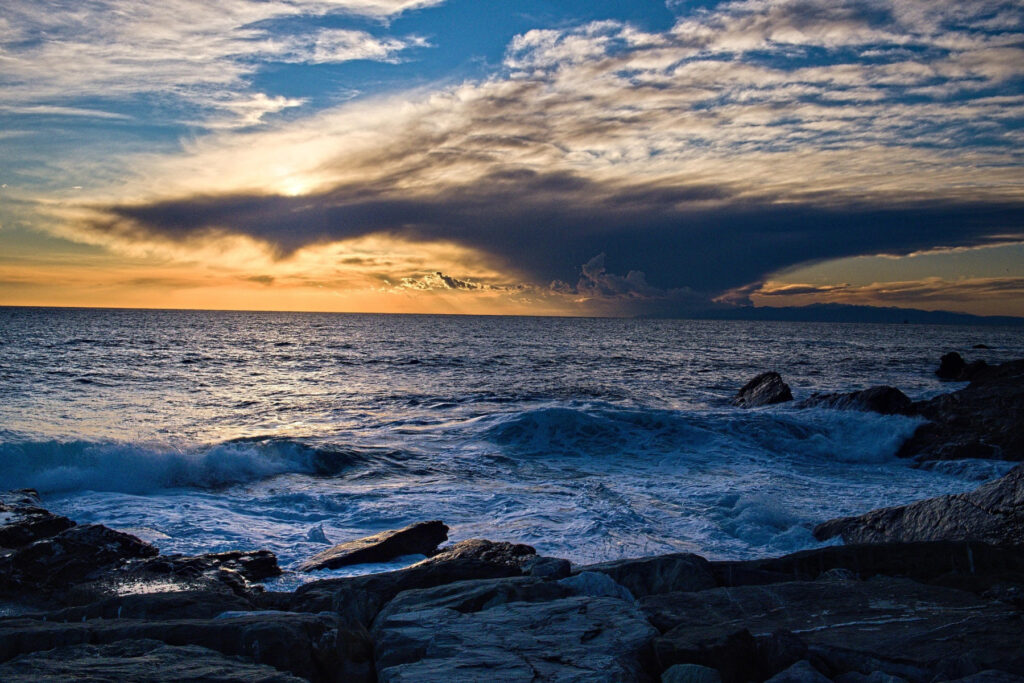
Genoa doesn’t boast its beauty loudly. It whispers it in the cool shade of its ancient alleys, in the vibrant green of its pesto, and in the salty breeze from the Ligurian Sea. It’s a city that invites you to look closer, to wander without a destination, and to connect with an Italy that’s raw, real, and incredibly rewarding. So, on your next trip to Italy, be bold. Give Genoa the time it deserves. You’ll leave with memories of not just the sights you saw, but of a city you truly felt, and you’ll understand exactly why it earned its historic name: La Superba.
4 Responses